There are two ways to be fooled. One is to believe what isn’t true; the other is to refuse to believe what is true. —Soren Kierkegaard. "…truth is true even if nobody believes it, and falsehood is false even if everybody believes it. That is why truth does not yield to opinion, fashion, numbers, office, or sincerity–it is simply true and that is the end of it" – Os Guinness, Time for Truth, pg.39. “He that takes truth for his guide, and duty for his end, may safely trust to God’s providence to lead him aright.” – Blaise Pascal. "There is but one straight course, and that is to seek truth and pursue it steadily" – George Washington letter to Edmund Randolph — 1795. We live in a “post-truth” world. According to the dictionary, “post-truth” means, “relating to or denoting circumstances in which objective facts are less influential in shaping public opinion than appeals to emotion and personal belief.” Simply put, we now live in a culture that seems to value experience and emotion more than truth. Truth will never go away no matter how hard one might wish. Going beyond the MSM idealogical opinion/bias and their low information tabloid reality show news with a distractional superficial focus on entertainment, sensationalism, emotionalism and activist reporting – this blogs goal is to, in some small way, put a plug in the broken dam of truth and save as many as possible from the consequences—temporal and eternal. "The further a society drifts from truth, the more it will hate those who speak it." – George Orwell “There are two ways to be fooled. One is to believe what isn’t true; the other is to refuse to believe what is true.” ― Soren Kierkegaard
O that I may stand mature and fully assured in all the will of God. Colossians 4:12(ESV)
Oh that my ways may be steadfast in keeping your statutes! Then I shall not be put to shame, having my eyes fixed on all your commandments. Psalm 119:5-6(ESV)
Teach me, O LORD, the way of your statutes; and I will keep it to the end. Give me understanding, that I may keep your law and observe it with my whole heart. Lead me in the path of your commandments, for I delight in it. Incline my heart to your testimonies, and not to selfish gain! Psalm 119:33-36(ESV)
Grant me, I pray, according to the riches of your glory, that I may be strengthened with all power through your Spirit in my inner being, so that Christ may dwell in my heart through faith; and that being rooted and grounded in love, I may have strength to comprehend with all the saints what is the breadth and length and height and depth, and may know the love of Christ that surpasses knowledge, and be filled with a divine fullness, Ephesians 3:16-20(ESV) and may partake of a divine nature. 2 Peter 1:4(ESV)
And let the love of Christ control me to live not for myself, but for him who for my sake died and was raised. 2 Corinthians 5:14-15(ESV)
Nehemiah 13:1-31 In this week’s studies, we look at Nehemiah’s final reforms when he returned to Jerusalem and served as the governor a second time.
Theme
Last Reforms
After dealing with the erring Eliashib and Tobiah, Nehemiah moved with the same determination to right the other wrongs he discovered. These wrongs correspond to the items promised by the people in chapter 10. Nehemiah’s actions in dealing with them constitute his final reforms.
1. The tithe (vv. 10-11). Nehemiah learned that the tithes for the temple service had not been paid and that the Levites and singers responsible for the temple worship had therefore left Jerusalem and gone back to their own fields to earn a living. Probably there was a connection between this problem and the earlier one. If Eliashib the high priest was acting in an unprincipled manner, the people had probably begun to lose confidence in the priestly establishment and it is understandable that the tithes would be neglected. On the other hand, the tithe obligation remained for the people regardless of the spiritual quality of the leadership; the tithe was a biblical command. It is probably true that the people were just neglecting this responsibility.
Nehemiah dealt with this problem through the proper officials, since the responsibility for collecting the tithe was theirs. He rebuked them, reinstated the Levites in their position and re-established the system for collecting tithes.
2. Other provisions for the temple (vv. 12-13). Additional provisions for the temple had also suffered, no doubt for the same reasons as the neglect of the tithe. Nehemiah moved to correct this abuse too. He dismissed the old custodians, who would have been in tight with Eliashib, and installed Shelemiah, Zadok, Pedaiah and Hanan in their places “because these men were considered trustworthy” (v. 13). The mention of Zadok as “the scribe” may be important. There could have been any number of scribes, of course. But since he is called “the scribe” and since no one but Ezra has been called “the scribe” before this, it is reasonable to assume either that Ezra was no longer in the city (perhaps he had returned to Babylon) or was too old to officiate (he had been in Jerusalem even longer than Nehemiah) or had died.
3. The Sabbath (vv. 15-22). The longest single section of Nehemiah 13 deals with the desecration of the Sabbath. Like a trickle through a dike, commercial activity on the Sabbath had probably begun slowly—in the countryside with the farmers harvesting grain and treading grapes. But it had grown steadily stronger. Having harvested their grain and made their wine, the farmers next brought these to the city to be sold—again on the Sabbath. And following quickly on their heels were traders from Tyre, who had fish and “all kinds of merchandise” for the markets.
Nehemiah did four things that were typical of his leadership style. First, he rebuked the nobles who were responsible for the city’s life, warning them that it was for such abuses that the judgment of God had come on the people years before. It was characteristic of Nehemiah to work through those who were officially in charge.
Second, he locked the gates on the Sabbath, placing some of his own men over them. This was a practical device by an eminently practical man. If the gates could not be opened, it was certain that no merchandise would flow into the city through them.
Third, when the merchants (probably the merchants from Tyre) camped outside Jerusalem hoping for a change in the Sabbath regulations or perhaps looking for a way to get around them, Nehemiah threatened them with forceful action if they did not move on. He did not want temptation even to be hanging around the perimeter of the Jewish city.
Finally, Nehemiah instructed the Levites to purify themselves and then take over the task of guarding the city gates on the Sabbath. He wanted this to be their responsibility, and he knew that he and his men would not always be around to do it for them.
After telling what he did to restore the Sabbath, Nehemiah appeals to God in the second of four similar prayers in this chapter: “Remember me for this also, O my God, and show mercy to me according to your great love” (v. 22).
Study Questions
How did Nehemiah deal with the people’s neglect of the tithe and making other provisions for the temple?
What problem did Nehemiah encounter regarding the Sabbath? What four things did he do in response?
Application
Application: Do you tithe sacrificially and joyfully? Do you honor the Lord by how you spend your Sabbath days, both in terms of what you do and what you refrain from doing?
Dr. Ryan Swale is pastor of Immanuel URC in Jordan, Ontario, and a graduate of Reformed Presbyterian Theological Seminary who wrote his dissertation on “The Imprecatory Pastor: A Practical Theology of the Imprecatory Psalms.”
As we remember the beginning of the Protestant Reformation this week, I was struck in preaching through Psalm 62 recently at how fitting a psalm it is for this time of year. In the Hebrew, six of the twelve verses begin with the word ’ak, meaning “alone” or “only” (vv. 1, 2, 4, 5, 6, and 9). This led Spurgeon to call it the “only psalm.” Not that it’s the only psalm in the Psalter, but its distinguishing feature is its emphasis on God alone, or only. Spurgeon said of David’s emphasis on placing his faith in God alone, “That faith alone is true which rests on God alone,” and “that confidence which relies but partly on the Lord is vain confidence.” God calls us to trust not partly in him, but entirely.
Psalm 62 gives us a wonderful reminder of that Reformation truth of FAITH ALONE. David is able to wait in silence on God in the opening verses because he looks to him entirely. He calls God his rock and salvation, and his fortress, and says that because he looks to God alone, he will not be greatly shaken.
David is writing this in the midst of the attacks of his enemies. But as we broaden this to think also of our enemies of “the devil, the world, and our own sinful flesh,” isn’t striking to consider how, when we fail to look to God alone, we are greatly shaken? Article 24 of the Belgic Confession makes this point: that when we look, for instance, to our works to justify us, we are always in doubt, tossed back and forth and without any certainty, and our poor consciences are constantly tormented. That is to say, if we don’t look to Christ alone, we are greatly shaken. And so, David models for us how to do this.
However, he also understands the temptations that we face to look elsewhere. Although in verses 1 and 2, he looks to God alone for his salvation, in verse 5 we see him preaching to himself, “For God alone, O my soul, wait in silence.” And verse 6, “He only [the same word as alone] is my rock and my salvation.” Though David understood this at the beginning of the psalm, he still has to remind himself to believe it.
Calvin says,
Creatures of such instability, and liable to be borne away by a thousand different influences, we need to be confirmed again and again. I repeat, that there is no reason to be surprised [that] David here calls upon himself a second time to preserve that silence before God which he might already appear to have attained; for, amidst the disturbing motions of the flesh, perfect composure is what we never reach.
Calvin understood the need to remind ourselves each day of the truths we believed yesterday. He understood (as did David) the need to preach the truths of the gospel to our doubting souls. Lloyd-Jones said most of our unhappiness in life is due to the fact that we are listening to ourselves instead of speaking to ourselves. He said, “The main art in the matter of spiritual living is to know how to handle yourself. You have to take yourself in hand, you have to address yourself, preach to yourself, question yourself.” That’s what we see David here doing: preaching to himself that God alone is his salvation.
And yet, David also preaches to us. Starting in verse 8, he now addresses the people of God and calls us to trust in God also. In fact, he holds up God as our salvation over and against man in verse 9: “Those of low estate are but a breath; those of high estate are a delusion; in the balances they go up; they are together lighter than a breath.” He is not disparaging man himself, but man as a source of salvation.Indeed, salvation can be found in God alone! Not in money either (v. 10), but salvation comes at a price that God alone can pay (cf. Psalm 49:7-9). And indeed, he will, in giving his own Son. David is preaching to us that salvation cannot be found through human achievement, but only by divine grace.
Throughout this psalm, he has proclaimed to himself, and to us, that salvation is by grace alone, and through faith alone. From a New Testament perspective, we understand that it is by Christ alone. And all of this, to the glory of God alone; for when we forsake all merit and trust in him alone, he receives all glory.
But then, at the end of the psalm, David grounds all of this in the Reformation principle of Scripture alone: “Once God has spoken; twice I have heard this: that power belongs to God, and that to you, O Lord, belongs steadfast love” (vv. 11-12b).
Douglas Webster says, “The undeniable fact that God has spoken definitively, not once, but twice, explains why David uses the particle ’ak six times in this psalm…. The psalmist insists on asserting every truth in this psalm earnestly, not because he is dogmatic, but because God has spoken. Everything said in this psalm rests on the unambiguous revelation of God,” who has revealed himself as the rock to whom power belongs, and the God of grace to whom steadfast love belongs (vv. 11-12).
Augustine said almost all of Scripture is summed up in those last two verses, where God’s power means that he is able to save, and his steadfast love means that he is willing. Verses 11 and 12 summarize the message of the Bible, and the heart of the Reformation, grounded in the unambiguous revelation of God himself. Indeed, this “only psalm” summarizes the Solas of the Reformation.
But just to say a word about that last line in verse 12: it’s not all of a sudden undermining everything this psalm has said about faith alone when it says God will render to a man according to his work. It’s not as if David now hopes to be justified by his works or to merit salvation. But here, David the King, who has suffered the attacks of his enemies, is reminding us (and reminding himself) that God will make restitution for all that his enemies have done, and will bring to judgment every sin that is not blotted out by the steadfast love and power of God in Christ. He is again grounding us in the gospel and calling all who are outside of Christ to hide under the shadow of his wings. If you would be judged not according to your own works but according to Christ’s, then you must hide yourself in him! That is the gospel according to Psalm 62. May we revel in it, and may we call others to believe it. Soli Deo Gloria!
The Sermon on the Mount is Jesus’ foundational ethical and spiritual lesson. It’s his first major speech after his baptism and temptation in the wilderness, and it includes some of the most-quoted passages in the gospels — if not the entire Bible. It’s also one of the longest speeches he gives in any gospel and comprises all of Matthew 5-7.
In the Sermon on the Mount, Jesus lays out a comprehensive overview of his message to his followers: who is blessed by God; how to apply the Law and Jesus’ relation to it; and how to get into the kingdom of heaven. It also includes the Lord’s Prayer — recited daily by Christians around the world — and the Golden Rule.
This article will walk through each section of the Sermon on the Mount, summarizing and explaining Jesus’ teachings and how we might apply them today. We’ll also discuss its context and background, comparing it with other related passages in the Bible.
The Beatitudes (Matt. 5:1-12)
The first part of the Sermon on the Mount is known as the Beatitudes, derived from a Latin word meaning “state of blessedness.” It’s where Jesus begins to lay out his vision of what is sometimes called his “upside-down kingdom,” a countercultural vision where the wisdom of the world is turned upside down.
Here are the people who Jesus says are blessed:
The “poor in spirit” (sometimes understood to mean “humble” but it more precisely means someone who completely relies on God, even when they have nothing)
Those who are “persecuted for the sake of righteousness”
He then closes by saying you will be blessed when people insult, persecute, and testify falsely against you.
It’s easy to overlook the power of these statements. In ancient times, being “blessed” wasn’t only a spiritual state of being favored or loved by God, as we often understand it today. To be blessed also meant to be utterly happy. Even in English, “bless” and “bliss” come from the same word. (To get a better sense of how this would sound to a contemporary audience, try reading Matt. 5:1-12 in the CEB or GNT version.)
How can Jesus say that those who mourn and are persecuted are happy?
In Jesus’ upside-down kingdom — the kingdom of heaven — “the last will be first, and the first will be last.” (Mt. 20:16). These people can rest assured that their “reward is great in heaven” (Mt. 5:12).
This section also begins to lay out Jesus’ upside-down ethical teaching. Those who hope to “be called children of God” (Mt. 5:9) must start by being meek, merciful, peaceful, and pure in heart.
Salt and Light (Matt. 5:13-16)
Next, Jesus uses two metaphors to describe his followers: “you are the salt of the earth” and “the light of the world.”
What does he mean by these?
Salt in Jesus’ time (as in our own) was used both for flavor and as a preservative. If it becomes impure — loses its “saltiness” — it’s no longer useful for either. Jesus seems to be saying that those who disregard his countercultural teachings and live by the ways of the world will lose their saltiness.
Light, similarly, is only useful when you can see it. Jesus calls on his disciples to let their “good deeds” be seen.
But wait! Later in his sermon, Jesus will give severe criticism to “hypocrites” who make a big show of their faith. So watch out — while it’s good to let people see your transformed life in Christ, be careful that you’re not doing it to win praise and admiration, but rather to “glorify your Father in heaven” (Mt. 5:16).
How Jesus Fulfills the Law (Matt. 5:17-48)
The longest section of the Sermon on the Mount has to do with Jesus’ relationship to the Law given to Moses on Mount Sinai. The Law, also known as the Mosaic Covenant, is laid out in the first five books of the Bible, especially in Leviticus and Deuteronomy, and was the primary way the Israelites organized their lives until the arrival of Jesus. (The Ten Commandments are a summary of the Law, but there are 613 commandments in all.)
Jesus must have known this would be a major question for his followers, so he addresses it head-on, saying “Do not think that I have come to abolish the Law or the Prophets; I have not come to abolish them but to fulfill them. For truly I tell you, until heaven and earth disappear, not the smallest letter, not the least stroke of a pen, will by any means disappear from the Law until everything is accomplished” (Matt. 5:17-18, NIV).
He goes on to say that not only should his followers continue to uphold the Law, but their righteousness must surpass the teachers of the Law.
How?
Jesus provides several examples for how we should apply the Law, using the following formula: “You have heard that it was said” the exact wording of the Law … “but I say to you” what you should actually do.
Jesus’ Fulfillment of the Law in the Sermon on the Mount
Don’t resist an evildoer; give whatever people ask and more (Mt. 5:39-42)
Love your neighbor (Lv. 19:18) and hate your enemy
Love your enemies and pray for your persecutors (Mt. 5:44)
As you can see, Jesus’ interpretation of the Law is more stringent than the traditional interpretation — not to prove that you’re better than other people but to love them better. He will summarize this message further in the Golden Rule, near the end of his sermon.
The Lord’s Prayer and Avoiding Hypocrisy (Matt. 6:1-18)
Jesus clarifies that his earlier instructions about being righteous aren’t about showing off your righteousness. If you practice your faith only to be seen and complimented, it isn’t worth anything (Matt. 6:1).
He provides a few examples:
Give to the poor anonymously — not ostentatiously
Pray quietly to yourself, alone — not loudly in public
Forgive people so that God will forgive you — if you don’t forgive people, God won’t forgive you
When you fast, don’t make it obvious — keep your appearance normal
The most detailed example he gives is prayer.
The Lord’s Prayer
These verses, known as the Lord’s Prayer, are perhaps the most famous, most memorized, and most recited passage in the entire Bible:
Our Father which art in heaven, Hallowed be thy name. Thy kingdom come, Thy will be done in earth, as it is in heaven. Give us this day our daily bread. And forgive us our debts, as we forgive our debtors. And lead us not into temptation, but deliver us from evil: For thine is the kingdom, and the power, and the glory, for ever. Amen. — Matthew 6:9-13 (KJV)
Millions of Christians across a wide variety of denominations pray some version of this prayer every single day.
It also forms the center of the entire Sermon on the Mount. Unlike today’s literature, which typically climaxes at the end, ancient literature was often structured so that the center of a particular work would be its primary theme or climax. This is called a “chiasm,” and it’s how a lot of the Bible is structured.
Living Into the Kingdom: General Advice (Matt. 6:19-7:6)
From there, Jesus expands into more general advice about what it means to live into God’s kingdom. These instructions provide additional clarification and examples of some of his earlier statements and central themes:
Don’t focus too much on earthly treasures but on the treasures that await you in heaven. “You cannot serve both God and money” (Matt. 6:24, NIV).
Indeed, don’t even worry about what you will eat, drink, or wear. “Your heavenly Father knows that you need all these things. But seek first the kingdom of God and his righteousness, and all these things will be given to you as well” (Matt. 6:32-33, NRSVue).
“Don’t judge, so that you won’t be judged. You’ll receive the same judgment you give” (Matt. 7:1-2, CEB).
Who Will Enter the Kingdom of Heaven? (Matt. 7:7-29)
Having provided his ethical instruction at length, Jesus gets more specific about how to secure a place for yourself in the kingdom of heaven. In some ways, this section is the hardest to understand. Jesus uses a lot of metaphors to illustrate his points, which make them easier to visualize — but also open up mysteries that Christians continue to debate today.
Jesus first insists that anyone who seeks the kingdom of God in good faith will find it: “Ask, and it will be given to you; seek, and you will find; knock, and it will be opened to you” (Matt. 7:7, NKJV). This “ask, seek, and knock” is usually interpreted as engaging God in prayer.
But Jesus immediately follows up this welcoming news with what has become known as the Golden Rule, a summary not only of his own teaching but of all the scriptures: “In everything, do to others what you would have them do to you, for this sums up the Law and the Prophets” (Matt. 7:12, NRSVue). He also says that the “narrow is the gate and difficult is the way which leads to life” (Matt. 7:14, NKJV).
So everyone who asks enters, but the way is difficult?
There are many ways to interpret this. But in the complete context of the Sermon on the Mount — including the section on prayer — I believe Jesus is saying that living a righteous life is a critical part of asking, seeking, and knocking. Prayer is important, but it must be authentic, sincere, and accompanied by “a healthy commitment to live for the benefit of others,” as Michael J. Wilkins writes in the NIV Application Bible.
In fact, Jesus drives this message home right afterwards, in warning against false prophets and false disciples:
You will know true prophets not by their words but by their “good fruits” (Matt. 7:16-17)
“Not everyone who says to me, ‘Lord, Lord,’ will enter the kingdom of heaven, but only the one who does the will of my Father who is in heaven” (Matt. 7:21, NIV).
Finally, Jesus the carpenter provides a closing image: those who put his words into action are like someone who builds a house on solid rock, while those who do not put them into action are like someone who builds their house on shifting sand, which washes away in the wind and rain.
What Is the Sermon on the Plain?
Careful Bible readers often notice that Luke 6 contains a sermon very similar to the Sermon on the Mount, though much shorter. This section (Luke 6:20-49) is known as the Sermon on the Plain, because Luke says it was delivered “on a level place” (Luke 6:17) after Jesus had come down from the mountain on which he had chosen his twelve apostles.
This also indicates that the timing of the two sermons is slightly different. In Matthew, the Sermon on the Mount is given before he has finished calling his disciples (including Matthew himself, see Matt. 9:9) and before some of his famous healings (e.g., Matt. 8:1-4, 9:1-8). In Luke, the disciples have all been called (Matthew, whom Luke calls Levi, in 5:27-28) and those healings have already taken place (Luke 5:12-26).
Sermon on the Mount vs. Sermon on the Plain: Content Comparison
The Sermon on the Plain follows the same pattern as the Sermon on the Mount. Though it’s much shorter than Matthew’s version, many of the parts Luke leaves out are included elsewhere in his gospel.
See the CEB Study Bible for a more detailed comparison table.
The only part of the Sermon on the Plain that does not appear in the Sermon on the Mount are the anti-beatitudes or “woes” (Luke 6:24-26). The woes invert the formula of the beatitudes, with Jesus warning his listeners not to get too comfortable.
There are four anti-beatitudes in Luke:
Woe to the rich
Woe to the well-fed
Woe to those who laugh now
Woe to you when people speak well of you
Jesus uses these “woes” to reiterate his message that, in his upside-down kingdom, the marginalized and downtrodden get the first seat at the table.
Why Are the Sermon on the Mount and Sermon on the Plain Different?
Scholars have proposed many reasons for the discrepancies between the time, place, and content of the sermons in Matthew and Luke, but two stand out.
First, neither Matthew nor Luke saw themselves as primarily reporting a chronological biographical account. They were both telling the same story, but with different emphases. By placing the Sermon on the Mount at the beginning of Jesus’ ministry, Matthew immediately establishes Jesus’ relationship to the Law for his Jewish readers. For Luke, writing to more of a gentile audience, Jesus’ declaration of good news to the poor (Lk. 4:16-21), spiritual authority (4:31-37), and healing power (4:38-40) instead take center stage.
On the other hand, I find it very likely that Jesus preached many versions of the Sermon on the Mount many times throughout his ministry — at least once in each region he visited. I know many pastors who have reworked and reused their sermons, and I see no reason why Jesus wouldn’t have done likewise. It’s not as if he had a podcast link he could pass around!
Old Testament Quotes and References in the Sermon on the Mount
Jesus states plainly in the Sermon on the Mount that he has come not to abolish the Law but to fulfill it. Another way he demonstrates this is his knowledge and expertise of the Hebrew scriptures, or Old Testament.
Throughout the gospels, Jesus quotes from the Old Testament constantly — and alludes to it even more. In the Sermon on the Mount, Jesus directly quotes the Old Testament 9 times. Allusions are harder to count, but much of his imagery, such as salt and light, derives from the Old Testament as well.
Here is a list of each of Jesus’ Old Testament quotations in the Sermon on the Mount, with links to read them alongside each other:
(Note: there are a few translations, such as the CSB and CEB, that call these quotes out directly using footnotes. The NASB uses small-caps to do the same, but unfortunately doesn’t provide verse references.)
Conclusion: Build Your House on Rock
Now that you know about the Sermon on the Mount, what are the next steps? First, if you haven’t read it in full, I strongly recommend doing that now. If you’re new to Bible reading, it’s a great place to start — in fact, it was instrumental in my own decision to follow Jesus, many years ago. If you aren’t new to reading the Bible, well, read it again! Write it on your heart.
If you want to go deeper, you can try out Bible Gateway Plus for free and get access to tons of great Bible study resources to learn more about the history, cultural background, theology, and more of the Sermon on the Mount (and the rest of the Bible). It’s a great value, and it’s where I did some of my research for this post.
Finally, there’s nothing I can say better than what our Lord said: put it into practice!
Tomorrow is Reformation Day! Here are two great movies to show at your Reformation Day party or church fellowship. Or, just snuggle up on the couch and enjoy!
And He was saying to them all, “If anyone wishes to come after Me, he must deny himself, and take up his cross daily and follow Me. (9:23)
The good news Jesus preached is the truth that God offers forgiveness of all sin and the gift of eternal life to those who genuinely follow Him in faith. It calls for the total abandonment of self; as Paul wrote to the Galatians, “I have been crucified with Christ; and it is no longer I who live, but Christ lives in me; and the life which I now live in the flesh I live by faith in the Son of God, who loved me and gave Himself up for me” (Gal. 2:20). That message is radically different than the “easy-believism” that is rampant in the church today. The Bible speaks of becoming a Christian as difficult. In Matthew 7:13–14 the Lord used the analogy of two gates to depict the choice facing every individual. The first is a wide gate, which is easy to enter. It opens into a broad, easily traversed path. That easy way, however, leads to eternal destruction (v. 13). The other gate is small and constricted, and the path it opens into is narrow and difficult. Yet that difficult way is the only one that leads to eternal life (v. 14). Later “someone said to Him, ‘Lord, are there just a few who are being saved?’ ” (Luke 13:23). Christ’s reply reinforced the point He had made earlier in Matthew 7: “Strive to enter through the narrow door; for many, I tell you, will seek to enter and will not be able” (v. 24). In Matthew 11:12 Jesus again stated the difficulty of entering the kingdom, noting that “from the days of John the Baptist until now the kingdom of heaven suffers violence, and violent men take it by force” (cf. Luke 16:16), while Peter asked rhetorically, “If it is with difficulty that the righteous is saved, what will become of the godless man and the sinner?” (1 Peter 4:18). “You will seek Me and find Me,” God declared, only “when you search for Me with all your heart” (Jer. 29:13). Sinners struggle mightily to come to true self-rejection, hatred of sin, and submission to Christ. And such a struggle ending in salvation is nothing less than energized by the power of the Holy Spirit operating in the sovereign purpose of God. What makes the narrow gate so difficult to get through is the necessity for self-denial. Rejecting the Lord’s call for him to forsake all and follow Him, the rich young ruler, as noted above, “was saddened, and he went away grieving, for he was one who owned much property” (Mark 10:22). Refusing Christ’s call for extreme and absolute commitment to Him, “many of His disciples withdrew and were not walking with Him anymore” (John 6:66). Because of the necessity for self-denial, Jesus challenged His would-be followers to consider what it might cost them to come to Him:
For which one of you, when he wants to build a tower, does not first sit down and calculate the cost to see if he has enough to complete it? Otherwise, when he has laid a foundation and is not able to finish, all who observe it begin to ridicule him, saying, “This man began to build and was not able to finish.” Or what king, when he sets out to meet another king in battle, will not first sit down and consider whether he is strong enough with ten thousand men to encounter the one coming against him with twenty thousand? Or else, while the other is still far away, he sends a delegation and asks for terms of peace. (Luke 14:28–32)
Then He applied the illustrations to His hearers: “So then, none of you can be My disciple who does not give up all his own possessions” (v. 33). The Lord was not, of course, teaching that salvation comes by impoverishing oneself. The self-denial in view is not merely of material things, but of anything that merits salvation (Rom. 7:18) or is more important to a person than God. His point is that coming to Him involves full submission to His lordship and willingness to abandon whatever He asks for His purpose. That is the point of the parables of the treasure hidden in the field, and the pearl of great price in which the treasure and the pearl were only acquired when the man sold everything (Matt. 13:44–46). The sinner is to understand the priceless value of eternal life and eagerly be rid of anything that would be a barrier to that everlasting joy. As noted, the gospel is so contrary to fallen mankind’s self-love, selfishness, and stubborn self-will that no one can come to faith in Christ apart from the convicting and regenerating work of the Spirit. The unregenerate, being dead in their sins, live lives totally controlled by personal desire driven by the lusts of the flesh (Eph. 2:1–3). By nature, they love the darkness of sin and hate the light of the truth (John 3:19–20), and are blinded by Satan so they cannot see that light (2 Cor. 4:4). Only when the Spirit convicts unbelievers of sin (John 16:8–11), draws them to Christ (John 6:44, 65) and gives them life (John 3:3–7) can salvation take place. Having “summoned the crowd with His disciples” (Mark 8:34), Jesus began giving to them all this important teaching on genuine discipleship. A true commitment to Christ involves self-denial, cross bearing, and obedience.
SELF-DENIAL
he must deny himself, (9:23a)
Arneomai (deny himself) is a strong term, used to describe Peter’s vehement denials that he knew Jesus (Matt. 26:70, 72), reprobates who permanently deny Christ (Luke 12:9; Titus 1:16; 1 John 2:22–23; Jude 4), and John the Baptist’s insistence that he was not the messiah (John 1:20). It can even be translated “disowned,” as it is in reference to Israel’s rejection of Jesus (Acts 3:13–14; cf. 7:35). To be a follower of Jesus Christ is to disown one’s natural, depraved, sinful self. It is to give up all dependence on and confidence in oneself and one’s works to save. No one had more impressive religious credentials than the apostle Paul. According to his own testimony, he was “circumcised the eighth day, of the nation of Israel, of the tribe of Benjamin, a Hebrew of Hebrews; as to the Law, a Pharisee; as to zeal, a persecutor of the church; as to the righteousness which is in the Law, found blameless” (Phil. 3:5–6). On trial before Herod, Paul testified that he had “lived as a Pharisee according to the strictest sect of our religion” (Acts 26:5). Looking back on his career before his salvation, Paul wrote, “I was advancing in Judaism beyond many of my contemporaries among my countrymen, being more extremely zealous for my ancestral traditions” (Gal. 1:14). Yet when he met Christ on the road to Damascus, all of the zealous Pharisee’s religious accomplishments became meaningless to him:
For I know that nothing good dwells in me, that is, in my flesh; for the willing is present in me, but the doing of the good is not. (Rom. 7:18)
But whatever things were gain to me, those things I have counted as loss for the sake of Christ. More than that, I count all things to be loss in view of the surpassing value of knowing Christ Jesus my Lord, for whom I have suffered the loss of all things, and count them but rubbish so that I may gain Christ. (Phil. 3:7–8)
It is a trustworthy statement, deserving full acceptance, that Christ Jesus came into the world to save sinners, among whom I am foremost of all. (1 Tim. 1:15)
Paul exemplified the “poor in spirit” (Matt. 5:3), who acknowledge themselves to be destitute, impoverished, and spiritually bankrupt. Like the tax collector, they mourn over their sin and cry out, “God, be merciful to me, the sinner!” (Luke 18:13). Like Paul, those who came face-to-face with God are overwhelmed with a sense of their own sinfulness. After God rebuked him, Job replied, “I despise myself, and repent in dust and ashes” (Job 42:6 ESV). Having seen the Angel of the Lord (the preincarnate Christ), Manoah, the father of Samson, exclaimed, “We will surely die, for we have seen God” (Judg. 13:22). When he saw a vision of God’s glory in the temple, Isaiah, shattered by his sinfulness, cried out, “Woe is me, for I am ruined! Because I am a man of unclean lips, and I live among a people of unclean lips; for my eyes have seen the King, the Lord of hosts” (Isa. 6:5). After He miraculously created an enormous catch of fish for him and his partners, Peter “fell down at Jesus’ feet, saying, ‘Go away from me Lord, for I am a sinful man, O Lord!’ ” (Luke 5:8). It is against that dark backdrop of sin and helplessness that the magnanimity of God’s forgiving grace is manifested. Psalm 34:18 declares that “the Lord is near to the brokenhearted and saves those who are crushed in spirit.” In his great prayer of contrition and confession David said, “The sacrifices of God are a broken spirit; a broken and a contrite heart, O God, You will not despise” (Ps. 51:17). “But to this one I will look,” God declared, “to him who is humble and contrite of spirit, and who trembles at My word” (Isa. 66:2; cf. 57:15). The law provides no hope for natural sinners. It was not given as a standard or means by which anyone could achieve salvation (Rom. 3:20, 28; 8:3; Gal. 2:16; 3:11). On the contrary, it was given to show sinfulness, to reveal helplessness, expose man’s inability to gain salvation, and make clear the need for the Savior (Gal. 3:24). The law requires what is not possible—absolute, perfect obedience (Gal. 3:10; James 2:10) or God is angry, vengeful, and will punish the lawbreaker. In the Sermon on the Mount, Jesus attacked the Pharisaic religion, which was the most fastidious effort to keep the law. His message was designed to destroy their confidence in their superficial, hypocritical efforts at law keeping, and show how evil their hearts were (Matt. 5:17–48). The realization that they are unable to satisfy the demands of God’s law by their own efforts has always been what drives penitent sinners to the Lord (Isa. 55:6–7). Repentance is at the heart of the gospel message. Jesus came to call sinners to repentance (Luke 5:32), preached the necessity of repentance (18:13–14; Matt. 4:17; James 4:6–10), and commanded that His followers do the same (Luke 24:47). The New Testament uses three Greek words to describe repentance. Metanoeō (Matt. 3:2; Matt. 4:17; Luke 10:13; 15:7, 10) expresses the mental aspect of repentance. It involves a reversal of one’s thinking; a change of mind by which sinners see themselves as God sees them—fallen, depraved, and helpless to save themselves. Metamelomai (Matt. 21:29, 32) describes the emotional aspect of repentance, the regret and sorrow that a person’s change of mind about themselves produces. Finally, epistrephō (Luke 17:4; 22:32; Acts 3:19; 9:35; 11:21; 2 Cor. 3:16) refers to the act of the will in changing one’s direction in life; turning from sin to God (1 Thess. 1:9). Intellectually, repentance entails a recognition of sin’s vileness. Emotionally, it produces an overwhelming sense of sorrow, remorse, and brokenness. Volitionally, the result is a change of direction in life away from sin to Christ. It must be noted that repentance is not a meritorious human work. Sinners who are dead in their sins (Eph. 2:1), spiritually blind (Luke 4:18; cf. 2 Cor. 4:4) and trapped in Satan’s domain of darkness (Col. 1:13) cannot repent of their own accord. Repentance comes when the Spirit of God uses the word of God to awaken sinners to their lost condition by convicting them of their sin (John 16:8–11). Acts 11:18 states that “God has granted to the Gentiles also the repentance that leads to life.” Paul affirmed the divine choice to give such repentance when he instructed Timothy to “with gentleness [correct] those who are in opposition, if perhaps God may grant them repentance leading to the knowledge of the truth, and they may come to their senses and escape from the snare of the devil, having been held captive by him to do his will” (2 Tim. 2:25–26). Sinners, then, are in no position to set the conditions by which they will come to Christ; they take Him on His terms, not theirs. The notable seventeenth-century English Puritan Thomas Watson described what it means to exhibit the self-denial that characterizes the poor in spirit:
The poor in spirit is content to take Christ upon his own terms. The proud sinner will article and indent with Christ. He will have Christ and his pleasure, Christ and his covetousness. But he that is poor in spirit sees himself lost without Christ, and he is willing to have him upon his own terms, a Prince as well as a Saviour: “Jesus my Lord” (Philippians 3:8). A castle that has long been besieged and is ready to be taken will deliver up on any terms to save their lives. He whose heart has been a garrison for the devil, and has held out long in opposition against Christ, when once God has brought him to poverty of spirit, and he sees himself damned without Christ, let God propound what articles he will, he will readily subscribe to them. “Lord, what wilt thou have me to do” (Acts 9:6). He that is poor in spirit will do anything that he may have Christ. He will behead his beloved sin. He will, with Peter, cast himself upon the water to come to Christ. (The Beatitudes [Reprint; Edinburgh: Banner of Truth, 1980], 47–48)
The following poem sums up in practical terms what self-denial means for a Christian:
When you are forgotten or neglected or purposely set at naught, and you don’t sting or hurt with the insult or the oversight, but your heart is happy, being counted worthy to suffer for Christ—that is dying to self.
When your good is evil spoken of, when your wishes are crossed, your advice disregarded or your opinions ridiculed, and you refuse to let anger rise in your heart or even to defend yourself, but take it all in patient, loving silence—that is dying to self.
When you lovingly, patiently bear any disorder and irregularity, any impunctuality or any annoyance—when you come face to face with waste, folly, extravagance, spiritual insensibility—and endure it as Jesus endured it—that is dying to self.
When you are content with any food, any offering, any raiment, any climate, any society, any solitude, any interruption by the will of God—that is dying to self.
When you never refer to yourself in conversation, or to record your own good works, or itch after commendation, when you can truly love to go unknown—that is dying to self.
When you can see your brother or sister have his or her needs met and can honestly rejoice in spirit and can feel no envy nor question God, while your own needs are far greater and in more desperate circumstances—that is dying to self.
When you can receive correction and reproof from one of less stature than yourself and can humbly submit inwardly as well as outwardly, finding no rebellion or resentment rising up within your heart—that is dying to self. (Bill Britton, “Dethrone the King: Dying to Self,” The Heartbeat of the Remnant, July/August, 2002, 19)
CROSS BEARING
and take up his cross daily (9:23b)
In contemporary jargon one’s cross has come to represent any difficult or unpleasant circumstance, no matter how trivial. Some argue that their job, boss, car, mother-in-law, or wayward teenager is their cross. Others view taking up their cross as identifying in some mystical sense with the crucifixion of Christ. That would not be a notion the followers of Jesus would have entertained, since though He had told them of His death, He had not yet told them He would be crucified. The Lord’s hearers would be under no such illusions. To them, a cross represented only one thing—horrible suffering, pain, and death. Crucifixion was a common method of execution used by the Romans, and it was an all too familiar sight in first-century Palestine. Thus when the Lord declared that anyone who would follow Him had to take up his cross daily they understood perfectly what He meant. In the most graphic terms possible, Jesus was calling for a willingness to endure hatred, hostility, rejection, reproach, persecution, shame, even the most horrible death; to say no to self and no to safety for His sake (cf. 1 Peter 4:16). A sacrifice small when compared to the gift of eternal life. Paul’s farewell speech to the elders of the church at Ephesus reflected the apostle’s willingness to suffer whatever was required of him for the cause of Christ:
And now, behold, bound in spirit, I am on my way to Jerusalem, not knowing what will happen to me there, except that the Holy Spirit solemnly testifies to me in every city, saying that bonds and afflictions await me. But I do not consider my life of any account as dear to myself, so that I may finish my course and the ministry which I received from the Lord Jesus, to testify solemnly of the gospel of the grace of God. (Acts 20:22–24)
A short while later Paul said to those concerned about his safety if he went to Jerusalem, “What are you doing, weeping and breaking my heart? For I am ready not only to be bound, but even to die at Jerusalem for the name of the Lord Jesus” (Acts 21:13). “I die daily,” he told the Corinthians (1 Cor. 15:31), expressing the reality that he lived constantly on the brink of death (cf. Acts 20:19; 2 Cor. 11:22–33). There is no crown without a cross. Eternal life is so precious that those who truly seek it are willing to give up everything to obtain it if the Lord wills and even suffer with joy (cf. 1 Peter 4:12–19). They can say with Paul, “Momentary, light affliction is producing for us an eternal weight of glory far beyond all comparison” (2 Cor. 4:17).
OBEDIENCE
and follow Me. (9:23c)
The present tense of the verb translated follow indicates that a continual pattern of obedience characterizes a true disciple of Jesus Christ. In the Sermon on the Mount, Jesus warned, “Not everyone who says to Me, ‘Lord, Lord,’ will enter the kingdom of heaven, but he who does the will of My Father who is in heaven will enter” (Matt. 7:21). In Luke 6:46 He asked the pointed question, “Why do you call Me, ‘Lord, Lord,’ and do not do what I say?” Speaking to the apostles in the upper room on the night before His death, Jesus emphasized that genuine saving faith will inevitably manifest itself in obedience:
If you love Me, you will keep My commandments. (John 14:15)
He who has My commandments and keeps them is the one who loves Me; and he who loves Me will be loved by My Father, and I will love him and will disclose Myself to him.… If anyone loves Me, he will keep My word; and My Father will love him, and We will come to him and make Our abode with him. He who does not love Me does not keep My words; and the word which you hear is not Mine, but the Father’s who sent Me. (John 14:21, 23–24)
If you keep My commandments, you will abide in My love; just as I have kept My Father’s commandments and abide in His love. (John 15:10)
You are My friends if you do what I command you. (John 15:14; cf. 1 John 2:5–6; 3:24; 5:3; 2 John 6)
As is the case with repentance (see the discussion above), self-denial, cross bearing, and obedience are not meritorious pre-salvation works that make a sinner acceptable to God. Nor are they chronological, sequential steps that lead to conversion, but rather the logical components of saving faith. Neither repentance nor saving faith can be produced under human power; they are components of the divine work wrought by the Spirit of God.
MacArthur, J. (2011). Luke 6–10 (pp. 268–276). Moody Publishers.
Then he said to all … As Mark 8:34 shows, at this point Jesus calls to himself the multitude, for the earnest exhortation which follows is of significance to all; in fact, is for all a matter of life or death, of everlasting life versus everlasting death. Hence, all—not only The Twelve—must hear what follows. Continued: If anyone wishes to come behind me, let him deny himself, take up his cross daily, and follow me. To “come behind” means to attach oneself to Jesus as his disciple. The figure is based on the fact that Christ’s “followers”—not only The Twelve but also many others—often accompanied the Master, and frequently literally came on behind him. What, then, must a person do in order to be considered a true disciple? Well, if he wishes to come behind me, says Jesus, then first, he must deny himself; that is, he must once and for all say No to his old self, the self as it is apart from regenerating grace. A person who denies himself gives up all reliance on whatever he is by nature, and depends for salvation on God alone. He turns away in dismay not only from whatever thoughts and habits are patently sinful but even from reliance on “religious”—for example Pharisaic—thought patterns that cannot be harmonized with trust in Christ. See 2 Cor. 10:5. He must be willing to say with Paul, “Such things that once were gains to me these have I counted loss for Christ.…” See Phil. 3:7–11. Secondly, he must take up his cross. The underlying figure is that of a condemned man who is forced to take up and carry his own cross to the place of execution. However, what the convict does under duress, the disciple of Christ does willingly. He voluntarily and decisively accepts the pain, shame, and persecution that is going to be his particular—note: his, not someone else’s—lot because of his loyalty to Christ and his cause. Luke has even retained Jesus’ insistence on making the taking up of one’s cross a daily assignment. Finally, he must begin to follow and must keep on following Jesus. Here following the Master means trusting him (John 3:16), walking in his footsteps (1 Peter 2:21), and obeying his commands (John 15:14) out of gratitude for salvation in him (Eph. 4:32–5:2). To summarize, verse 23 may be paraphrased as follows: “If anyone wishes to be counted as my adherent, he must once and for all say farewell to self, decisively accept pain, shame, and persecution for my sake and in my cause—day in, day out—and must then keep on following me as my disciple. He must subject himself to my discipline.” We must be careful not to conceive of this self-denial, etc., in a chronological fashion, as if the Lord were exhorting his hearers to practice self-denial for a while, then after a lapse of time to take up and carry the cross, and, once having shouldered that burden for another time period, to follow Jesus. The order is not chronological but logical. Together the three indicate true conversion, followed by lifelong sanctification. A second error to be guarded against is the notion that a person would be able in his own power to deny himself, take up his cross, and follow the Savior. Conversion (as well as the process of sanctification that follows it), though certainly a human responsibility, is impossible without regeneration (John 3:3, 5), which is the work of the Holy Spirit in man’s heart. Moreover, that Spirit does not leave man to his own resources once the latter has been reborn, but remains with him forever, enabling him to do what otherwise he would not be able to do. It is, nevertheless, human responsibility and activity upon which the emphasis falls here in verses 23 ff. In the next three verses (24–26) the obligation to be converted, etc., and the reward that results are brought into sharp contrast with the loss experienced by those who refuse to deny themselves, to take up their cross, and to follow Jesus. Each of the three verses begins with “For.” These “For” sentences or verses may therefore be considered as presenting, in a way, the basis for the urgent command of verse 23. What we have here is a phenomenon often occurring in Scripture and also in daily conversation, namely, abbreviated expression. Fully expressed, the meaning of verses 24–26 would be somewhat as follows, with implied words in parentheses: 24 (Let him not refuse) For whoever would save his life shall lose it, but whoever loses his life for my sake, he shall save it. 25 (Let him not follow the wrong course) For what good does it do a man to gain the whole world and yet lose or forfeit his life? 26 (Let him not refuse, therefore) For whoever is ashamed of me and my words, of him also shall the Son of man be ashamed when he comes in his glory and in that of the Father and of the holy angels.
Hendriksen, W., & Kistemaker, S. J. (1953–2001). Exposition of the Gospel According to Luke (Vol. 11, pp. 497–499). Baker Book House.
The Lord shall guide thee continually.Isaiah 58:11
What aileth thee? Hast thou lost thy way? Art thou entangled in a dark wood and canst thou not find thy paths? Stand still, and see the salvation of God. He knows the way, and He will direct thee in it if thou cry unto Him.
Every day brings its own perplexity. How sweet to feel that the guidance of the Lord is continual! If we choose our own way or consult with flesh and blood we cast ok the Lord’s guidance; but if we abstain from self-will, then He will direct every step of our road, every hour of the day, and every day of the year, and every year of our life. If we will but be guided, we shall be guided. If we will commit our way unto the Lord, He will direct our course so that we shall not lose ourselves.
But note to whom this promise is made. Read the previous verse: “If thou draw out thy soul to the hungry.” We must feel for others and give them, not a few dry crusts, but such things as we ourselves would wish to receive. If we show a tender care for our fellow-creatures in the hour of their need, then will the Lord attend to our necessities and make Himself our continual Guide. Jesus is the Leader, not of misers, nor of those who oppress the poor, but of the kind and tenderhearted. Such persons are pilgrims who shall never miss their way.
Jesus said I AM seven times. Satan said “I will” five times. There is a big difference between I AM and I will.
Jesus said,
“I am the bread of life. (John 6:35).
“I am the light of the world. (John 8:12).
“I am the door. (John 10:9).
“I am the good shepherd. (John 11:25).
“I am the way, the truth, and the life. (John 14:6).
“I am the true vine, and My Father is the vinedresser” (John 15:1).
In Isaiah 14:14-15 it is said of Lucifer,
How art thou fallen from heaven, O Lucifer, son of the morning! how art thou cut down to the ground, which didst weaken the nations! For thou hast said in thine heart,
I will ascend into heaven,
I will exalt my throne above the stars of God:
I will sit also upon the mount of the congregation, in the sides of the north:
I will ascend above the heights of the clouds;
I will be like the most High.
Yet thou shalt be brought down to hell, to the sides of the pit. (Isaiah 14:14-15)
Jesus declared himself I AM out loud, before many, Satan said quietly in his heart. Jesus declares the reality, Satan declares his individual desire. Jesus is eternally I AM, satan was created and generated ambition later.
Jesus was, and is, and is to come (Revelation 1:8) and what He purposes will come to pass (Isaiah 46:10. Satan WILL NEVER, EVER, EVER HAVE ANY OF HIS WISHES, HOPES, AMBITIONS, GOALS, OR PURPOSES ULTIMATELY COME TO PASS. (Revelation 20:10).
Jesus did it all, He paid it all, it is finished.
Friends, remember, satan is a defeated foe. He is active, but moot. He is around, but vanquished. Those of us in Christ are victorious through Christ’s eternal act of submission, crucifixion, and resurrection, His love, and His will.
The stakes are too high for us to build our lives on anything but the solid foundation of God’s Word. Today, R.C. Sproul teaches that if we want to ground our thinking and our habits in the truth, we must be diligent students of the Bible.
Americans tend to have a rosy estimation of human nature and ability. The Bible does not. The biblical language describing human nature after Adam’s fall into sin is vivid and pulls no punches. Jeremiah reminds us that we cannot change our skin color, just as the leopard cannot change its spots (Jer. 13:23). In John 6:44 and 6:65, Jesus informs His disciples that “no one can come to me unless the Father who sent me draws him.” In Matthew 7:18, Jesus gives an important reason that we cannot come to Him if left to our own devices: “A healthy tree cannot bear bad fruit, nor can a diseased tree bear good fruit,” a clear reference to fallen humanity.
The Apostle Paul echoes Jesus in many places. Paul bluntly describes humanity as dead in sin (Eph. 2:1; Col. 2:13). The Apostle recounts that after Adam’s fall, human nature requires restoration of true holiness, righteousness, and knowledge (Eph. 4:24; Col. 3:10). We have darkened understandings, and our thinking is clouded and distorted (Eph. 4:17–19)—the so-called noetic effects of sin. Elsewhere, Paul speaks of fallen human nature as hostile to God (Rom. 8:7–8), unable to understand the things of God (3:11; 1 Cor. 2:14), and unwilling to seek after God to save us from the guilt of our sin, seeing no need to be rescued (Rom. 3:12). This flies in the face of the view of human nature held by many of our contemporaries.
The doctrine of total inability—that fallen humanity is unable to come to faith in Jesus Christ apart from a prior and sovereign act of God—arises from the litany of biblical passages just cited, which teach that one of the chief consequences of human sin after the fall is that our wills are now in bondage to our sinful nature. The situation is so dire that we can do nothing to free ourselves from our predicament, any more than a dead person can will himself back to life. The biblical teaching is crystal clear about sinful human nature even if our neighbors are offended by it.
Because of the difficulties that the notion of free will presents, the deeper questions surrounding the matter often default to philosophical categories. “What is free will?” “Is it compatible with God’s sovereignty?” along with a host of related questions. The presuppositions of American politics also color how people understand human willing. Since we have the freedom to choose to elect those who rule over us, many mistakenly assume that the same is true when it comes to matters of salvation. A famous Christian tract reflects this confidence in the human will, claiming: “God has voted for you; the devil has voted against you. Your vote decides” whether you’ll spend eternity in heaven or hell.
Once our wills have been set free from bondage to sin, we live in the freedom purchased by Christ, now free to serve one another.
SHARE
But neither philosophical debate nor democratic presuppositions offer us much help in answering the questions raised by the biblical teaching to the effect that after Adam’s fall into sin, the human will is in bondage to our sinful nature and we cannot come to Christ unless and until God “frees” our will, so to speak, enabling us to trust in Jesus Christ.
This raises the question, “How then do those who are born in sin and with wills enslaved to the sinful nature come to faith in Jesus Christ?” Coaxing will not work; neither do enticements or incentives typical of evangelists—“God wants you healthy, happy, and prosperous.” But we cannot do what we cannot do. If the Scriptures are clear that the human nature (including our wills) is in bondage to our sinful desires, they are equally clear that only a sovereign and supernatural act of God can free our wills so that we are now willing and able to choose to come to faith in Christ.
In John 15:16, Jesus says plainly, “You did not choose me, but I chose you and appointed you that you should go and bear fruit.” Jesus explains that those who come to Him do not do so through an act of the human will but only through an act of God (John 1:12–13), drawing us to Himself (see 6:44, 65), granting us faith and its fruit, repentance. In John 3:3–8, Jesus explains this to Nicodemus, a Pharisee and member of the Sanhedrin, who secretly approaches Jesus at night.
Jesus answered him, “Truly, truly, I say to you, unless one is born again he cannot see the kingdom of God.” Nicodemus said to him, “How can a man be born when he is old? Can he enter a second time into his mother’s womb and be born?” Jesus answered, “Truly, truly, I say to you, unless one is born of water and the Spirit, he cannot enter the kingdom of God. That which is born of the flesh is flesh, and that which is born of the Spirit is spirit. Do not marvel that I said to you, ‘You must be born again.’ The wind blows where it wishes, and you hear its sound, but you do not know where it comes from or where it goes. So it is with everyone who is born of the Spirit.”
God’s act of granting us the new birth through the power of the Holy Spirit is prior to and required for us to even begin to comprehend the things of God, much less choose to trust in Christ for our salvation from the guilt and power of sin.
The Bible is clear that God must act on us while we are dead in sin, choosing us, sovereignly giving us the new birth (regeneration), thereby freeing our wills from the bondage of our sinful nature. God draws us to Jesus through the gospel (Rom. 10:17) and changes our nature from a bad tree that produces only rotten fruit into a good tree that bears the fruit of faith and repentance. God must liberate our wills from our bondage to sin so that the promise of Jesus is realized: “If the Son sets you free, you will be free indeed” (John 8:36).
Paul, too, addresses the matter in Romans 8:28–30, where he lays out the order in which the liberation of our wills takes place:
For those who love God all things work together for good, for those who are called according to his purpose. For those whom he foreknew he also predestined to be conformed to the image of his Son, in order that he might be the firstborn among many brothers. And those whom he predestined he also called, and those whom he called he also justified, and those whom he justified he also glorified.
In the so-called golden chain of salvation, Paul explains that God chooses us and continues the process through calling us to faith, then justifying us, and then bringing us to final glorification. Paul clarifies in Romans 9:16 that our salvation “depends not on human will or exertion, but on God, who has mercy.”
In Ephesians 2:1–10, Paul recounts how in Adam we were dead in sin and enslaved to sin, and so we “walked” according to the passions of our flesh. But God made us alive in Christ (v. 5) and grants us salvation by grace through faith (v. 8), so that we now freely walk in those good works that God prepared for us to do (v. 10). In this sovereign and gracious act of God, He brings us from death to life and frees us from our former bondage to sin so that we now desire to trust in Christ, follow Him as His disciples, and strive to do His will.
In his letter to the Galatians, Paul explains that “for freedom Christ has set us free; stand firm therefore, and do not submit again to a yoke of slavery” (Gal. 5:1). Since Christ has died for us, we have been set free from slavery to the sin that formerly held us captive. But freedom from bondage to sin also carries with it the necessity of choosing to live as those who have been freed from bondage to our sinful nature. Paul reminds us that this new freedom means that you “do not use your freedom as an opportunity for the flesh, but through love serve one another” (v. 13). Once our wills have been set free from bondage to sin, we live in the freedom purchased by Christ, now free to serve one another. Alive unto God through faith in Jesus, we will bear the fruit of the Spirit (5:22–24).
Before God restored to us freedom in Christ, sinful behavior (walking in sin) was the characteristic pattern of our lives. That was all we knew. After freedom is restored to us through a gracious act of a sovereign God (regeneration), we are made alive, we trust in Jesus Christ to save us from sin, we come to hate the darkness of our sinful ways, and we desire to walk in newness of life. In Jesus Christ, we are free, free indeed.
Dr. Kim Riddlebarger is visiting professor of systematic theology at Westminster Seminary California and pastor emeritus of Christ Reformed Church in Anaheim, Calif. He is author of several books, including A Case for Amillennialismand First Corinthians in the Lectio Continua series.
Mary welcomes back Pastor Claude to talk about the seasonal occultic holiday we have all come to know as Halloween. Should we or shouldn’t we participate, that’s an old debate but really, there are solid answers because the Bible doesn’t leave us in the dark about anything for life and godliness – and shining a light on the dark is what we are called to do. With that in mind, Pastor Claude takes the analogy of the hot stove to describe how easily and subtly we can get burned by dabbling in the occult – and Halloween is just that. Is it just a silly and harmless day to celebrate the occult (more like a month now)? If it is, what does God’s Word say about that? Objections might look like this: “I had a great time on Halloween as a kid. It’s fun and harmless”. So let’s say that’s true, that you had fun. We want that for our kids, as long as it doesn’t hurt them. But equating this day with “harmless” isn’t sound thinking and here’s why: by teaching our precious kids that dabbling in the occult is harmless at a young age, we leave them open later in life to entertain the notion that astrology, altered states, necromancy, ouija boards and any New Age practices are also harmless. If I think like the devil, I’m thrilled that parents have dropped their guard to give place to dark arts. What a sobering thought. Lots to think about as we raise our kids and grands with a biblical worldview that should protect and guard their hearts above all.
For whom He foreknew, He also predestined to become conformed to the image of His Son, that He might be the first-born among many brethren; and whom He predestined, these He also called; and whom He called, these He also justified; and whom He justified, these He also glorified. (8:29–30)
From the time of the early church, Christians have debated the possibility of a believer’s losing his salvation. Many bitter controversies have centered on that single issue. As already expressed numerous times in this volume, it is my strong contention that, despite the claims of many sincere believers to the contrary, Scripture is unambiguous in teaching that every person who is genuinely saved is eternally saved. We can never be in danger of losing the spiritual life given to us by God through Jesus Christ. Romans 8:29–30 is perhaps the clearest and most explicit presentation of that truth in all of God’s Word. In these two verses Paul reveals the unbroken pattern of God’s sovereign redemption, from His eternal foreknowledge of a believer’s salvation to its ultimate completion in glorification. For the sake of easier understanding, the first heading in this chapter will be taken out of textual order. Because the second half of verse 29 states the purpose of the five aspects of salvation that Paul mentions in these two verses, that phrase will be considered first.
THE PURPOSE OF SALVATION
to become conformed to the image of His Son, that He might be the first-born among many brethren; (8:29c–d)
Paul introduced the truths of the believer’s security and of God’s purpose of salvation in the previous verse, stating “God causes all things to work together for good to those who love God, to those who are called according to His purpose” (v. 28). God’s calling precedes and makes possible a person’s hearing and responding in faith to that divine call. The resulting salvation is made secure by the Lord’s causing everything in a believer’s life to work for his ultimate good. Conversely, it is impossible for any evil to cause a believer any ultimate harm. In the middle of verse 29, Paul states the twofold purpose of God’s bringing sinners to eternal salvation. The secondary purpose is stated first: to make believers into the likeness of His Son.
TO CONFORM BELIEVERS TO CHRIST
to become conformed to the image of His Son, (8:29c)
From before time began, God chose to save believers from their sins in order that they might become conformed to the image of His Son, Jesus Christ. Consequently, every true believer moves inexorably toward perfection in righteousness, as God makes for Himself a people recreated into the likeness of His own divine Son who will dwell and reign with Him in heaven throughout all eternity. God is redeeming for Himself an eternally holy and Christlike race, to be citizens in His divine kingdom and children in His divine family. For a believer to lose his salvation would be for God to fail in His divine purpose and to condemn to hell those whom He had sovereignly elected to redemption. It would be for God (who cannot lie) to break His covenant with Himself, made before the foundation of the earth. It would mean that the divine seal of the Holy Spirit, imprinted by the King of kings and Lord of lords upon each of His elect children, would be subject to violation and abrogation (see 2 Cor. 1:22; Eph. 1:13; 4:30). Leading up to the climactic truth that, without exception, God will complete the salvation of every sinner who is converted to Christ, Paul has already established that “there is therefore now no condemnation for those who are in Christ Jesus” (8:1), that God’s Holy Spirit indwells every believer (v. 9), that every believer is already, in this life, an adopted child of God (vv. 14–16), that those children are therefore “heirs of God and fellow heirs with Christ” (v. 17), and that “the Spirit also helps our weakness” and “intercedes for the saints according to the will of God” (Rom. 8:26–27). Building on the categorical declaration that no believer will again face God’s condemnation, the apostle progressively establishes that “no condemnation” inevitably eventuates in glorification. There is no failure or partial fulfillment in the sovereign operation of God’s salvation plan. Every believer who is saved will one day be glorified. There is absolutely no allowance for the possibility of a believer’s sinning himself out of God’s grace. He can no more work himself out of salvation than he could have worked himself into it. Nor is there any allowance for an intermediate state of limbo or purgatory, in which some Christians fall short of being fully conformed to the image of God’s Son and must, after death, somehow complete their salvation by their own works or have it completed by others on their behalf. Although the full truth of it is far too vast and magnificent even for a redeemed human mind to grasp, the New Testament gives us glimpses of what being conformed to the image of Christ will be like. First of all, we will be like Christ bodily. One day the Lord will “transform the body of our humble state into conformity with the body of His glory, by the exertion of the power that He has even to subject all things to Himself” (Phil. 3:21). As the term itself denotes, glorification (our ultimate conformity to Christ) will be God’s gracious adornment of His children with the very glory of His divine Son. The writer of Hebrews tells us that “in these last days [God] has spoken to us in His Son, whom He appointed heir of all things, through whom also He made the world. And He is the radiance of His glory and the exact representation of His nature, and upholds all things by the word of His power. When He had made purification of sins, He sat down at the fight hand of the Majesty on high” (Heb. 1:2–3). John assures us: “Beloved, now we are children of God, and it has not appeared as yet what we shall be. We know that, when He appears, we shall be like Him, because we shall see Him just as He is” (1 John 3:2). In the meanwhile, as long as we remain on earth, “we all, with unveiled face beholding as in a mirror the glory of the Lord, are being transformed into the same image from glory to glory, just as from the Lord, the Spirit” (2 Cor. 3:18). “For if we have become united with Him in the likeness of His death,” Paul has explained earlier in Romans, “certainly we shall be also in the likeness of His resurrection” (6:5). “Just as we have borne the image of the earthy, we shall also bear the image of the heavenly” (1 Cor. 15:49). All human beings share a common kind of physical body, but each person has his own distinctive looks and personality. In the same way, the redeemed in heaven will share a common kind of spiritual body but will be individually distinguished from one another. The Bible nowhere teaches the idea that individuality is destroyed at death and that the soul of the deceased becomes absorbed unidentifiably into some cosmic wholeness, or, worse yet, cosmic nothingness. Scripture is clear that, in eternity, both the saved and the damned will retain their individuality. The final resurrection will be of all human beings of all times, a resurrection of life for the righteous and a resurrection of death for the wicked (John 5:29; Acts 24:15). Second, and more importantly, although not becoming deity, we will be like Christ spiritually. Our incorruptible bodies will be infused with the very holiness of Christ, and we will be both outwardly and inwardly perfect, just as our Lord. The writer of Hebrews gives insight into God’s gracious plan of redeeming those who believe in His Son and of conforming them to His image when he writes:
We do see Him who has been made for a little while lower than the angels, namely, Jesus, because of the suffering of death crowned with glory and honor, that by the grace of God He might taste death for everyone. For it was fitting for Him, for whom are all things, and through whom are all things, in bringing many sons to glory, to perfect the author of their salvation through sufferings. For both He who sanctifies and those who are sanctified are all from one Father; for which reason He is not ashamed to call them brethren. (Heb. 2:9–11)
TO MAKE CHRIST PREEMINENT
that He might be the first-born among many brethren; (8:29d)
God’s supreme purpose for bringing sinners to salvation is to glorify His Son, Jesus Christ, by making Him preeminent in the divine plan of redemption. In the words of this text, it is God’s intent for Christ to be the first-born among many brethren. In Jewish culture the term first-born always referred to a son, unless a daughter was specifically stated. Because the first-born male child in a Jewish family had a privileged status, the term was often used figuratively to represent preeminence. In the present context that is clearly the meaning. As it is in almost every instance in the New Testament, the term brethren is a synonym for believers. God’s primary purpose in His plan of redemption was to make His beloved Son the first-born among many brethren in the sense of Christ’s being uniquely preeminent among the children of God. Those who trust in Him become God’s adopted children, and Jesus, the true Son of God, graciously deigns to call them His brothers and sisters in God’s divine family (Matt. 12:50; cf. John 15:15). God’s purpose is to make us like Christ in order to create a great redeemed and glorified humanity over which He will reign and be forever preeminent. In his letter to Philippi, Paul beautifully portrays God’s purpose of glorifying Christ: “God highly exalted Him, and bestowed on Him the name which is above every name, that at the name of Jesus every knee should bow, of those who are in heaven, and on earth, and under the earth” (Phil. 2:9–10). Our ultimate purpose as the redeemed children of God will be to spend eternity worshiping and giving praise to God’s beloved first-born, our preeminent Lord and Savior, Jesus Christ. To the Colossians, Paul further explains that Christ not only is presently the “head of the body, the church,” but is also “the beginning, the first-born from the dead; so that He Himself might come to have first place in everything” (Col. 1:18). God’s original purpose in creation was to make a people in His divine image who would give Him honor and glory by serving and obeying Him in all things. But when Adam and Eve rebelled, alienating themselves from God and bringing damnation upon themselves and all subsequent humanity, God had to provide a way of bringing fallen mankind back to Himself. Through Christ, He provided that way by placing the sins of all mankind upon His sinless Son, causing “the iniquity of us all to fall on Him” (Isa. 53:6). Those who trust in that gracious sacrifice on their behalf are saved from their sins and given God’s own glory. As the redeemed of God, conformed to the image of His Son, we will forever glorify Him with the glory He has given us. Like the twenty-four elders who fell down before Christ on His throne, we will cast our crowns of righteousness (2 Tim. 4:8), of life (James 1:12; Rev. 2:10), and of glory (1 Pet. 5:4) at our Savior’s feet, exclaiming, “Worthy art Thou, our Lord and our God, to receive glory and honor and power; for Thou didst create all things, and because of Thy will they existed, and were created” (Rev. 4:10–11). We thank the Lord for giving us salvation and the eternal life, peace, and joy that salvation brings. But our greatest thanks should be for the unspeakable privilege we have been given of glorifying Christ throughout all eternity.
THE PROGRESS OF SALVATION
For whom He foreknew, He also predestined … and whom He predestined, these He also called; and whom He called, these He also justified; and whom He justified, these He also glorified. (8:29a–b, 30)
In delineating the progress of God’s plan of salvation, Paul here briefly states what may be called its five major elements: foreknowledge, predestination, calling, justification, and glorification. It is essential to realize that these five links in the chain of God’s saving work are unbreakable. With the repetition of the connecting phrase He also, Paul accentuates that unity by linking each element to the previous one. No one whom God foreknows will fail to be predestined, called, justified, and glorified by Him. It is also significant to note the tense in which the apostle states each element of God’s saving work. Paul is speaking here of the Lord’s redemptive work from eternity past to eternity future. What he says is true of all believers of all times. Security in Christ is so absolute and unalterable that even the salvation of believers not yet born can be expressed in the past tense, as if it had already occurred. Because God is not bound by time as we are, there is a sense in which the elements not only are sequential but simultaneous. Thus, from His view they are distinct and in another sense are indistinguishable. God has made each of them an indispensable part of the unity of our salvation.
FOREKNOWLEDGE
For whom He foreknew, (8:29a)
Redemption began with God’s foreknowledge. A believer is first of all someone whom He [God] foreknew. Salvation is not initiated by a person’s decision to receive Jesus Christ as Lord and Savior. Scripture is clear that repentant faith is essential to salvation and is the first step that we take in response to God, but repentant faith does not initiate salvation. Because Paul is here depicting the plan of salvation from God’s perspective, faith is not even mentioned in these two verses. In His omniscience God is certainly able to look to the end of history and beyond and to know in advance the minutest detail of the most insignificant occurrences. But it is both unbiblical and illogical to argue from that truth that the Lord simply looked ahead to see who would believe and then chose those particular individuals for salvation. If that were true, salvation not only would begin with man’s faith but would make God obligated to grant it. In such a scheme, God’s initiative would be eliminated and His grace would be vitiated. That idea also prompts such questions as, “Why then does God create unbelievers if He knows in advance they are going to reject Him?” and “Why doesn’t He create only believers?” Another unanswerable question would be, “If God based salvation on His advance knowledge of those who would believe, where did their saving faith come from?” It could not arise from their fallen natures, because the natural, sinful person is at enmity with God (Rom. 5:10; 8:7; Eph. 2:3; Col. 1:21). There is absolutely nothing in man’s carnal nature to prompt him to trust in the God against whom he is rebelling. The unsaved person is blind and dead to the things of God. He has absolutely no source of saving faith within himself. “A natural man does not accept the things of the Spirit of God,” Paul declares; “for they are foolishness to him, and he cannot understand them, because they are spiritually appraised” (1 Cor. 2:14). “The god of this world has blinded the minds of the unbelieving, that they might not see the light of the gospel of the glory of Christ, who is the image of God” (2 Cor. 4:4). The full truth about God’s omniscience cannot be comprehended even by believers. No matter how much we may love God and study His Word, we cannot fathom such mysteries. We can only believe what the Bible clearly says—that God does indeed foresee the faith of every person who is saved. We also believe God’s revelation that, although men cannot be saved apart from the faithful action of their wills, saving faith, just as every other part of salvation, originates with and is empowered by God alone. While He was preaching in Galilee early in His ministry, Jesus said, “All that the Father gives Me shall come to Me, and the one who comes to Me I will certainly not cast out” (John 6:37). But lest that statement be interpreted as leaving open the possibility of coming to Him apart from the Father’s sending, Jesus later declared categorically that “No one can come to Me, unless the Father who sent Me draws him” (v. 44). New life through the blood of Christ does not come from “the will of the flesh, nor of the will of man, but of God” (John 1:13). Paul also explains that even faith does not originate with the believer but with God. “For by grace you have been saved through faith; and that not of yourselves, it is the gift of God; not as a result of works, that no one should boast” (Eph. 2:8–9). God’s foreknowledge is not a reference to His omniscient foresight but to His foreordination. He not only sees faith in advance but ordains it in advance. Peter had the same reality in mind when he wrote of Christians as those “who are chosen according to the foreknowledge of God the Father” (1 Pet. 1:1–2). Peter used the same word “foreknowledge” when he wrote that Christ “was foreknown before the foundation of the world” (1 Pet. 1:20). The term means the same thing in both places. Believers were foreknown in the same way Christ was foreknown. That cannot mean foreseen, but must refer to a predetermined choice by God. It is the knowing of predetermined intimate relationship, as when God said to Jeremiah, “Before I formed you in the womb I knew you” (Jer. 1:5). Jesus spoke of the same kind of knowing when He said, “I am the good shepherd; and I know My own” (John 10:14). Because saving faith is foreordained by God, it would have to be that the way of salvation was foreordained, as indeed it was. During his sermon at Pentecost, Peter declared of Christ: “This Man, delivered up by the predetermined plan and foreknowledge of God, you nailed to a cross by the hands of godless men and put Him to death” (Acts 2:23). “Predetermined” is from horizō, from which we get the English horizon, which designates the outer limits of the earth that we can see from a given vantage point. The basic idea of the Greek term refers to the setting of any boundaries or limits. “Plan” is from boulē, a term used in classical Greek to designate an officially convened, decision-making counsel. Both words include the idea of willful intention. “Foreknowledge” is from the noun form of the verb translated foreknew in our text. According to what Greek scholars refer to as Granville Sharp’s rule, if two nouns of the same case (in this instance, “plan” and “foreknowledge”) are connected by kai (“and”) and have the definite article (the) before the first noun but not before the second, the nouns refer to the same thing (H. E. Dana and Julius R. Mantey, A Manual Grammar of the Greek New Testament [New York: Macmillan, 1927], p. 147). In other words, Peter equates God’s predetermined plan, or foreordination, and His foreknowledge. In addition to the idea of foreordination, the term foreknowledge also connotes forelove. God has a predetermined divine love for those He plans to save. Foreknew is from proginōskō, a compound word with meaning beyond that of simply knowing beforehand. In Scripture, “to know” often carries the idea of special intimacy and is frequently used of a love relationship. In the statement “Cain had relations with his wife and she conceived” (Gen. 4:17), the word behind “had relations with” is the normal Hebrew verb for knowing. It is the same word translated “chosen” in Amos 3:2, where the Lord says to Israel, “You only have I chosen among all the families of the earth.” God “knew” Israel in the unique sense of having predetermined that she would be His chosen people. In Matthew’s account of Jesus’ birth, “kept her a virgin” (NASB) translates a Greek phrase meaning literally, “did not know her” (Matt. 1:25). Jesus used the same word when He warned, “Then I will declare to them, ‘I never knew you; depart from Me, you who practice lawlessness’ ” (Matt. 7:23). He was not saying that He had never heard of those unbelievers but that He had no intimate relationship with them as their Savior and Lord. But of believers, Paul says, “The Lord knows those who are His” (2 Tim. 2:19).
PREDESTINATION
He also predestined (8:29b)
From foreknowledge, which looks at the beginning of God’s purpose in His act of choosing, God’s plan of redemption moves to His predestination, which looks at the end of God’s purpose in His act of choosing. Proorizō (predestined) means literally to mark out, appoint, or determine beforehand. The Lord has predetermined the destiny of every person who will believe in Him. Just as Jesus was crucified “by the predetermined plan and foreknowledge of God” (Acts 2:23), so God also has predestined every believer to salvation through the means of that atoning sacrifice. In their prayer of gratitude for the deliverance of Peter and John, a group of believers in Jerusalem praised God for His sovereign power, declaring, “For truly in this city there were gathered together against Thy holy servant Jesus, whom Thou didst anoint, both Herod and Pontius Pilate, along with the Gentiles and the peoples of Israel, to do whatever Thy hand and Thy purpose predestined to occur” (Acts 4:27–28). In other words, the evil and powerful men who nailed Jesus to the cross could not have so much as laid a finger on Him were that not according to God’s predetermined plan. In the opening of his letter to the Ephesian believers, Paul encouraged them with the glorious truth that God “chose us in Him before the foundation of the world, that we should be holy and blameless before Him. In love He predestined us to adoption as sons through Jesus Christ to Himself, according to the kind intention of His will” (Eph. 1:4–5). Much contemporary evangelism gives the impression that salvation is predicated on a person’s decision for Christ. But we are not Christians first of all because of what we decided about Christ but because of what God decided about us before the foundation of the world. We were able to choose Him only because He had first chosen us, “according to the kind intention of His will.” Paul expresses the same truth a few verses later when he says, “In Him we have redemption through His blood, the forgiveness of our trespasses, according to the riches of His grace, which He lavished upon us. In all wisdom and insight He made known to us the mystery of His will, according to His kind intention which He purposed in Him” (Eph. 1:7–9, emphasis added). He then says that “we have obtained an inheritance, having been predestined according to His purpose who works all things after the counsel of His will” (v. 11).
CALLING
and whom He predestined, these He also called; (8:30a)
In God’s divine plan of redemption, predestination leads to calling. Although God’s calling is also completely by His initiative, it is here that His eternal plan directly intersects our lives in time. Those who are called are those in whose hearts the Holy Spirit works to lead them to saving faith in Christ. As noted under the discussion of verse 28, Paul is speaking in this passage about God’s inward call, not the outward call that comes from the proclamation of the gospel. The outward call is essential, because “How shall they believe in Him whom they have not heard?” (Rom. 10:14), but that outward call cannot be responded to in faith apart from God’s already having inwardly called the person through His Spirit. The Lord’s sovereign calling of believers gives still further confirmation that we are eternally secure in Christ. We were saved because God “called us with a holy calling, not according to our works, but according to His own purpose and grace which was granted us in Christ Jesus from all eternity” (2 Tim. 1:9). Emphasizing the same truths of the Lord’s sovereign purpose in His calling of believers, Paul assured the Thessalonians that “God has chosen you from the beginning for salvation through sanctification by the Spirit and faith in the truth. And it was for this He called you through our gospel, that you may gain the glory of our Lord Jesus Christ” (2 Thess. 2:13–14). From beginning to end, our salvation is God’s work, not our own. Consequently, we cannot humanly undo what He has divinely done. That is the basis of our security. It should be strongly emphasized, however, that Scripture nowhere teaches that God chooses unbelievers for condemnation. To our finite minds, that what would seem to be the corollary of God’s calling believers to salvation. But in the divine scheme of things, which far surpasses our understanding, God predestines believers to eternal life, but Scripture does not say that He predestines unbelievers to eternal damnation. Although those two truths seem paradoxical to us, we can be sure that they are in perfect divine harmony. Scripture teaches many truths that seem paradoxical and contradictory. It teaches plainly that God is one, but just as plainly that there are three persons—the Father, the Son, and the Holy Spirit—in the single Godhead. With equal unambiguity the Bible teaches that Jesus Christ is both fully God and fully man. Our finite minds cannot reconcile such seemingly irreconcilable truths, yet they are foundational truths of God’s Word. If a person goes to hell, it is because He rejects God and His way of salvation. “He who believes in Him [Christ] is not judged; he who does not believe has been judged already, because he has not believed in the name of the only begotten Son of God” (John 3:18). As John has declared earlier in his gospel, believers are saved and made children of God “not of blood, nor of the will of the flesh, nor of the will of man, but of God” (John 1:13). But he makes no corresponding statement in regard to unbelievers, nor does any other part of Scripture. Unbelievers are condemned by their own unbelief, not by God’s predestination. Peter makes plain that God does not desire “for any to perish but for all to come to repentance” (2 Pet. 3:9). Paul declares with equal clarity: “God our Savior … desires all men to be saved and to come to the knowledge of the truth” (1 Tim. 2:3–4). Every believer is indebted solely to God’s grace for his eternal salvation, but every unbeliever is himself solely responsible for his eternal damnation. God does not choose believers for salvation on the basis of who they are or of what they have done but on the basis of His sovereign grace. For His own reasons alone, God chose Jacob above Esau (Rom. 9:13). For His own reasons alone, He chose Israel to be His covenant people (Deut. 7:7–8). We cannot understand God’s choosing us for salvation but can only thank and glorify Him for “His grace, which He freely bestowed on us in the Beloved” (Eph. 1:6). We can only believe and be forever grateful that we were called “by the grace of Christ” (Gal. 1:6) and that “the gifts and the calling of God are irrevocable” (Rom. 11:29).
JUSTIFICATION
and whom He called, these He also justified; (8:30b)
The next element of God’s saving work is justification of those who believe. After they are called by God, they are also justified by Him. And just as foreknowledge, predestination, and calling are the exclusive work of God, so is justification. Because justification is discussed in considerable detail in chapters 17–18 of this volume, it is necessary here simply to point out that justified refers to a believer’s being made right with God by God. Because “all have sinned and fall short of the glory of God,” men can only be “justified as a gift by [God’s] grace through the redemption which is in Christ Jesus” (Rom. 3:24).
GLORIFICATION
and whom He justified, these He also glorified. (8:30c)
As with foreknowledge, predestination, calling, and justification, glorification is inseparable from the other elements and is exclusively a work of God. In saying that those whom He justified, these He also glorified, Paul again emphasizes the believer’s eternal security. As noted above, no one whom God foreknows will fail to be predestined, called, justified, and ultimately glorified. As believers, we know with absolute certainty that awaiting us is “an eternal weight of glory far beyond all comparison” (2 Cor. 4:17). Ultimate glory has been a recurring theme throughout Paul’s epistle to the Romans. In 5:2 he wrote, “We exult in hope of the glory of God.” In 8:18 he said, “I consider that the sufferings of this present time are not worthy to be compared with the glory that is to be revealed to us.” He anticipated that marvelous day when “creation itself also will be set free from its slavery to corruption into the freedom of the glory of the children of God” (8:21). To the Thessalonians Paul wrote that our ultimate glorification is the very purpose for which we are redeemed: “It was for this He called you through our gospel, that you may gain the glory of our Lord Jesus Christ” (2 Thess. 2:14). This promise of final glory was no uncertain hope as far as Paul was concerned. By putting the phrase these He also glorified in the past tense, the apostle demonstrated his own conviction that everyone whom He justified is eternally secure. Those who “obtain the salvation which is in Christ Jesus [receive] with it eternal glory” (2 Tim. 2:10). That is God’s own guarantee.
MacArthur, J. F., Jr. (1991). Romans (Vol. 1, pp. 489–500). Moody Press.
Foreknowledge and Predestination
Romans 8:29
For those God foreknew he also predestined to be conformed to the likeness of his Son, that he might be the firstborn among many brothers.
There are quite a few misunderstandings about Reformed or Calvinistic Christians, and one is that we are always talking about predestination. That is probably not so, though there are Calvinists who like to beat this drum, just as those in other communions like to emphasize certain forms of church government, the gifts of the Holy Spirit, or modes of baptism. This study is about foreknowledge and predestination. But if you are inclined to think that I am overemphasizing these truths by talking about them here, I need to point out that this is the first time in our long study of the Book of Romans that I have explicitly spoken about either. This is my hundred and twelfth study of Romans, but it is the first one specifically addressing these themes. The reason is obvious. This is the first place in Romans at which Paul introduces these two terms. God’s foreknowledge of a chosen people and his predestination of them to be conformed to the image of Jesus Christ lies behind everything he has been teaching in the first seven and a half chapters. But Paul has not discussed these ideas until he has first presented our desperate condition due to sin and God’s remedy for sin through faith in Jesus Christ. Strikingly, this is also the procedure John Calvin followed in the Institutes of the Christian Religion. Calvin is known for teaching about predestination. But a discussion of the doctrine does not appear until near the end of Book Three, after more than nine hundred pages devoted to other themes and more than two-thirds of the way through the volume.
“According to His Purpose”
Where do we start in discussing this doctrine? We have already made a start in the last study, showing that foreknowledge and predestination are two of five great doctrines described as a golden chain by which God reaches down from heaven to elect and save a people for himself. Yet Paul’s own start is in verse 28, where he has written, “And we know that in all things God works for the good of those who love him, who have been called according to his purpose.” Since the word called also occurs again as one of the five doctrines in this chain, we are alerted to the fact that the chain of divine actions merely explains how God achieves this purpose. In other words, it is not foreknowledge or predestination that is primary but the purpose of God itself. What is that purpose? Clearly, it is that from the mass of fallen and perishing humanity God might save a company of people who will be made like Jesus. We could put it like this: God loves Jesus so much that he is determined to have many more people like him. Not that we become divine, of course. Nothing in the Bible teaches that. But rather that we might become like him in his many communicable attributes: things like love, joy, peace, holiness, wisdom, patience, grace, kindness, goodness, compassion, faithfulness, mercy, and other qualities. In order to do that, God selects, predestines, calls, justifies, and glorifies this people. That is, verses 29 and 30 tell how God accomplishes the purpose of verse 28.
Foreknowledge
I said in the last study that foreknowledge is the most important of these terms and that it is the most misunderstood. I also said that I would be returning to it to discuss it further, which is what I want to do now. The problem with this term is that if we break it down into its two constituent parts, the word itself suggests the wrong idea. The first part of the word is “fore,” which means “before,” and the second part is “knowledge.” So the word seems to refer only to knowing something before it happens. Starting from this point, many people have gone on to supply what, in their judgment, God is supposed to know beforehand, concluding that what he foreknows or foresees is faith. According to such suppositions, it is on the basis of a faith which God foresees that he saves people. That is not what the verse says, of course. It says that God foreknows people, not what they are going to do, and faith is not even mentioned. In the flow of these verses, what we are told is that God: (1) has a purpose to save certain people, and (2) does something to those people as a first step in a five-step process of saving them. Actually, as soon as we begin to look at the word carefully, we discover that it is used in a very specific way in the Bible. And for good reasons! When we use the word foreknowledge in relation to ourselves, to refer to knowing beforehand, the word has meaning to us. We can anticipate what a person we know well might do, for instance. But that sense of the word is meaningless in relation to God. Because God is not in time, as we are, he does not know things beforehand. God simply knows. He knows all things. That is what omniscience means. But even if we think in time categories, which is all we can do as creatures locked in time, we have to say that the only reason God can even be said to foreknow things is because he predetermines them. As Robert Haldane says, “God foreknows what will be, by determining what shall be.” No, the word foreknowledge has quite a different meaning in relation to God than it does in relation to us. It means that God “sets his special love upon” a person or “elects” a person to salvation. This is a characteristic use of the word in the Old Testament. In Amos 3:2, which I mentioned in the last study, the King James Version has the words, “You only have I known [Hebrew, yāda] of all the families of the earth.” That does not refer to God’s knowledge in the usual sense of knowing all things, because in that sense God would have to be said to “know” all people and not just the people of Israel. In this verse the word has the meaning “set a special love upon” or “choose.” In fact, as I have already pointed out, so obvious is the idea of election in this context that the New International Version sharpens the meaning by translating Amos 3:2 with the words, “You only have I chosen.…” We see the same idea when we examine the use of “foreknowledge” (or “foreknew”) in the New Testament, where the references occur seven times. Two of these occurrences are of man’s foreknowledge, our common usage of the term. Five are of God’s foreknowledge, and they are the determining passages.
Acts 2:23. This verse occurs in the middle of Peter’s great sermon on the day of Pentecost, in which he was explaining the plan of salvation to the Jews of Jerusalem: “This man [Jesus] was handed over to you by God’s set purpose and foreknowledge; and you, with the help of wicked men, put him to death by nailing him to the cross.” In this speech Peter is not merely telling his listeners that God knew Jesus would be crucified. That is not the point at all. Rather, he is saying that God sent him to be crucified; that is, that God determined beforehand that this is what should take place. This is what foreknowledge means in Peter’s context. The same idea is present two chapters further on, although in this passage the word foreknowledge is omitted. There the believers are praying and say, “Indeed Herod and Pontius Pilate met together with the Gentiles [the “wicked men” of Acts 2:23] and the people of Israel in this city to conspire against your holy servant Jesus, whom you anointed. They did what your power and will had decided beforehand should happen” (Acts 4:27–28). Both these passages say that human beings were merely carrying out what God had previously determined should happen in order to save sinners by Jesus’ crucifixion.
Romans 11:2. In Romans 9–11 Paul is defending the doctrine of the eternal security of the elect against the argument that it cannot be true since many Jews have not believed in Jesus. There are six or seven answers to that objection in these chapters, and in chapter 11 there is one that includes the word foreknew. “I ask then: Did God reject his people? By no means! I am an Israelite myself, a descendant of Abraham, from the tribe of Benjamin. God did not reject his people, whom he foreknew” (vv. 1–2). What does that mean? Does it mean that God does not reject those whom he sees in advance will not reject him? Of course not. That is not what Paul is talking about, and if it were, it would not help his case at all. What he means is that, even in the case of Israel, God has not elected each and every individual to salvation, instead choosing only a remnant, but that those whom he has elected to salvation are kept in that salvation. Paul introduces himself as an example. His argument is that those whom God has foreknown (that is, “chosen”) will never fall away or be rejected—the same point he has been making in Romans 8.
First Peter 1:2. Peter was a great preacher of predestination, and two of the New Testament’s explicit references to foreknowledge occur in his first letter. Writing to Christians scattered throughout the Roman provinces of what we call Turkey, he says at the very beginning of his epistle: “To God’s elect, strangers in the world, scattered throughout Pontus, Galatia, Cappadocia, Asia and Bithynia, who have been chosen according to the foreknowledge of God the Father, through the sanctifying work of the Spirit, for obedience to Jesus Christ and sprinkling by his blood” (vv. 1–2). Verse 2 does not mean that God chose them because he foresaw that they would believe on or obey Jesus Christ, but rather the reverse. They believed and were being sanctified because God chose them to be saved.
First Peter 1:20. In verse 20 of the same chapter Peter is speaking of God’s determination to send Jesus Christ to be the Savior. The text literally says that God “foreknew him [that is, Jesus] before the creation of the world.” But in this verse “foreknew” so clearly means “foreordained” (as in KJV) that the New International Version translators use the word chosen: “He was chosen before the creation of the world.” In other words, God the Father appointed Jesus to be the Savior even before the creation of man or man’s fall. That same translation could have been used in each of the other passages I have mentioned: Acts 2:23—“This man [Jesus] was handed over to you by God’s set purpose and choice (or predetermination).…” Romans 11:2—“God did not reject his people, whom he chose.…” First Peter 1:2—“[To God’s elect] who have been chosen according to the choice (or preordination) of God the Father.…”
Romans 8:29. The fifth New Testament reference to God’s foreknowledge is in our text, and the meaning, as I have been arguing, is the same as in the other verses. Romans 8:29 means that God set his special or saving love upon a select group of people in order that his good purpose, namely, to create a people to be like his Son Jesus Christ, might be achieved. Interestingly, some of the versions, knowing that this is the true meaning of the verb foreknow, have tried to suggest it by freer translations. The New English Bible says, “God knew his own before ever they were, and also ordained that they should be shaped to the likeness of his Son.” Charles Williams rendered the verse, “For those on whom he set his heart beforehand he also did predestinate to be conformed to the image of his Son.” Goodspeed wrote, “Those whom he had marked out from the first he predestined to be made like his Son.” The Roman Catholic Jerusalem Bible is particularly sharp. It says, “They [that is, the ones called according to his purpose] are the ones he chose specially long ago.” These all suggest the correct meaning nicely.
Predestination
The second of our five golden terms is predestination, the one that bothers most people, though what bothers them is more accurately included in the word foreknowledge. That is, that God should set his love upon a special people and save them while overlooking others. Predestination means that God has determined the specific destiny of those he has previously decided should be saved and be made like Jesus. This is a good place to look at the objections people have to this doctrine, whether described by the word foreknowledge or predestination.
If you believe in predestination, you make salvation arbitrary and God a tyrant. Actually, there are two objections here. Let us take the second one first. Does predestination make God a tyrant, crushing justice by some willy-nilly saving of some and damning of others? We can understand how people who know little about the Bible’s teaching might suppose this, particularly since they think of God as being unjust anyhow. But anyone who has studied the Bible (or even just the Book of Romans) knows how wrong this is. What will happen if we seek only an even-handed justice from God? The answer is that we will be lost. Justice is what Romans 1 is about. The justice of God condemns us and can only condemn us. If we seek justice from God, we will find it by being cast into outer darkness forever. In order to be saved, we need mercy and not justice, which is what predestination is all about. It is God showing mercy to whom he will show mercy. As Paul says in Romans 9:18, “… God has mercy on whom he wants to have mercy, and he hardens whom he wants to harden.” As far as salvation being arbitrary is concerned, we must admit that from our perspective we cannot see why God chooses some and not others or even some and not all, and therefore his foreknowledge and predestination do seem arbitrary. But that is only because we are not God and cannot see as God sees. We cannot understand the full scope of his purposes in saving some and not others, but that does not mean that God is without such purposes. In fact, everything we know about God would lead us to conclude that he has them, though we do not know what they are. What we know about God shows that he is infinitely purposeful in his actions. Ephesians 1:11 puts predestination in this framework, saying, “In him we were also chosen, having been predestined according to the plan of him who works out everything in conformity with the purpose of his will.” That is the opposite of being arbitrary. Similarly, in Ephesians 3:10 and 11, Paul says, “His intent was that now, through the church, the manifold wisdom of God should be made known to the rulers and authorities in the heavenly realms, according to his eternal purpose which he accomplished in Christ Jesus our Lord.”
If you believe in predestination, you must deny human freedom. This is a common objection, but it is based on a sad misunderstanding of the freedom we are supposed to have as fallen human beings. What does the Bible teach about our freedom in spiritual matters? It teaches that we are not free to choose God. “There is … no one who seeks God” (Rom. 3:10–11). “The sinful mind is hostile to God. It does not submit to God’s law, nor can it do so” (Rom. 8:7). Predestination does not take away freedom. It restores it. It is because God foreknows me and predestines me to be conformed to the image of his Son that I am delivered from sin’s bondage and set free to serve him. The matter can also be looked at practically, in answer to a related question: Does predestination destroy freedom in experience? Sinclair Ferguson answers, “We have a practical illustration in the life of that man who of all men was most clearly predestined by God, namely, Jesus. Jesus was the freest and most responsible man who ever lived. Has there ever been a life in which the sense of God’s predestining purpose has been more clearly seen than in our Savior? Is he not spoken of as the elect, chosen and predestined one? Were not his ways determined for him in the pages of the Old Testament? Yet was there ever a freer man in all the universe?” Ferguson summarizes: “We may be told that the doctrine of predestination turns God into a tyrant and man into a slave. But we discover to the contrary that it shows God to be a God of great grace and the children of God to be the freest men and women.”
If you believe in predestination, you will destroy the motivation for evangelism. For why should we labor to save those whom God has determined to save anyway? The theological answer to this is that God determines the means to his ends as well as the ends themselves. So, if he has determined to bring the gospel to Mary Jones by a faithful witness to her by Sally Smith, then it is as important and necessary that Sally Smith be a witness to Mary Jones as it is that Mary Jones become a Christian. But I would rather answer the objection in another way. Suppose God does not elect to salvation and thus, because he has determined to save some, does not commit himself to create new life within them that will break down their hard hearts and enable them to respond in faith to the message of the cross when it is made known. I ask: If God does not commit himself to doing that, what hope do you and I as evangelists have of doing it? If the hearts of men and women are as wicked and incapable of belief as the Bible teaches they are, how can you and I ever hope to present the gospel savingly to anyone? To put it in even more frightening terms, if salvation depends upon our efforts to evangelize rather than the foreknowledge and predestination of God, what if I do something wrong? What if I give a wrong answer to a question or do something that turns others away from Christ? In that case, either by my error or because of my sin, I will be responsible for their eternal damnation. I do not see how that can encourage evangelism. On the contrary, it will make us afraid to do or say anything. But look at it the other way. If God has elected some to salvation in order that Jesus might be glorified and that many might come to him in faith and be conformed to his image, then I can be both relaxed and bold in my witness. I can know that God will save those he has determined to save and will even use my witness, however feeble or imprecise it might be, if this is the means he has chosen. Far from destroying evangelism, predestination actually makes evangelism possible. It makes it an expectant and joyful exercise.
Salvation is of the Lord
As I close, I come back to something I said earlier. All five of these great terms—foreknowledge, predestination, calling, justification, and glorification—refer to things God does. Why is this? That is a meaningful question when we remember that there are also things that we are to do ourselves. Faith is something we do. God does not believe for us. Similarly, sanctification involves our efforts, though it is also of God. Why does Paul not mention these things in Romans 8:28–30? The answer is obvious. The apostle is dealing with our eternal security, and he is emphasizing God’s work so we might understand from the beginning that this wonderful plan of salvation cannot fail. It would if it depended on us. Everything we do fails sooner or later, and that would certainly be true of salvation. Our faith would fail. Our ability to persevere would be extinguished. Our hold on God would weaken, and we would let go and in the end fall into hell. But salvation is not like that. It is not our choice of God that matters, but rather God’s choice of us. It is not our faith, but his call. It is not our ability to persevere, but the fact that he has determined beforehand to persevere with us to the very end and even beyond.
Boice, J. M. (1991–). Romans: The Reign of Grace (Vol. 2, pp. 919–926). Baker Book House.
Trump and Xi meet: On Thursday, President Donald Trump met with Chinese President Xi Jinping in South Korea. With geopolitical tensions high, due in large part to Trump’s tariffs to counter China’s globalist agenda, a trade deal to turn down the temperature was widely anticipated. Trump described the meeting as “amazing” and said that both sides had reached “an outstanding group of decisions.” The new trade deal includes China agreeing to immediately purchase U.S. soybeans and other farm goods, while China will work “very hard” to prevent fentanyl from getting to the U.S. Furthermore, Trump will roll back the tariff rate on China’s goods by roughly 45%. Trump also noted, “China has agreed to continue the flow of Rare Earth, Critical Minerals, Magnets, etc., openly and freely. … China also agreed that they will begin the process of purchasing American Energy.”
Trump announces nuclear testing: On Wednesday night, President Trump announced that the U.S. will begin testing nuclear weapons “on an equal basis” with Russia and China. Trump’s announcement comes decades after the last U.S. nuclear-weapons test in 1992. Trump has not explained exactly why he’s changing U.S. policy on nuclear tests, but he did say that other nations “seem to all be nuclear testing.” Indeed, on October 21, Russia conducted a test of an intercontinental ballistic missile that it says traveled 8,700 miles and stayed in the air for 15 hours. In response, Trump told reporters that the U.S. has a nuclear submarine, “the greatest in the world, right off their shores.” When asked if the world was at increased risk of nuclear action, Trump responded, “I don’t think so.”
Schumer Shutdown, Day 30: The Democrats refused to pass a clean continuing resolution to reopen the government in 13 separate votes over the last month. As October comes to an end, senators on both sides of the aisle are beginning to worry about the 42 million Americans enrolled in the Supplemental Nutrition Assistance Program who are currently set to go without for November. Sen. Josh Hawley introduced legislation with broad Republican support that would fund SNAP, and Minority Leader Chuck Schumer says he would vote for it if it were brought to the floor. Majority Leader John Thune is holding firm, insisting that Democrats reopen the government to fund SNAP. Meanwhile, the Office of Management and Budget has scrambled funds from sources as wide-ranging as R&D budgets to a military housing fund to ensure that our troops receive their paychecks on Friday.
Mamdani’s campaign under scrutiny over foreign donors: The Coolidge Reagan Foundation, a campaign finance watchdog, has accused the New York City mayoral campaign of Zohran Mamdani of violating U.S. law by accepting over $13,000 in donations from some 170 foreign nationals. The foundation has referred its complaint to both the Department of Justice’s Criminal Division and to the office of Manhattan District Attorney Alvin Bragg. The foundation’s president, Dan Becker, charged that “Mamdani’s campaign was on notice for months that it was accepting illegal foreign contributions, and yet it did nothing meaningful to stop it.” Becker further observed that “Mamdani’s campaign repeatedly accepted donations from individuals abroad, some even tied to regions and individuals openly sympathetic to hostile actors.” The campaign denied any wrongdoing, claiming that 31 of the 170 foreign donors have citizenship or legal residency status, and the rest have had their donations refunded.
Another rate cut: Yesterday, the Federal Reserve cut the benchmark interest rate by a quarter point, dropping the overall rate to between 3.75% and 4%, the lowest in three years. The move marks the Fed’s second consecutive rate cut; however, Chair Jerome Powell indicated that another rate cut this year is unlikely. The primary motive for this cut is to prevent a recent hiring slowdown from escalating. Adding to the difficulty of making its decision was a federal government data blackout, thanks to the Democrats’ now four-week-long shutdown. Former senior Fed adviser William English explained that the lack of labor market data means the Fed hasn’t “learned that much since September, and that leaves them presumably closer to where they were in September, but with wider uncertainty bands around it.”
Trump fires all members of the Commission of Fine Arts: President Trump has fired the six Biden-appointed members of the Commission of Fine Arts. The congressionally created commission oversees the designs of memorials, coins, medals, and new or renovated buildings. Trump has now followed tradition, clearing out the Commission of Fine Arts and the National Capital Planning Commission just as Joe Biden did in 2021. The ability to appoint new members to these commissions comes at an important moment, as the nation’s 250th anniversary is just around the corner. New commissioners will work with Trump on the design of the ballroom set to replace the now-destroyed East Wing of the White House, as well as a possible triumphal arch to be placed across from the Lincoln Memorial to commemorate the semiquincentennial celebration.
NAACP endorses white candidate over black one: Is the National Association for the Advancement of Colored People really interested in advancing people of color? The NAACP’s recent endorsement of Abigail Spanberger, the Democrat candidate for Virginia governor, over Republican candidate Lt. Gov. Winsome Earle-Sears suggests otherwise. Spanberger is white, while Earle-Sears is black, which illustrates the unsurprising truth — the NAACP is really concerned with advancing Democrats over and against Republicans. Maybe the good news here is that the leftist NAACP is ditching DEI identity politics in favor of policy positions. You know, what politics in America should always be based upon.
German activist seeks asylum in the U.S.: Naomi Seibt was branded the “Anti-Greta” by the German media in 2020 after she questioned the climate change orthodoxy and destructive mass migration policies in her homeland. In 2024, she publicly announced on X her support for the Alternative for Germany (AfD) political party, which the Leftmedia breathlessly calls “far-right.” That same year, Naomi found herself under surveillance by the German government, which had cracked down hard on the AfD. Naomi now says she would like to become an American citizen and that if returned to Germany, she would be arrested for her free speech. Vice President JD Vance has weighed in on German anti-speech laws, calling them “Orwellian.”
New report highlights Moderna vaccine risk: From the moment the COVID vaccines were released, the public was gaslighted about their safety and efficacy. The longer they are around, the more we learn about the risks they pose. This shouldn’t be surprising since mRNA technology was untried, and unlike traditional vaccines, it relies on hijacking our own cells to produce a toxin in unregulated quantities. A new study examines the effects of the Moderna COVID vaccine, and it shows that 90% of people who receive the shot experience cardiovascular side effects. The effects are often subtle, but they could affect the individual’s long-term health. Those who get the vaccine experience a measurable and significant reduction in arterial flexibility, or hardening of the arteries. This doesn’t mean no one should get the Moderna shot, but people should weigh the risks for themselves and make the decision on a case-by-case basis.
Headlines
Illinois congressional candidate indicted for violent ICE protest (National Review)
DHS warns of “unprecedented violence” as death threats against ICE officers soar 8,000% (Fox News)
New College of Florida may be first to sign Trump’s university pledge (Tampa Bay Times)
Ben & Jerry’s co-founder to launch own Palestine-themed ice cream (NY Post)
Everything Israel said about Hamas faking the discovery of a body is true (Hot Air)
Pakistan threatens to “obliterate” Taliban after peace talks fall apart (Fox News)
Humor: AOC tells mom giving birth to get a real job (Babylon Bee)
On November 1, millions of Americans who rely on food-assistance programs may find their benefits frozen. The looming disruption due to the Democrats’ ongoing government shutdown is shining a much-needed light on the long-standing issue of increased reliance on welfare programs.
As the conversation about people losing SNAP benefits has dominated social media over the last several days, the shocking reality of just how many people rely on government assistance is as concerning as the prospect of not issuing that assistance for the month of November.
Roughly 42 million people receive food from the Supplemental Nutrition Assistance Program (SNAP) in an average month. Monthly benefits are put onto electronic transfer cards, but as the government remains at a standstill, millions of cards will not be loaded beginning this Saturday.
It’s fair to worry about people who genuinely need help and have no other options. But let’s be honest — the outrage we’re seeing from so many recipients says a lot. What was supposed to be a short-term safety net has become a way of life for too many. Still, without the Democrats’ government shutdown, many Americans might never have seen just how big the dependency problem the Democrats created has become.
With the ongoing federal-funding impasse, and the U.S. Department of Agriculture (USDA) making the official announcement that it cannot guarantee that benefits will be issued on November 1, panicking SNAP recipients have flooded social media with videos, sharing their plans to take from the system, regardless of how they have to do it.
The New York Post highlighted some of these videos. One woman on an unhinged rant yelled, “I’ma tell y’all straight up like this, I just got that text that the link is definitely cut the f**k off for November. Y’all better stay the f**k out of my way in these stores because I’m walking out with carts and I’m not paying for s**t.”
Another added: “You know what? Since they wanna take food stamps away, I’m gonna go to f**king Walmart, grab anything I damn want, put that s**t right in the basket and walk right up out that b***h … I’m not paying for a damn thing.”
One woman even pushed for a mass organized theft event, with the idea that overwhelming the stores would keep most of them from getting caught: “November 3rd at 6:30 we’re going to Walmart … and at 7:30 we’re going to walk out of Walmart with our buggies.”
While the hysterical reactions are appropriate to mock, as they clearly do not consider all the ways this could go poorly, they also underscore a criticism frequently made by those on the Right. Conservatives are often the loudest voices for personal responsibility, hard work, and human potential. When able-bodied adults treat assistance as entitlement rather than emergency support, it can erode the incentive to seek employment, develop self-reliance, or strive for more than just survival.
In my opinion, there’s nothing wrong with a temporary safety net — emphasis on temporary. It’s meant for people in a rough patch, which everyone goes through at one point or another. Whether they’re between jobs, dealing with real hardship, or facing genuine physical or mental limitations, asking for help is encouraged. But when able-bodied, working-age adults turn an offer for help into a lifestyle they refuse to move past, that’s a different story.
The longer people stay on government assistance, the harder it is to remember what independence even feels like. And what we’re seeing now isn’t just a hiccup in benefits; it’s a full-blown public panic attack by people who are crippled at the thought of having to solve their own problems. Their entitlement has reached a point where they are more willing to risk going to jail for stealing than putting the effort into finding work or coming up with solutions that don’t involve taking from others.
The sizable population that has become dependent on endless handouts demonstrates an alarming level of reliance on others in a country where the founding principles are based on the idea that the sky is the limit on what you can achieve.
Today, with one in eight Americans relying on SNAP and similar programs, it feels like we’ve taken a real nosedive as a nation. The men who fought alongside George Washington for America’s independence would probably be speechless watching modern Americans risk jail time over a “free” bag of chips and a soda rather than lift a finger to feed themselves.
These reactions also underscore that the reforms Donald Trump’s administration pushed earlier this year — tougher rules around work, education, or service requirements to receive assistance — weren’t just political posturing. They were long overdue. As one Newsweek article noted, the new rules require “able-bodied adults … up to age 64” to meet work or training expectations to qualify.
Make no mistake: The behavior we’re seeing now — those threatening to steal from stores if their benefits drop — is the clearest picture yet that these measures may not even be enough. In far too many cases, it’s not about needing help. It’s about expecting it or taking it.
In short, the system is large, public frustration is growing, and the political will for reform is hardening.
The government shutdown, which chokes off benefits in November, may have been the wake-up call needed to expedite efforts to root out abuse and get people back in the game who have given up on their own capacity for personal success.
The crisis has made the lines even more distinct: people in genuine need who depend on the program versus recipients who treat benefits as a bottomless pit, undermining the system’s original purpose.
If food assistance is supposed to help people get back on their feet, the current outrage and threats of looting show we’ve drifted way off course.
Ironically, this whole moment is another Democrat move that has backfired in a big way. While critics said stricter requirements on welfare were cruel and heartless, now the calls for reform are louder than ever. Hardworking Americans are done footing the bill for grown adults who have accepted the lie that they are victims and that they are owed everything, while they contribute nothing.
Let’s be real: If you’re able-bodied enough to push a cart full of groceries out of a store without paying, you’re able-bodied enough to push that same cart at work. If you’ve got time to plan a mass theft, you’ve got time to fill out job applications. And if you’re willing to risk jail time, you can handle a shift or two.
What we need now are tighter eligibility rules, real time limits, and work requirements that actually mean something. Assistance is a bridge — not a destination.
Publishing The Patriot Post 6 days a week is not free. We employ a team of full-time writers, editors, and support staff.
In an effort to reach the largest audience possible, we have never charged a subscription fee or put our content behind a paywall.
We take no advertising or special interest funding, which frees us from the invisible corporate influence that shapes the editorial content of all commercial news sites.
We have been 100% grassroots supported for the last 30 years!
Thank you for helping us keep the fires of Liberty burning bright in the hearts and minds of millions of Patriots nationwide.
With gratitude,
MORE ANALYSIS
Nate Jackson: Trolling About a Third Trump Term — Leftists suddenly affixed on the 22nd Amendment aren’t actually interested in limiting federal power; they just can’t stand that Donald Trump is president.
Thomas Gallatin: Gates Moderates on Climate Alarmism — Billionaire Bill Gates, a longtime ecofascist leader, is calling on the UN to moderate its obsession with CO2 emissions and focus more on ending poverty.
Emmy Griffin: The Conveniently Forgotten Child Street Walkers of LA — What’s a major human rights violation of our time? The fact that California lawmakers care so little for women that they empower sex predators and traffickers.
Sophie Starkova: Comparing Grokipedia and Wikipedia — A few key examples — from January 6 to George Floyd to gender — provide sufficient evidence to show Wikipedia’s gross left-wing bias.
Gregory Lyakhov: How Gen Z’s Education Is Powering Mamdani’s Campaign — Young people are taught the principles of CRT and DEI, which flatten complex issues into simple moral issues where siding with the “oppressed” is the only acceptable answer.
Patrick Hampton: Government Shutdown 101: A Civics Lesson — When the government shuts down, it’s not just a political stunt; it’s a real disruption to all our lives and safety.
If you’d like to receive Alexander’s Column by email every Wednesday, update your subscription here.
Reader Comments
Editor’s Note: Each week we receive hundreds of comments and correspondences — and we read every one of them. Click here for a few thought-provoking comments about specific articles. The views expressed therein don’t necessarily reflect those of The Patriot Post.
“Serving those that are hungry — it’s not a suggestion in the Old and New Testament. … These guys need to stop the BS in Washington, DC, because they’re sitting there in their prayer breakfasts. Maybe they got an edited version of Donald Trump’s Bible and they edited all of that out. … Cruelty is the policy.” —California Gov. Gavin Newsom
Braying Jennies
“[Republicans are] people of faith? You go to church on Sunday and pray in church on Sunday and prey on people the rest of the week? What is this?” —Rep. Nancy Pelosi
“I was asked if [Trump] was a fascist, and I said yes. And the reason is that I look at what is happening right now, and again, it is what I predicted.” —Kamala Harris
“Donald Trump wants to politicize everything in America because he thinks he’s the king in charge.” —Sen. Elizabeth Warren
Race Bait
“No one is going to convince me what the Trump administration is doing against black people and brown people can ever be justified. It is racist. … When you have black babies being thrown in the back of vans, zip-tied in the middle of the night, and masked men sticking guns in the faces of black and brown people, that is nasty, is vicious, is racist.” —Chicago Mayor Brandon Johnson
“To terrorize people in their homes, to make them afraid to go to church, afraid to go to the market, afraid to go to a restaurant — that’s not what this country is about. There’s only one parallel in history that can I think of that has occurred in my lifetime, and that, of course, would be the internment of 120,000 Japanese Americans during World War II.” —Sen. Dick Durbin
They Want You Dead
“So listen up, Democratic establishment: You can either jump on board with this sh*t, or we’re coming after you in the same way that we come after MAGA.” —podcaster Jennifer Welch reacting to a clip of a “No Kings” protestor saying she’s glad Charlie Kirk is dead
Leftist Hysteria
“I personally think that an infrastructure is being built to allow Donald Trump to stay in office indefinitely. I don’t think that what’s being done to the White House —you don’t do that if you think that anybody else is going to inhabit this thing after you.” —Puck reporter Julia Ioffe on CNN
“The question weighing heavily on the minds of many Americans is whether Trump will subvert next year’s elections or the 2028 presidential election to extend his reign.” —The Atlantic’s Michael Luttig
What World Is She Living In?
“We should have fought to make sure that Joe Biden and Kamala Harris won.” —former White House Press Secretary Karine Jean-Pierre
Friendly Fire
“The truth is, there’s a quiet civil war going on in the Democratic Party right now. … I believe that [the] far-left will destroy the Democratic Party.” —New York City mayoral candidate Andrew Cuomo
Shot/Chaser
“To be Muslim in New York is to expect indignity.” —New York City mayoral candidate Zohran Mamdani
“If a Muslim can’t be safe in New York City, is there any hope for America?” —Ann Coulter
Good Question
“If you’re working in NYPD, do you want to go out there and risk your life knowing that the mayor hates you?” —Florida Gov. Ron DeSantis blasting Mamdani
Re: The Left
“It’s extraordinary that more than 20 years later, New York City is about to go from a mayor, in Rudy Giuliani, who warned of the dire threat of Islamic terrorism, to a mayor, in Zohran Mamdani, who warns of the dire threat of Islamophobia. The city is about to go from a mayor who understood the stakes of a civilizational battle to a mayor who thinks the civilizational battle is all about addressing our own perfidy and hatred. One mayor saw his career revived by a crisis, while the other will — if he delivers on his agenda — create a crisis.” —Rich Lowry
“Radical leftists in New York City want to be reminded that they aren’t crazy because their ideas are so radical that they are insecure about their own sanity.” —Joshua Arnold
For the Record
“If you read [the Constitution], it’s pretty clear. I’m not allowed to run. It’s too bad.” —Donald Trump on the speculation about a third term
And Last…
“We need five Democrat senators to pull their heads out of their asses and go work for the United States of America.” —Rep. Brian Mast regarding the Schumer Shutdown
ON THIS DAY in 1735, John Adams was born. He served as the first vice president and the second president, but his contributions to America’s founding were so much greater. That includes this profound thought from his 1765 Dissertation on the Cannon and Feudal Law: “Liberty cannot be preserved without a general knowledge among the people, who have a right, from the frame of their nature, to knowledge, as their great Creator, who does nothing in vain, has given them understandings, and a desire to know.” We endeavor to live out that mission for our fellow Americans.
Please join us in prayer for our nation — that righteous leaders would rise and prevail and we would be united as Americans. Pray for the protection of our uniformed Military Patriots, Veterans, First Responders, and their families. Lift up your Patriot Post team and our mission to support and defend our legacy of American Liberty and our Republic’s Founding Principles, in order that the fires of freedom would be ignited in the hearts and minds of our countrymen.
Israel says it eliminated some Hamas military leaders in Tuesday’s airstrikes, as Prime Minister Benjamin Netanyahu tells US troops that Israel and the US want to create a ‘different Gaza” that no longer poses a threat to Israel, and that Israel can take action in Gaza if it needs to; Chris Mitchell talks about the Israeli military potentially expecting more battles with Hamas, the Hamas members who were taken out in the strikes, the possibility Hamas may break the ceasefire, and how Israel is dealing with Hezbollah; Hurricane Melissa hammers Cuba, Haiti and the Bahamas after devastating Jamaica, and CBN’s Operation Blessing is preparing to send teams to Jamaica with disaster relief supplies; former Muslim Danny Burawi, author of “Islam, Israel, and the West,” talks to CBN’s The Global Lane about New York City mayoral candidate Zohran Mamdani’s beliefs – is he a leftist, an Islamist, or something else; and a look at President Trump’s “America Prays” initiative, which emphasizes the enduring role of faith in the country’s identity.
Young Ukrainians are travelling to neighboring countries by the thousands – Screengrab/Social media X.
Young men are running for their lives.
As the winter approaches in Ukraine – with the terrifying prospect of blackouts and power outages disrupting heating in homes – a huge number of young men are watching the tragedy unfold from safe places, far away from the war.
With the catastrophic number of dead and seriously injured, the ever-growing ‘army’ of deserters and the ghost citizens hiding in their houses from mobilization, the lack of troops has become the main problem affecting the Ukrainian war effort – even more than the lack of weapons, ammo, planes, drones and missiles.
To make things even worse, almost 100,000 fighting-age Ukrainian men have left the country in the past two months, after the Kiev regime eased departure rules for citizens between 18 and 22 years old.
“Poland’s border guard said 99,000 Ukrainian men aged between 18 and 22 had crossed the frontier – the primary route out of the country – since regulations to ensure that Kyiv had enough soldiers were relaxed at the end of August. In comparison, the entire British Army has around 70,000 personnel.”
Young Ukrainians want to avoid conscription at all costs.
Since the beginning of the war, martial law blocked Ukrainian men aged from 18 to 60 from leaving the country.
But, in the fourth year of fighting, Kiev regime leader Volodymyr Zelensky signed a new rule that permits Ukrainian men to travel abroad before they reach 23.
“The move was part of a shift in conscription policy, which lowered the age at which men were obliged to fight from 27 to 25 because of mounting concerns over manpower shortages on the front lines.
By granting young Ukrainians more freedoms to leave, it was hoped more would return and volunteer to fight at a later date.”
Lack of manpower has become Ukraine’s worst problem.
“Some 45,300 Ukrainian men aged between 18 and 22 entered Poland from January to just before the rule change at the end of August, according to Poland’s border guards. In the next two months, that number more than doubled to 98,500, or 1,600 a day.
In Germany, where Friedrich Merz, the chancellor, is attempting to crack down on lax migration rules, the number of Ukrainian men aged 18 to 22 arriving each week jumped from 19 to more than 1,000 by the middle of September.”
🇺🇦 “They won’t come back.” MP Roman Kostenko criticized the permission for men aged 18–22 to travel abroad.
“Allowing guys aged 18–22 to go abroad is shooting yourself in the foot. I assure you, now everyone will leave and won’t come back”
These [Palestinian poll] findings contradict claims by some Western media outlets that a growing number of Palestinians were disillusioned with Hamas because of the death and destruction it has brought on its people as a result of its October 7 attack.
“The conclusion from these [Palestinian] numbers is that the past two years have led to greater support for Hamas rather than the opposite,” according to the poll.
Asked if Hamas had committed the atrocities seen in the videos shown by international media displaying atrocities committed by Hamas members against Israeli civilians, 86% said the terror group did not commit such atrocities. Only 10% said Hamas did commit them.
A majority of Palestinians, the poll showed, are extremely supportive of Iran, Hezbollah, Qatar and the Houthi militia in Yemen, a terror group that fired dozens of missiles and suicide drones at Israel during the war.
If elections for the presidency of the Palestinian Authority (PA) were held today, Hamas leader Khaled Mashaal would win 63% of the votes, as opposed to 27% for incumbent PA President Mahmoud Abbas.
According to the poll, dissatisfaction with Abbas stands at 75%, while 80% want him to resign.
If parliamentary elections were held today, 44% of the Palestinians say they will vote for Hamas, 30% for Fatah, and 10% for third parties.
Also unexpected is the ongoing Palestinian support for the “armed struggle” (terrorism) against Israel.
The results of the poll also show the challenges facing the implementation of the Trump plan, especially disarming Hamas and deradicalizing Palestinian society. Most Palestinians are openly opposed to disarming Hamas – a situation that will make it effectively impossible for any Arab or foreign party to confiscate the terror group’s weapons by force.
Any Palestinian or Arab leader who sees that most Palestinians oppose the disarmament of Hamas will think twice before he undertakes such a mission: he would not want to act against the wishes of the Arab street — such a move would be regarded as treason.
As for deradicalization, it is clear from the poll that Palestinians are moving in the opposite direction.
Many Palestinians are afraid to speak out for fear of being labeled as traitors or collaborators with Israel. We have seen how Palestinians who challenged Hamas were tortured and executed in public squares in the Gaza Strip as soon as the ceasefire went into effect.
Radical change in Palestinian society will come only when Palestinians rise up against destructive leaders who, over the past few decades, have been dragging them from one disaster to another.
Premiums for people buying health insurance through Affordable Care Act (ACA) marketplaces are soaring ahead of the start of the open enrollment period, new data show.
Premiums for people who are buying insurance for 2026 in state-run marketplaces are rising 17 percent, the health nonprofit KFF said on Oct. 28. Premiums for enrollees using Healthcare.gov, the federally-run marketplace, are spiking on average 30 percent.
The enrollment period for the ACA—former President Barack Obama’s health care law, commonly known as Obamacare—will open on Nov. 1 for most marketplaces.
Factors behind the increasing premiums include higher hospital costs and more people using weight loss drugs called GLP-1s, KFF said.
The increases do not take into account the impact that the expiration of enhanced subsidies would have, KFF said. Congress approved enhanced subsidies for Obamacare in 2021, and later extended them through the end of 2025.
Democrats want a continuation of the subsidies included in legislation to end the government shutdown, but Republicans have said they will not negotiate on the matter until Congress reopens the government.
Most Americans are insured through their employers, but 24 million obtained health insurance through a marketplace during the 2025 enrollment period, which ended in January. Seventeen million obtained insurance through Healthcare.gov.
The average monthly premium in 2025 was $619 before subsidies, or tax credits, and $113 a month after the credits.
More than 90 percent of people who bought insurance received one of the subsidies, which have been available since marketplaces opened in 2014 to households with annual incomes between 100 percent and 400 percent of the federal poverty level. That ceiling was removed in 2021.
The new KFF analysis was based in part on data released on Tuesday by the Department of Health and Human Services, which started letting people who utilize Healthcare.gov go window shopping for insurance.
The average premium for 2026 after subsidies is projected to be $50 per month, the Centers for Medicare & Medicaid Services, a division of the department, said in a fact sheet. Similar to 2025, the tax credits are projected to cover 91 percent of premiums for the cheapest plans.
The fact sheet did not mention price increases or the looming expiration of enhanced subsidies. The division did not respond to a request for comment.
States that run their own marketplaces previously released data showing insurance prices are increasing and warning that they will rise further if Congress does not extend the enhanced credits.
Most Colorado residents who buy insurance will see an average premium increase of 101 percent, the Colorado Division of Insurance said. It estimated that about 75,000 residents will no longer buy insurance due to the jump.
Washington state officials estimated that net premiums would increase 65 percent for recipients of the enhanced subsidies if they end up expiring.
Justin Zimmerman, commissioner of the New Jersey Department of Banking and Insurance, said in a statement that without the subsidies, people “will be confronted by startlingly higher prices for coverage.”
If the credits do expire, monthly premiums will soar by 114 percent on average, according to KFF.



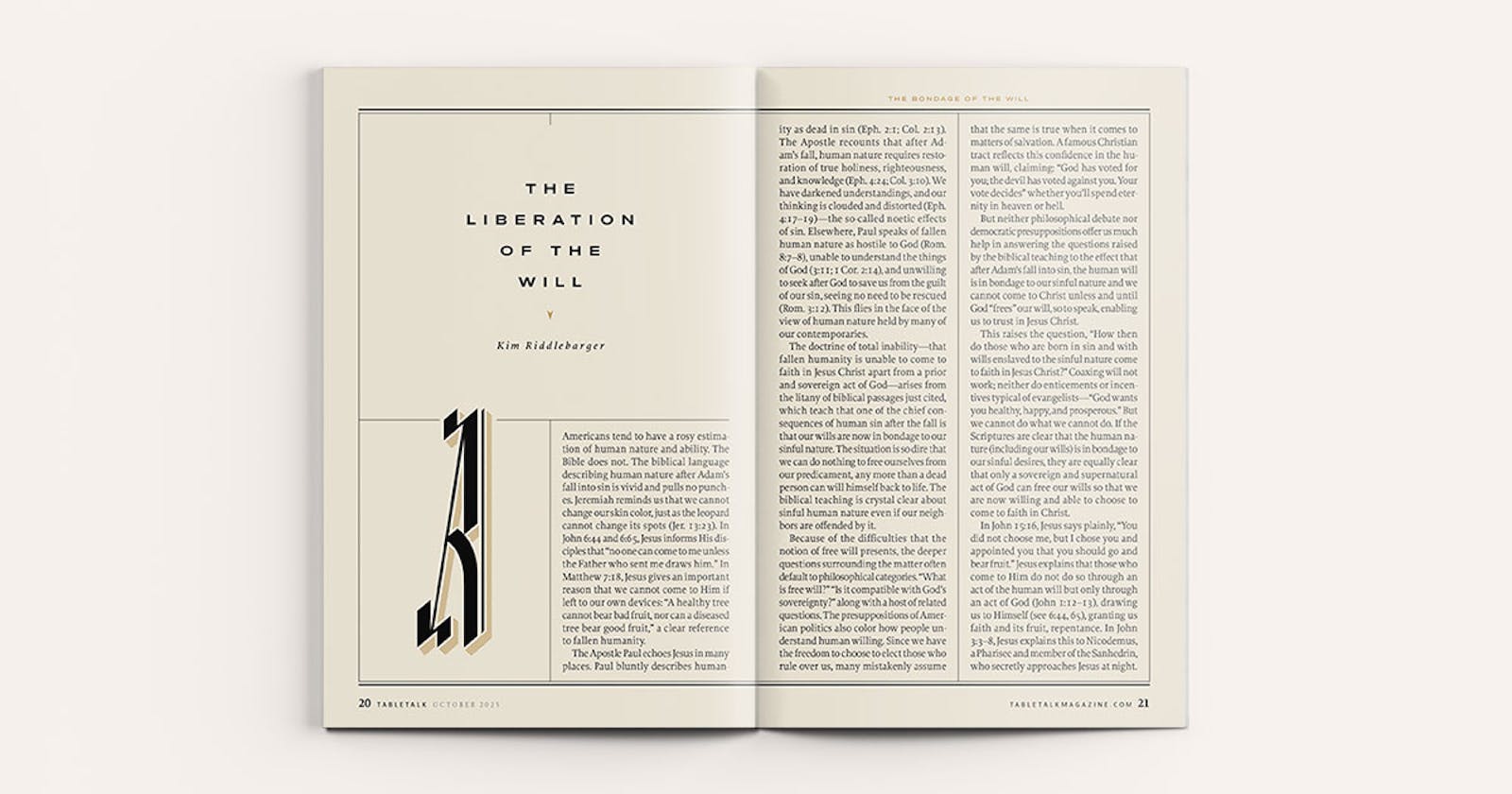



 Truth2Freedom's Blog