There are two ways to be fooled. One is to believe what isn’t true; the other is to refuse to believe what is true. —Soren Kierkegaard. "…truth is true even if nobody believes it, and falsehood is false even if everybody believes it. That is why truth does not yield to opinion, fashion, numbers, office, or sincerity–it is simply true and that is the end of it" – Os Guinness, Time for Truth, pg.39. “He that takes truth for his guide, and duty for his end, may safely trust to God’s providence to lead him aright.” – Blaise Pascal. "There is but one straight course, and that is to seek truth and pursue it steadily" – George Washington letter to Edmund Randolph — 1795. We live in a “post-truth” world. According to the dictionary, “post-truth” means, “relating to or denoting circumstances in which objective facts are less influential in shaping public opinion than appeals to emotion and personal belief.” Simply put, we now live in a culture that seems to value experience and emotion more than truth. Truth will never go away no matter how hard one might wish. Going beyond the MSM idealogical opinion/bias and their low information tabloid reality show news with a distractional superficial focus on entertainment, sensationalism, emotionalism and activist reporting – this blogs goal is to, in some small way, put a plug in the broken dam of truth and save as many as possible from the consequences—temporal and eternal. "The further a society drifts from truth, the more it will hate those who speak it." – George Orwell “There are two ways to be fooled. One is to believe what isn’t true; the other is to refuse to believe what is true.” ― Soren Kierkegaard
For the full satisfaction which Christ made to the justice of God for the sin of man by the blood of his cross, for the purchases, victories, and triumphs of the cross, and for all the precious benefits which flow to us from the dying of the Lord Jesus.
Herein indeed God shows his love to me, in that while I was still a sinner, Christ died for me, Romans 5:8(ESV) that I might be reconciled to him by the death of his Son. Romans 5:10(ESV) In this is love, not that I have loved God, but that he loved me and sent his Son to be the propitiation for my sins, 1 John 4:10(ESV) and not for mine only but for the sins of the whole world; 1 John 2:2(ESV) that he tasted death for everyone, Hebrews 2:9(ESV) that through death he might destroy the one who has the power of death, that is, the devil. Hebrews 2:14(ESV)
I bless you that by a single offering he has perfected for all time those who are being sanctified; Hebrews 10:14(ESV) that he has finished transgression, put an end to sin, atoned for iniquity, and has brought in an everlasting righteousness. Daniel 9:24(ESV)
That he has redeemed me from the curse of the law by becoming a curse for me. Galatians 3:13(ESV)
That God has done what the law, weakened by the flesh, could not do, by sending his own Son in the likeness of sinful flesh, who by a sacrifice for sin, condemned sin in the flesh. Romans 8:3(ESV)
That he was wounded for my transgressions and crushed for my iniquities; that upon him was the chastisement of my peace, and with his stripes I am healed; and that the LORD having laid upon him the iniquity of all his people, Isaiah 53:5-6(ESV) it was his will to crush him and put him to grief. Isaiah 53:10(ESV)
Psalm 1 In these lessons we see that our growth in holiness is dependent upon our being grounded in the Word of God, which points us to the Lord Jesus Christ as the only source of salvation and sanctification.
Theme
The Flourishing Soul
Yesterday we looked at the first two things the Word of God provides. Today we consider two more.
Third, the Bible is where we learn the will of God for our lives. We have many questions in this area. We say, “Here I am living in this particular time, in this particular place, with these particular talents. What am I to do? Which direction am I to go in? Am I to do this or that? Am I to move here or there?” We have no specific answers to these questions in the Word of God, but we do have great principles that will guide us in ninety-nine percent of the circumstances.
The psalmist knew this truth too, for he wrote: “Your word is a lamp to my feet and a light for my path” (Ps. 119:105). We cannot always see very far down the road. But we do not have to see far down the road. All we need is the light of the Word of God to shine upon the next step. God leads us step by step and thus provides blessing.
I have said that the Bible gives us principles rather than specifics, but sometimes the Word of God can be remarkably specific. When my wife and I were living in Switzerland, we had a home Bible study that met on Friday nights. Different people came, some believers, some who were not. On one occasion a girl came with whom a number of people in the Bible study had been working. She had a difficult situation at home. She and her husband were not getting along too well and at times they actually came to the point of having knock-down, drag-out fights. They actually hit one another. She would hit him. He would hit her. Sometimes she would go to work on Monday with a black eye.
The first night that she came we were in Matthew’s Gospel and had progressed as far as the fifth chapter. We read the passage aloud and came to the verse which says, “If someone strikes you on the right cheek, turn to him the other also” (v. 39). Everybody was thinking of this girl’s situation. When we got through reading and it was time to discuss it, nobody had anything to say. There was the longest pause I have ever experienced in a Bible study. Everyone sat absolutely mute.
Finally the girl herself spoke up. She said, “You know, that’s a very interesting verse.” (We all knew which one she was going to mention.) She said, “I think I understand what it means. It means that if somebody hits you and you hit him back, he is probably going to hit you again. But if, when he hits you the first time, you don’t hit him back, then the chances are he won’t hit you again and you will get past that sort of thing.”
We said, “Yes, that is certainly one sound reading of the text.”
Then this girl said something very profound. She said, “But you know, it’s not so easy to do, is it?”
Well, the Word of God was speaking to her quite specifically. And God continued to speak. Some time later, after she had returned to England, we learned that she had gone to a Billy Graham crusade at Harrogate and had become a Christian. The Holy Spirit speaks through the Bible. But, if we do not hear the Bible, we lose opportunity for that kind of direction.
A fourth thing the Word of God will do is protect us from spiritual counterfeits. There are many of them. I am always distressed in the way Christian people who should know better can hear a sermon that is utter liberalism and come out thinking it marvelous. The problem is that they have not fed upon the Word. They do not know the difference between a true sermon and a false one because they do not have the knowledge by which the counterfeit can be detected. Only the Word of God will keep us from falsehood and lead us in the right way.
Study Questions
What is the third way the Word of God provides for us? How does it accomplish this for us?
What is the Bible’s fourth provision?
Application
Reflection: List some examples of spiritual counterfeits. What does the Bible teach that reveals them to be false?
For Further Study: To learn more about the Bible’s teaching on the two ways, download for free and listen to James Boice’s message, “Two Ways Only.” (Discount will be applied at checkout.)
The Lord will strengthen him upon the bed of languishing. (Psalm 41:3)
Remember that this is a promise to the man who considers the poor. Are you one of these? Then take home the text.
See how in the hour of sickness the God of the poor will bless the man who cares for the poor! The everlasting arms shall stay up his soul as friendly hands and downy pillows stay up the body of the sick. How tender and sympathizing is this image; how near it brings our God to our infirmities and sicknesses! Whoever heard this of the old heathen Jove, or of the gods of India or China! This is language peculiar to the God of Israel; He it is who deigns to become nurse and attendant upon good men. If He smites with one hand, He sustains with the other. Oh, it is blessed fainting when one falls upon the Lord’s own bosom and is born thereon’ Grace is the best of restoratives; divine love is the safest stimulant for the languishing patient; it makes the soul strong as a giant, even when the bones are breaking through the skin. No physician like the Lord, no tonic like His promise, no wine like His love.
If the reader has failed in his duty to the poor, let him see what he is losing and at once become their friend and helper.
Draw nigh to God, and he will draw nigh to you. (James 4:8)
The nearer we come to God, the more graciously will He reveal Himself to us. When the prodigal comes to his father, his father runs to meet him. When the wandering dove returns to the ark, Noah puts out his hand to pull her in unto him, When the tender wife seeks her husband’s society, he comes to her on wings of love. Come then, dear friend, let us draw nigh to God who so graciously awaits us, yea, comes to meet us.
Did you ever notice that passage in Isaiah 58:9? There the Lord seems to put Himself at the disposal of His people, saying to them, “Here I am.” As much as to say—”What have you to say to me? What can I do for you? I am waiting to bless you.” How can we hesitate to draw near? God is nigh to forgive, to bless, to comfort, to help, to quicken, to deliver. Let it be the main point with us to get near to God. This done, all is done. If we draw near to others, they may before long grow weary of us and leave us; but if we seek the Lord alone, no change will come over His mind, but He will continue to come nearer and yet nearer to us by fuller and more joyful fellowship.
So that the cause of good works we confess to be not our free will, but the Spirit of the Lord Jesus a, who dwelling in our hearts by true faith brings forth such good works as God has prepared for us to walk in. For this we most boldly affirm, that it is blasphemy to say that Christ Jesus abides in the heart of those in whom is no spirit of sanctification. And, therefore, we fear not to affirm that murderers, oppressors, cruel persecutors, adulterers, whoremongers, filthy persons, idolaters, drunkards, thieves, and all workers of iniquity have neither true faith nor any portion of the Spirit of the Lord Jesus so long as they obstinately continue in their wickedness. For how soon that ever the Spirit of the Lord Jesus (which God’s elect children receive by true faith) takes possession in the heart of any man, so soon does He regenerate and renew the same man so that he begins to hate that which before he loved and begins to love that which before he hated. And from thence comes that continual battle which is betwixt the flesh and the spirit in God’s children. While flesh and the natural man (according to their own corruption) lusts for things pleasing and delectable unto the self b, grudges in adversity, is lifted up in prosperity, and at every moment is prone and ready to offend the majesty of God. But the Spirit of God, who gives witness to our spirit that we are the sons of God c, makes us to resist the devil, to abhor filthy pleasures, to groan in God’s presence for deliverance from this bondage of corruption, and finally to triumph over sin that it reign not in our mortal bodies. This battle has not the carnal man being destitute of God’s Spirit: but do follow and obey sin with greediness and without repentance, even as the devil and their corrupt lusts do prick them. But the sons of God (as was before said), do fight against sin, do sob and mourn when they perceive themselves tempted to iniquity; and if they fall, they rise again with earnest and unfeigned repentance, and these things they do not by their own power, but by the power of the Lord Jesus without whom they were able to do nothing d.
“Salvation is found in no one else, for there is no other name under heaven given among men by which we must be saved.” We make these observations: a. Salvation proclaimed. “Salvation is found in no one else.” This text is among the well-known and cherished passages in Acts. Peter challenges his immediate audience but at the same time speaks to all people who seek salvation. He addresses learned and influential men in the Sanhedrin whose work consisted of showing the people of Israel the way of salvation. They did so by telling the Jews to perform works that would earn them salvation. But Peter preaches that salvation can be obtained in no way other than through the name of Jesus Christ. The salvation he preaches comprises both physical and spiritual healing. They see the evidence of physical healing in the man who used to be a cripple. But they must understand that spiritual well-being includes forgiveness of sin and a restored relationship with God. No one in Peter’s audience is able to point to any person who grants salvation, because everyone needs salvation himself. Hence, they should realize that they can have peace with God only through Jesus Christ. b. Name given. “There is no other name under heaven given among men.” The name Jesus reveals the task of the Savior, because the name means “he will save his people from their sins” (Matt. 1:21). That is, he heals people physically from the effect of sin, but more than that, he removes sin itself so that people can stand before the judgment seat of God as if they had never sinned at all. Jesus makes them spiritually whole by restoring them in true relation to God the Father. Jesus says, “No one comes to the Father but through me” (John 14:6). No person but Jesus has the ability to provide remission of sin. “Through his name everyone who believes in him receives forgiveness of sins” (10:43). Peter resorts not to an overstatement but rather to a descriptive idiom when he says that there is no other name under heaven than the name Jesus. Nowhere in the entire world is man able to find another name (i.e., person) that offers the salvation Jesus provides. Religions other than Christianity fail because they stress salvation by works and not by grace. The name Jesus has been given to men by God himself to show that salvation has its origin in God. c. Believers saved. “[No other name] by which we must be saved.” The Greek text is specific. It does not say that we can be saved, for this would indicate that man has inherent ability to achieve salvation. Nor does it say that we may be saved, for then the clause would convey uncertainty. The text is definite. It says: “by which we must be saved.” The word must reveals a divine necessity which God has established, according to his plan and decree, to save us through the person and work of Jesus Christ. Furthermore, this word signifies that man is under moral obligation to respond to the call to believe in Jesus Christ and thus gain salvation. He has no recourse to salvation other than through the Son of God.
Kistemaker, S. J., & Hendriksen, W. (1953–2001). Exposition of the Acts of the Apostles (Vol. 17, pp. 155–156). Baker Book House.
12 And from the once rejected but now glorified Jesus, and from him alone, comes true saving health. The deliverance of the cripple from a bodily affliction might serve as a parable of deliverance from the guilt of sin and from judgment to come. If the rulers persisted in their repudiation of Jesus, which had already involved them in blood-guiltiness, no deliverance from its consequences could be hoped for from any other quarter or by the power of any other name. The name of Jesus, by which the cripple had been empowered to spring to his feet and walk, was the name with which Israel’s salvation (and, as was to appear later, the salvation of the world) was inextricably bound up. The course of duty and wisdom for the rulers was therefore clear; if they refused it and persisted in their present attitude, they would bring destruction on their nation as well as on themselves. The founders of the great world-religions are not to be disparaged by followers of the Christian way. But of none of them can it be said that there is no saving health in anyone else; to one alone belongs the title: the Savior of the world.
Bruce, F. F. (1988). The Book of the Acts (pp. 93–94). Wm. B. Eerdmans Publishing Co.
Thirty days of exalting Jesus through selected verses with pictures representing the prophecy, life, death, resurrection, and Second Coming of our Savior.
We are in the flow of verses that prophesied his coming.
History tells us this is exactly what happened, with David’s royal dynasty all but dying out as a result of God’s judgment of His people through Assyria and Babylon. Nevertheless, Isaiah also saw that while the Davidic line would seem to be dead, life would remain within the stump. A shoot—life barely detectable at first—would emerge. But once this shoot went forth, it would become a mighty tree.
He comes forth out of the stem, or stump, of Jesse. When the royal family, that had been as a cedar, was cut down, and only the stump of it left, almost levelled with the ground and lost in the grass of the field (Dan. 4:15), yet it shall sprout again (Job 14:7); nay, it shall grow out of his roots, which are quite buried in the earth, and, like the roots of flowers in the winter, have no stem appearing above ground. The house of David was reduced and brought very low at the time of Christ’s birth, witness the obscurity and poverty of Joseph and Mary. The Messiah was thus to begin his estate of humiliation.
Jesse —jehovah exists or firm. The son of Obed and father of David, and grandson of Boaz and Ruth, and an ancestor of Christ (Ruth 4:17, 22). Jesse had eight sons and two daughters by different wives (1 Sam. 17:12-14, 25). Isaiah speaks of “the stock of Jesse,” a phrase indicating that it was from Jesse the Messiah would come. The humble descent of the Messiah is contrasted with the glorious kingdom He is to have (Isa 11:1).
“This is the famous text that foresees a shoot coming forth from “the stump of Jesse,” a shoot whose reign would destroy all evil and bring peace to the earth (Isa. 11:1–11).”
It is easy to be overwhelmed in the midst of misery. Whether you’re facing your own sin, that of another’s against you, or suffering of one sort or another, we are tempted to remain downcast. If that describes you today, the prescription you need is found in Psalm 106. The psalmist lifts our eyes from our misery to the marvelous mercies of God.
Multiple Marvels
The psalmist begins with a call to praise and thanksgiving based on the steadfast love of the Lord and His mighty deeds, “Praise the LORD! Oh give thanks to the LORD, for he is good, for his steadfast love endures forever! Who can utter the mighty deeds of the LORD, or declare all his praise?” (Ps. 106:1-2). Then he states a blessing upon those who are just and righteous, “Blessed are they who observe justice, who do righteousness at all times!” (v. 3). Finally, the psalmist asks the Lord to remember him, so he can “look upon the prosperity” and “rejoice in the gladness” and “glory with” God’s people (vv. 4-5).
Jesus echoes the psalmist’s beatitude in His Sermon on the Mount, “Blessed are those who hunger and thirst for righteousness, for they shall be satisfied” (Matt. 5:6). As believers we have much for which to give thanks. We should thank God for His attributes, like goodness, love, and justice. And we should imitate His goodness, love, and justice as we interact with everybody around us.
Multiple Miseries
The psalmist recognizes the misery of sin, “Both we and our fathers have sinned; we have committed iniquity; we have done wickedness” (Ps. 106:6). It’s no surprise, then, that their “fathers, when they were in Egypt, did not consider [God’s] wondrous works” (v. 7). However, in the wake of deliverance, “they believed his words; they sang his praise” (v. 12). Sadly, such belief and praise didn’t last long. God’s people “soon forgot his works….and put God to the test in the desert” (vv. 13-14). At Sinai they grew impatient and “forgot God, their Savior, who had done great things” as they worshiped the golden calf (vv. 19-21). They spurned God and “despised the pleasant land, having no faith in his promise” (v. 24). In wilderness wanderings they embraced idolatry and “yoked themselves to the Baal of Peor, and ate sacrifices offered to the dead” (v. 28). Yet thankfully, “Phinehas stood up and intervened, and the plague was stayed” (v. 30). Iniquity grew worse in Canaan as “they mixed with the nations” and “served their idols, which became a snare to them” (v. 36). Therefore, exile came upon them as the Lord, in His righteous anger, “gave them into the hand of the nations….and they were brought into subjection under their power” (vv. 41-42). Although “many times he delivered them…they were rebellious in their purposes” (v. 43).
Such miseries reveal humankind’s desperate need of redemption, “for all have sinned and fall short of the glory of God” (Rom. 3:23). Thankfully, God offers us a solution, “For the wages of sin is death, but the free gift of God is eternal life in Christ Jesus our Lord” (6:23). Yet every believer knows the struggle with sin is not over upon conversion and can say with Paul, “Wretched man that I am! Who will deliver me from this body of death?” (7:24). Gratefully, with Paul we can also declare the answer, “Thanks be to God through Jesus Christ our Lord!” (v. 25). “There is therefore now no condemnation for those who are in Christ Jesus” (8:1). Let us, then, “present [our] bodies as a living sacrifice, holy and acceptable to God” (12:1).
Multiple Mercies
Both God’s covenant and His compassion are highlighted in the closing verses of Psalm 106. “Nevertheless, he looked upon their distress, when he heard their cry. For their sake he remembered his covenant, and relented according to the abundance of his steadfast love” (Ps. 106:44-45). Such a great salvation should lead to thanksgiving and praise: “Save us, O LORD our God…that we may give thanks to your holy name and glory in your praise” (v. 47). Indeed, all God’s people are to say, “Praise the LORD!” (v. 48).
Giving thanks to the Lord is what we will spend eternity doing. Believers will not cease to praise the triune God in the new Jerusalem. We will worship God our Father, Christ our Brother, and the Spirit our Helper. Delivered from our misery, we will spend eternity marveling at the mercies of the Lord.
“Give thanks unto the LORD, call upon his name, make known his deeds among the people.”
(1 Chronicles 16:8, KJV)While preparing for the gathering of family and friends this Thanksgiving season, let’s not forget to also prepare our hearts in humble gratefulness to God for the blessings and grace which He has bestowed upon us as individuals and as a nation.
The celebration we now popularly regard as the ‘First Thanksgiving’ was the Pilgrims’ three-day feast celebrated in early November of 1621 (although a day of thanks in America was observed in Virginia at Cape Henry in 1607) …
The Pilgrims left Plymouth, England, on September 6, 1620, sailing for a new world that offered the promise of both civil and religious liberty. The Pilgrims had earlier left England in 1608, as the Church of England had curtailed their freedom to worship according to their individual consciences.
The Pilgrims had settled in Holland for twelve years, where they found spiritual liberty in the midst of a disjointed economy (which failed to provide adequate compensation for their labors) and a dissolute, degraded, corrupt culture (which tempted their children to stray from faith). For almost three months, 102 seafarers braved harsh elements to arrive off the coast of what is now Massachusetts, in late November of 1620. On December 11, prior to disembarking at Plymouth Rock, they signed the “Mayflower Compact,” America’s original document of civil government and the first to introduce self-government…
Upon landing in America, the Pilgrims conducted a prayer service, then quickly turned to building shelters. Starvation and sickness during the ensuing New England winter killed almost half their population, but through prayer and hard work, with the assistance of their Indian friends, the Pilgrims reaped a rich harvest in the summer of 1621.
As we gather with loved ones, let us reflect upon our Christian heritage and remember that “Blessed is the nation whose God is the Lord; and the people whom he hath chosen for his own inheritance.” (Psalm 33: 12).
“Thanks be to God for his inexpressible gift” (2 Cor. 9:15).
Thanksgiving is an American holiday that stretches all the way back to a time long before America became a nation. The Pilgrims landed in 1620. They faced brutal conditions and were woefully unprepared. Roughly half of them died in that first year. Then they had a successful harvest of corn. In November of 1621 they decided to celebrate a feast of thanksgiving.
Edward Winslow was among those who ate that first thanksgiving meal in 1621. He noted:
“Our harvest being gotten in, our governor sent four men on fowling, that so we might after a special manner rejoice together after we gathered the fruit of our labors. …And although it be not always so plentiful as it was at this time with us, yet by the goodness of God, we are so far from want.”
So we have a holiday of thanksgiving born in and further nurtured during times of great adversity and struggle. We might think that times of adversity and challenge would spawn ingratitude, while times of prosperity would spawn gratitude. Sadly, the reverse is true. A chilling scene from the animated television show The Simpsons demonstrates this. Bart Simpson was called upon to pray for a meal, to which he promptly prayed, “Dear God, We paid for all of this stuff ourselves, so thanks for nothing.”
Prosperity breeds ingratitude. The writers of the Heidelberg Catechism knew this. Question 28 asks what it benefits us to know that God creates and sustains all things. The answer is it gives patience in adversity and gratitude in prosperity. Moses also knew this. In Deuteronomy, he looks ahead to times of material prosperity for Israel, then sternly warns, inspired by the Holy Spirit, not to forget God. “Beware lest you say in your heart, ‘My power and the might of my hand have gotten me this wealth’ ” (Deut. 8:17). We did this all ourselves. Thanks for nothing. Human nature trends toward ingratitude. View article →
Other than perhaps July 4, Thanksgiving is the quintessential American holiday. But we’ve been celebrating the former since 1777. The latter is relatively late, a nineteenth century creation codified by Abraham Lincoln in 1863. It was the mid-nineteenth century rediscovery of William Bradford’s journal and other accounts that mentioned the 1621 meal that led Alexander Young and Sara Hale to push for a new national holiday honoring the mythological origin of the nation. Until that time, no one knew about the alleged unity banquet, and no one called the settlers of Plymouth “Pilgrims.” The appeal of this new myth in the 1860s is obvious: the story of America became reconciliation, the cessation of hostilities, multiethnic, mutual aid. Harmony, tranquility, bounty, and unity. That became the theme(s). A new holiday for what was, in many ways, a new nation was needed. Even that demonstrates part of the function of Thanksgiving. A family dinner is subject to myriad interpretations, uses, and practices. In a way, Thanksgiving is open to contestation. Virginians, I gather, are passionate about laying claim to the real first Thanksgiving meal.
Of course, days of thanksgiving had been declared regularly throughout American history, usually after a bountiful harvest or a military victory. Bradford had done so in 1623, and the Continental Congress did so in 1777. Establishing a national one with ties to the first settlers of New England, which, as Tocqueville said, shaped the nation, was not a bad idea at all. There’s nothing wrong with Thanksgiving, of course. It’s wholesome, patriotic, family oriented and, in that way, its own act of rebellion in this late republic. We should observe it and feast on the true national bird as God intended. Bald eagles, after all, as Ben Franklin observed, are notoriously of “bad moral character” whereas the turkey is a “bird of courage.” (At least we do not eat rattlesnake.) The fact that turkey was not on the original menu at Plymouth is no matter. The nature of Thanksgiving, as we’ve described, is that it is an open vial into which we can pour the expanse of American custom and sentiment over time. Speaking vials, the proper American way to cook your turkey, by the way, is to electrocute it while still alive with “two glass jars containing as much electrical fire as forty common phials.”
Before Thanksgiving there was Forefathers’ Day, one of the oldest holidays in America. You’ve never celebrated Forefathers’ Day in large part because it was drowned out, except in Plymouth, by Thanksgiving. As we come up on a year of what will hopefully be a period of appropriate and respectful celebration of our nation’s history, it’s time to bring this old, discarded holiday back.
I first encountered a reference to the holiday, established in 1769 by the Old Colony Club (and then the town of Plymouth), in a speech by Henry Cabot Lodge delivered in 1898 for the occasion. As I’ve noted before, no one talks about our Puritan forebears anymore like Lodge did. He modeled how we should speak of our ancestors, and Forefathers’ Day is a day for filial piety.
“[The Puritan] stands out in history as distinctly as a Greek temple on a hilltop against the brightness of the clear twilight sky. It is a stern figure enough, lacking many of the ordinary graces, but it is a manly figure withal, full of strength and force and purpose. He had grave faults, but they were the faults of a strong and not a weak nature, and his virtues were those of a robust man of lofty aims…. We would not barter our descent from him for the pedigree of kings.”
Because of a miscalculation of the transference from the Julian to the Gregorian calendar—only 10 rather than 11 days should have been added—Forefathers’ Day occurs on December 22 to honor the Pilgrim landing. That is, the landing of the shallop, not the Mayflower itself. In other words, Forefathers’ Day is the remembrance of the first boots on the ground, as it were.
Celebration of Forefathers’ Day is appropriately Sabbatarian. If December 22 falls on a Sunday, festivities must be moved to the following Monday. Not the preceding Saturday, mind you. That would threaten Lord’s Day attendance. Though it cannot be observed on a Sunday, Forefathers’ Day is typically accompanied by a commemorative sermon. The American Antiquarian Society has a list of the sermons preached between 1770 and 1865. The 1776 sermon from Samuel West (1731-1807) is a representative example. Or read a mercifully abridged version of this two-hour speech from Daniel Webster given on the occasion 1820. (Lodge’s short biography of Webster published in the Atlantic, back when it was a respectable American magazine, is appropriate reading as well.)
Firing a canon is customary, though rifles or legal explosives will surely do. Then there’s feasting either before or after the reading of a proclamation honoring our Pilgrim forebears. Turkey is not required but succotash and some kind of local foul are appropriate menu items. Clams, oysters, cod, venison, eel, cheese, and apple pie are also options. Native foods are the point. No Chinese takeout or southern barbeque. Many toasts should be given as the party reminisces on the “many and various advantages of our forefathers in the first settlement of this country, and the growth and increase of the same.” A second canon volley at eleven o’clock in the evening, marking the formal end of festivities that began 12 hours before. Parades were a part of early celebrations in which “youths” were known to discharge their side arms with enthusiasm.
Other than another chance to eat, drink, and experiment in pyrotechnics, what does Forefathers’ Day add to the American calendar? Rather than the meal of 1621, Forefathers’ Day centers the covenant of 1620, “undertaken for the Glory of God and advancement of the Christian Faith,” and it centers the men who entered it and crossed the Atlantic to establish a new polity for their posterity. As Thomas Jefferson insisted in his Summary View of British Rights in America, no help, either from the Indians or Britain, was involved in this expression of, as he would have it, English courage and fortitude. It was not a kumbaya moment, but rather one of daring and endurance, and only attributable to particular men, Englishmen who talked like this:
“May not and ought not the children of these fathers rightly say: ‘Our fathers were Englishmen which came over this great ocean, and were ready to perish in this wilderness; but they cried unto the Lord, and He heard their voice and looked on their adversity.’ Let them therefore praise the Lord because He is good: and His mercies endure forever.’ ‘Yea, let them which have been redeemed of the Lord, shew how He hath delivered them from the hand of the oppressor. When they wandered in the desert wilderness out of the way, and found no city to dwell in, both hungry and thirsty, their soul was overwhelmed in them. Let them confess before the Lord His lovingkindness and His wonderful works before the sons of men.”
Bradford’s is some of the most beautiful American prose. I recommend reading it at this year’s Forefathers’ party. (Get the Samuel Eliot Morrison edition, and read his Builders of the Bay Colony and The Puritan Pronaos, if you can find them.)
There was always an element of defiance and chauvinism in Forefathers’ Day. Early accounts of the holiday feature colonial pride in the face of mounting pressure from the home government unto conformity and consolidation. What the day represents for our time is a protest against the creedal, propositional gobbledygook that still captivates even respected people like Gordon Wood. (The late Robert Middlekauff was better anyway.) It reminds us that there was a definitive beginning to our nation accomplished by a particular people and that we are, in turn, particular. It’s just like any nation only different: it’s ours, and we are a people, not an idea. We are not gratitude or unity or freedom. We are descendants—at least mythical, covenantal descendants—of our forefathers.
Machiavelli and Rousseau both spoke of the significance of founders—Moses, Lycurgus, Romulus— and their ability to shape nations. Indeed, a nation forgets itself when it departs from their modes and orders. It becomes something different entirely. Our first founders are rarely remembered nor connection to them prioritized. We must remedy this great forgetting if we are to recover a sense of ourselves—any continuity—in our moment of tumult where seemingly the whole world is laying claim to American identity. Charity and unity through embrace of and participation in particularity, that is the formula we should apply to Americanism.
This particularity is our Anglo-Protestant beginnings. This is what old and new Americans must embrace: the religion, language, virtue, and ambitions of their forefathers, whether natural or adoptive. Forefathers’ Day is a celebration of founding heroes, and a rejection of hyphenated identities. It’s a reminder of what we’re all supposed to assimilate to. As Lodge put it (very much in the spirit of his good friend, Teddy Roosevelt),
“Let everyman honor and love the land of his birth and the race from which he springs and keep their memory green. It is a pious and honorable duty. But let us have done with British-Americans and Irish-Americans and German-Americans, and so on, and all be Americans—nothing more and nothing less. If a man is going to be an American at all let him be so without any qualifying adjectives.”
Robert Louis Wilken has written elegantly about how culture is formed through space (art and architecture), language, and time (i.e., the calendar). I am not advocating for canceling Thanksgiving. I’m saying we should flood the zone with inescapably American holidays, ones that directly confront the creedal, propositional thesis imposed on American identity over the past century. Let a thousand flowers bloom. As we approach the 250th anniversary of our second founding, we should be thinking creatively about how to emphasize and celebrate American heritage.
Whereas Thanksgiving is about platitudes (e.g., gratitude)—good platitudes, to be sure—Forefathers’ Day is about men, heroes, a moment of conquest, a true founding less prone to reinterpretation by egalitarian enthusiasms. Forefathers’ Day is explicitly national in the traditional sense in its recognition of our patria, of national origins and lineage, of our heritage as fixed in time, not open to ideological musings adopted through malleable public sentiment.
America has always been generous, charitable, and welcoming. For this model of charity to continue unmolested, a point of historical reference, of assimilation and love, must be established. Forefathers’ Day helps, if in a small way, to do that. Several attempts were made in the nineteenth and early twentieth centuries to establish Forefathers’ Day as a national holiday, not as a replacement of but rather a compliment to Thanksgiving. If any administration would entertain a Forefathers’ Day proposal again, it’s the current one.
Image: Landing of the Pilgrims by Michele Felice Cornè (1805). Wikimedia Commons.
Or do you not know that the unrighteous shall not inherit the kingdom of God? Do not be deceived; neither fornicators, nor idolaters, nor adulterers, nor effeminate, nor homosexuals, nor thieves, nor the covetous, nor drunkards, nor revilers, nor swindlers, shall inherit the kingdom of God. And such were some of you; but you were washed, but you were sanctified, but you were justified in the name of the Lord Jesus Christ, and in the Spirit of our God. (6:9–11)
Paul’s purpose here is not to give a list of sins that will indicate one has lost his salvation. There are no such sins. He is rather giving a catalog of sinners who are typical of the unsaved. Persons whose lives are totally characterized by such sins are not saved and therefore unrighteous, unjustified. They shall not inherit the kingdom of God, because they are not right with God. They are outside the kingdom, the sphere of salvation. The application to believers is clear. “Why, then,” Paul asks the Corinthians, “do you keep living like the unsaved, the unrighteous? Why do you keep falling into the ways of your old life, the life from which Christ has saved you? Why are you following the old standards, and having the old selfish, ungodly motives? You are to be separated from the world’s ways, not following them. And specifically, why are you taking your problems to the world’s courts?” A believer is a new creation (2 Cor. 5:17), with a new inner personhood made after God’s own person (2 Pet. 1:4), and there is no longer unbroken unrighteousness. But the flesh can become dominant in the disobedient Christian, so that he may take on the appearance of an unbeliever. The catalog of sins in verses 9–10 is not exhaustive, but those sins represent all the major types of moral sin, the types of sin that have always characterized ungodly societies and that ought never to characterize the godly society of the redeemed. Fornicators has to do with sexual immorality in general and to that by unmarried persons in particular. Scripture continually condemns it. The sin is characteristic of our own western society today. It is portrayed and exalted in books, magazines, movies, and television as the norm of human living. But fornication in any form is an abomination to God and should be an abomination to His people. Those who habitually practice and defend it cannot possibly belong to God, for the heirs of His kingdom do not habitually practice and defend sexual immorality. True believers may do it, but no matter how involved and weak they are, deep within them they recognize its evil. (See Rom. 7:15–25 for Paul’s discussion of this conflict.) Idolators refers to those who worship any false gods and false religious systems, not simply to those who bow down to images. Our society has never been so engulfed by and enamored of false religions and cults as in our day. No belief, claim, or practice seems to be too bizarre to get a following. Adulterers refers specifically to married persons who indulge in sexual acts outside the marriage partnership. Because marriage is sacred, that is an especially heinous sin in God’s sight. The Old Testament required the death penalty for it. In addition to corrupting the participants themselves it also corrupts the family. It defiles the unique, God-established relationship between husband and wife and it inevitably brings harm to their children. And those may be only the initial effects. Effeminate and homosexuals both refer to those who exchange and corrupt normal male-female sexual roles and relations. Transvestism, sex change, homosexuality, and other gender perversions are included. God’s unique creation, those created in His own image, were created “male and female” (Gen. 1:27), and the Lord strictly forbids the two roles to be blurred, much less exchanged. “A woman shall not wear man’s clothing, nor shall a man put on a woman’s clothing; for whoever does these things is an abomination to the Lord your God” (Deut. 22:5). The Hebrew terms in that verse indicate more than clothing, and include any tool, implement, or apparatus. Homosexuality is condemned throughout Scripture. It was so characteristic of Sodom that the term sodomy is a synonym for that sin. The Sodomite men were inflamed with perverted sexual desire, and on one occasion they surrounded Lot’s house and demanded that the two angels (who had come in the form of men) be sent outside so that they could “have relations with them” (Gen. 19:4–5). God completely destroyed Sodom and Gomorrah because “their sin [was] exceedingly grave” (18:20). Since that time sodomy has stood for sexual perversion and the phrase Sodom and Gomorrah has stood for moral corruption. For believers the terms also have come to stand for God’s hatred and judgment of moral corruption. By Paul’s day homosexuality had been rampant in Greece and Rome for centuries. In his commentary on this passage, William Barclay reports that Socrates was a homosexual and Plato probably was. Plato’s Symposium on Love is a treatise glorifying homosexuality. It is likely that fourteen of the first fifteen Roman emperors were homosexuals. Nero, who reigned close to the time Paul wrote 1 Corinthians, had a boy named Sporis castrated in order for the boy to become the emperor’s “wife,” in addition to his natural wife. After Nero died, the boy was passed on to one of Nero’s successors, Otho, to use in the same way. Confusion of sex roles, like adultery, is particularly evil because it attacks the family. It corrupts the biblical plan for the family, including the standards for authority and submission within the family, and thus retards the passing of righteousness from one generation to the next. The most ungodly societies of history have been plagued by sex role perversions, no doubt because Satan is so intent on destroying the family. Churches who, in the name of love, defend homosexuality and condone homosexual ministers, “marriages,” and congregations not only pervert God’s standards of morality but encourage their members in sin. Encouragement in sin has no part in love. True love of others is not doing for them what they want but doing for them what God wants. “By this we know that we love the children of God, when we love God and observe His commandments. For this is the love of God, that we keep His commandments” (1 John 5:2–3). Condoning sin is never an act of love, either for God or for those whose sins we condone. Thieves and covetous relate to the same basic sin of greed. The covetous person desires that which belongs to others; the thief actually takes it. Greed is a manifestation of selfishness and, like all selfishness, is never satisfied. The greedy demand more and more. In our day it is difficult to find a person, even a Christian, who is satisfied with his income and possessions. But greed is not to characterize the heirs of God’s kingdom. It has no place in the Christian life. Drunkards is self-explanatory. Like the other sins listed here, it is almost inevitably found to be a serious problem where God’s name and Word are disregarded or despised. Today alcoholism is spreading even to the elementary ages. Preteen and young teen alcoholics are becoming more and more common, as are alcoholics among their elders. The harm that alcohol does to individuals and to families is beyond measure. Revilers are those who destroy with their tongues; they wound with words. God does not consider their sin to be mild, because it comes from hearts full of hate and causes misery, pain, and despair in the lives of those it attacks. Swindlers are thieves who steal indirectly. They take unfair advantage of others to promote their own financial gain. Extortioners, embezzlers, confidence men, promoters of defective merchandise and services, false advertisers, and many other types of swindlers are as common to our day as to Paul’s. And such were some of you, Paul continues. The Corinthian church, as churches today, had ex-fornicators, ex-adulterers, ex-thieves, and so on. Though many Christians have never been guilty of the particular sins just discussed, every Christian was sinful before he was saved. Every Christian is an ex-sinner. Christ came for the purpose of saving sinners (Matt. 9:13). That is the great truth of Christianity: no person has sinned too deeply or too long to be saved. “Where sin increased, grace abounded all the more” (Rom. 5:20). But some had ceased to be like that for a while, and were reverting to their old behavior. Paul uses but (alla, the strongest Greek adversative particle) three times to indicate the contrast of the Christian life with the worldly life he has just been describing. But you were washed, but you were sanctified, but you were justified. It made no difference what they were before they were saved. God can save a sinner from any sin and all sin. But it makes a great deal of difference what a believer is like after salvation. He is to live a life that corresponds to his cleansing, his sanctification, and his justification. His Christian life is to be pure, holy, and righteous. The new life produces and requires a new kind of living. Washed speaks of new life, of regeneration. Jesus “saved us, not on the basis of deeds which we have done in righteousness, but according to His mercy, by the washing of regeneration and renewing by the Holy Spirit” (Titus 3:5). Regeneration is God’s work of re-creation. “Therefore if any man is in Christ, he is a new creature; the old things passed away; behold, new things have come” (2 Cor. 5:17). “We are His workmanship, created in Christ Jesus” (Eph. 2:10). When a person is washed by Christ he is born again (John 3:3–8). Sanctified speaks of new behavior. To be sanctified is to be made holy inwardly and to be able, in the Spirit’s power, to live a righteous life outwardly. Before a person is saved he has no holy nature and no capacity for holy living. But in Christ we are given a new nature and can live out the new kind of life. Sin’s total domination is broken and is replaced by a life of holiness. By their fleshly sinfulness the Corinthians were interrupting that divine work. Justified speaks of new standing before God. In Christ we are clothed in His righteousness and God now sees in us His Son’s righteousness instead of our sin. Christ’s righteousness is credited to our account (Rom. 4:22–25). We are declared and made in the new nature righteous, holy, innocent, and guiltless because God is “the justifier of the one who has faith in Jesus” (Rom. 3:26). The Corinthian believers had experienced transformation in the name of the Lord Jesus Christ, and in the Spirit of our God. God’s name represents His will, His power, and His work. Because of Jesus’ willing submission to the Father’s will, His death on the cross in our behalf, and His resurrection from the dead, He has provided our washing, our sanctification, and our justification. A transformed life should produce transformed living. Paul is saying very strongly that it was unacceptable that some believers were behaving like those outside the kingdom. They were acting like their former selves. They were not saved for that, but from that.
MacArthur, J. F., Jr. (1984). 1 Corinthians (pp. 140–144). Moody Press.
The Ungodly Will Forfeit 6:9–11
After Paul’s discussion on court cases and their devastating effect on the Christian community, he broadens his discourse by mentioning sinful people who are barred from God’s kingdom. In this segment, Paul distinguishes between those who deliberately sin and the Corinthians who are cleansed from sin. As he alludes to these immoral sinners, he once again lists some of the same categories of evil people (see 5:9–11).
Or do you not know that the ungodly will not inherit the kingdom of God? Do not be deceived; immoral people, idolaters, adulterers, homosexuals, sodomites, 10. thieves, greedy persons, drunkards, slanderers, swindlers—none of them will inherit the kingdom of God. a. “Or do you not know?” Paul continues with the conjunction or that links this passage to the preceding verses (vv. 2 and 3), which feature the same rhetorical questions. Do the Corinthians know and understand the spiritual implications of lawsuits and sinful lives? The rhetorical question that Paul raises in this verse demands a positive answer. b. “The ungodly will not inherit the kingdom of God.” Paul queries whether the Corinthians are aware of basic facts that pertain to God’s kingdom. First, who will inherit this kingdom? Certainly not the ungodly, whose sexual immorality and other sins disqualify them. They are people whose desire is to do wrong. They are inclined, unlike the righteous, to inflict damage on others and thus are dissimilar to the righteous. Paul does not have in mind persons who see the error of their way and repent. He refers instead to those who willfully continue in their sins and glory in them. Next, the word inherit relates to sons and daughters who share an inheritance in the kingdom and in this case are the children of God. They receive the inheritance not by works but by grace (see Eph. 2:8–9). Unrepenting sinners, however, are excluded from the kingdom. Third, the verb to inherit means that there is no possibility that unrepentant sinners at some time will share God’s blessing. The use of the future is definite: they will never inherit the kingdom. And last, the concept kingdom occurs repeatedly in the synoptic Gospels, especially in that of Matthew. But in his first epistle to the Corinthians, Paul mentions the concept only five times (4:20; 6:9, 10; 15:24, 50). With the exception of 4:20, all these passages relate to the future blessings of the coming kingdom. c. “Do not be deceived; immoral people, idolaters, adulterers, homosexuals, sodomites.” Once more Paul exhorts the readers not to be deceived (see 3:18); they should be fully aware of the evil society in which they live. He enumerates sins that pertain to sexual immorality and mentions first the fornicators (see the commentary on 5:9, 10, 11). He uses this term to describe illicit intercourse either between a married and an unmarried person or between two unmarried persons. Paul affirms Jesus’ doctrine that sexual immorality makes a person unclean (see v. 11; Matt. 15:19–20). Notice that Paul places the idolaters between immoral people and adulterers. The inclusion of idolaters in this list of sexual sins seems slightly misplaced. But in the Gentile world of that day idolatry often was a source of sexual perversion (see Rom. 1:18–32). The next three categories are adulterers, homosexuals, and sodomites. The first Greek expression, moichoi (adulterers), describes the sexual sin which a married person commits with someone who either is or is not married; it results in breaking the marriage bond. The next Greek word, malakoi (homosexuals), relates to “men and boys who allow themselves to be misused homosexually.” This word connotes passivity and submission. By contrast, the third Greek term, arsenokoitai (sodomites), represents men who initiate homosexual practices (1 Tim. 1:10). They are the active partners in these pursuits. From Greek and Latin prose, pottery, and sculpture, we learn that preoccupation with sexual practices was prevalent among men in the first century. These men wallowed in homosexual sins and rivaled even the inhabitants of ancient Sodom (Gen. 19:1–10; see also Lev. 18:22; 20:13). d. “Thieves, greedy persons, drunkards, slanderers, swindlers.” Paul now turns from sexual sins to those that pertain to material possessions, physical and verbal abuse, and robbery. He seems to echo the Decalogue, even though he does not list the ten sins he has enumerated in the order of the Ten Commandments. Except for the category thieves, the list is a repetition of an earlier passage (5:10–11). e. “None of them will inherit the kingdom of God.” The duplication of this solemn statement (v. 9) serves to emphasize the severity of the transgressions Paul has listed. He is not saying that a person who commits any of these sins will never inherit God’s kingdom. He implies that anyone who persists in practicing these vices will be barred from entering the kingdom. But when a sinner shows genuine repentance and yields his life in faith to Christ, he is forgiven, cleansed from sin, freed from guilt, sanctified and declared righteous. The Corinthians could relate to Paul’s exposé on moral sins, for some of the members had left a life of sexual and social sins.
And that is what some of you were. However, you were washed, you were sanctified, you were justified in the name of the Lord Jesus Christ and in the Spirit of our God. Note the following points: a. Unclean. “And that is what some of you were.” Jesus says that he came to call not the righteous but sinners to repentance (Mark 2:17; Luke 5:32; 1 Tim. 1:15). The tax collectors and the prostitutes were the sinners in Jesus’ day; they were social and moral outcasts. Jesus called them to repentance and then ate and drank with them in their homes (Matt. 11:19). When Paul first came to Corinth, he brought the gospel of salvation to some people who lived in sexual and social sins. In his epistle, Paul now speaks not in generalities but notes that only a few Corinthians used to live a degenerate life: “some of you were [degenerates].” Because of their sinful lives they used to be unclean, but through the preaching of the gospel they have received the gift of salvation and are clean. b. Cleansed. “However, you were washed, you were sanctified, you were justified.” Using the strong adversative however, which in the Greek occurs before each one of the three verbs, Paul conveys the message of immense spiritual change. He contrasts the sinful past of the Corinthians with their new life in Christ. In addition, he writes the second person plural you in this particular verse in every verb form. Paul wishes to be acutely personal in his address. “You were washed.” The washing is thorough and complete. When God forgives a repentant sinner he clears the record of guilt. The verb washed (as translated) and the next two verbs (sanctified and justified) are in the passive voice. The verb to wash appears only twice in the New Testament, here and in Acts 22:16. In the present text Paul refrains from using the verb to baptize, even though the act of washing away sin is linked to baptism. Here he wants to stress the effect of baptism. In Acts, Paul recounts his conversion experience in Damascus, when Ananias instructed him to be baptized and to wash his sins away (Acts 9:17–18). He underscores the act of being cleansed from sin and leaves the impression that we should understand this act figuratively. As Paul himself had experienced the cleansing from his sin of persecuting Christ’s church, so the Corinthians were cleansed from the sins of their former life. “You were sanctified.” Already at the beginning of his epistle, Paul told the Corinthians that they were sanctified in Christ Jesus (1:2). Now he reminds them that they were made holy. The New Testament teaches that everyone who believes in Jesus is sanctified in him (John 17:19; Acts 20:32; 26:18). Sanctification means that the believer has entered into God’s fellowship (see 1:9). “You were justified.” In earlier centuries, Protestant theologians debated whether sanctification should precede justification, for elsewhere in this epistle Paul places righteousness before holiness (1:30). Justification is a declarative act of God whereby the believer is pronounced righteous in Christ and is coordinated with God’s act of sanctification. The three verbs (washed, sanctified, justified) are grammatically related. In the Greek, they are in the aorist tense, which describes a single instantaneous action. Paul is saying that at a given moment God declared the Corinthians both holy and righteous. In this context, he is not explaining the distinction between sanctification and justification but is writing a discourse against unrighteousness.32 c. Grace. “In the name of the Lord Jesus Christ and in the Spirit of our God.” The last part of this verse reveals an implied trinitarianism, for Paul mentions Jesus Christ, the Spirit, and God. Yet this observation should not be pressed, for in this text Paul does not explicitly teach the trinitarian baptismal formula of the Great Commission (Matt. 28:19). Nonetheless, the phrase in the name of occurs at times in connection with baptism (for instance, Acts 2:38; 8:16; 19:5). The concluding part of the verse must be linked to every one of the preceding verbs (wash, sanctify, justify). The preposition in occurs twice, applies to all three verbs, and must be understood to mean “in relation to.” Let us now consider how these three verbs relate to the Lord Jesus Christ and the Spirit of God. First, the washing away of sin is the result of baptism. Believers are baptized in the name of Jesus Christ and in the power of the Spirit (e.g., see Matt. 3:11; John 1:33; Acts 10:48). Paul uses Jesus’ full name, “the Lord Jesus Christ,” but he writes “the Spirit of God,” not “the Holy Spirit.” The former word choice is common for Paul, especially in this epistle (2:11, 12, 14; 3:16; 7:40; 12:3). Next, the act of sanctifying believers is based on the redeeming work of the Lord Jesus Christ and is sustained by the power of the Holy Spirit. Likewise, justification has its basis in Jesus’ atoning work and becomes real to the believer through the Spirit’s powerful testimony. Last, the act of justifying the believer appears in connection with the power of the Spirit only in this text. True, in the early Christian hymn of 1 Timothy 3:16, Christ is vindicated by the Spirit; but nowhere else in Scripture do we find the Spirit involved in the believer’s justification. The Holy Spirit takes part in the sanctification of the believer, but justification is God’s work based on Christ’s righteousness. Only in the present text is the Spirit linked to the believer’s justification.
Practical Considerations in 6:11
God’s forgiving grace offered to sinners who repent is both overwhelming and thoroughly gratifying. Jesus tells the immoral woman who entered the house of Simon the Pharisee, “Your sins are forgiven.… Your faith has saved you; go in peace” (Luke 7:48, 50). He addresses the woman caught in adultery by saying, “Go now and leave your life of sin” (John 8:11). To one of the criminals crucified with him he remarks, “I tell you the truth, today you will be with me in paradise” (Luke 23:43). And he calls Paul, the persecutor of the early Christians, “my chosen instrument” (Acts 9:15). The Old Testament reveals the astonishing account of God’s grace extended to Manasseh, king of Judah and son of Hezekiah. Manasseh was born into the family of Hezekiah, who loved the Lord and faithfully served him. Manasseh, however, did evil in the eyes of the Lord. He worshiped the Baals, built altars to the starry hosts in the courts of the temple, sacrificed his own son, practiced sorcery and divination, placed a carved image in God’s temple, led astray the people in his kingdom, and shed innocent blood (2 Kings 21:1–9, 16; 2 Chron. 33:1–9). Yet this king, when he came to himself in captivity, repented. God not only forgave him but restored him as king of Judah (2 Chron. 33:12–13). Reading this narrative, we are amazed at God’s forgiving grace. We try to fathom the depth of God’s forgiving love, and we boldly ask whether God will forgive any and every sin committed against him. Will he pardon those sins which, as Paul indicates, exclude a sinner from the kingdom of God? The answer is affirmative to every sinner who comes to God, confesses his sin, and pleads for mercy. Here is Jesus’ assurance, with one qualification:
“Every sin and blasphemy will be forgiven men, but the blasphemy against the Spirit will not be forgiven. Anyone who speaks a word against the Son of Man will be forgiven, but anyone who speaks against the Holy Spirit will not be forgiven, either in this age or in the age to come.” [Matt. 12:31–32]
Kistemaker, S. J., & Hendriksen, W. (1953–2001). Exposition of the First Epistle to the Corinthians (Vol. 18, pp. 187–191). Baker Book House.
Happy Thanksgiving! We have collected our favorite Thanksgiving prayers and blessings that are short yet meaningful.
Thanksgiving Day is the most popular day of the year to say a prayer or blessing together as a family. Whether you are looking for a short Thanksgiving prayer to say before your Thanksgiving Day dinner or seeking a new way to thank God for today, you have come to the right place! We have collected our favorite Thanksgiving prayers and blessings that are short and simple yet meaningful.
Whether you are a religious family or not – giving thanks can be a blessing to your heart and soul. Imagine how your faith and trust could grow if you spoke these words of thanksgiving throughout the year. God wants you to experience the rich life that comes from a heart of gratitude – a life that knows joy and peace. May these short Thanksgiving prayers inspire you and your loved ones today.
Family Dinner Blessing
Father, We have gathered to share a meal in Your honor. Thank You for putting us together as a family, and thank You for this food. Bless it for our bodies to serve you, Lord. We thank you for all of the gifts you’ve given to those around this table. Help each member of our family use these gifts to your glory. We thank you and praise you for today and every day you give us. Amen.
For Thanksgiving Day Meal
Father, Praise You for friendship and family! Thank You for bringing us together today to share a meal. The people in our lives bring us such joy, and we are grateful for time spent in fellowship together. Help us use this time to bond closer as a group, and learn to love each other more. Amen.
A Thanksgiving Prayer For the Simple Things
Thank you, God, for all your blessings to me and my family for the strength you give me each day, and for all the people who make life more meaningful. Amen.
To help you in thanking God, we created a 30 Days of Gratitude Prayer Guide HERE. Download and print this guide to keep with you as a reminder of God’s love and promises.
Thank You For Blessings
Lord, forgive me for focusing more on the negatives in my life than the positives. Thank You for Your blessing of love, grace, mercy and eternal life. Fill my heart with Your spirit this Thanksgiving so I can be thank-full. In Jesus’ Name, Amen. – Tracie Miles
A Prayer for a Truly Thankful Heart
Lord, teach us to offer you a heart of thanksgiving and praise in all our daily experiences of life. Teach me to be joyful always, to pray continually, and to give thanks in all my circumstances. Amen.
A Short Prayer Before The Meal
God, we thank you for the blessing and joy of family. Thank you for those who are gathered with us today and those who are far away. May we all see the many ways you provide for us, comfort us and protect us. Bless this food to make us healthy and strong. Amen
Thankful For Every Day Blessings
Oh God, You are so good. You are faithful and gracious and have blessed me beyond measure. Thank you for the blessings to which I have become accustomed but never want to take for granted: Clean water, electricity, food in my pantry, hot showers, a roof over my head, and a bed to sleep in. Help us not to become ungrateful for everything you give to us. Amen
Thank You, Father
God, Thank You for being the perfect Father. Thank You for your love, blessings, and care for us. In Jesus’ Name, Amen.
Thanksgiving Day Prayer by JFK
Let us proclaim our gratitude to Providence for manifold blessings–be humbly thankful for inherited ideals–and resolve to share those blessings and those ideals with our fellow human beings throughout the world.
A Prayer for Gratitude
Thank you for your amazing power and work in our lives Thank you for your goodness and your blessings over us. Thank you that you can bring hope in even the toughest of times, strengthening us for your purposes. Thank you for your great love and care. Amen
A Prayer of Thanks for the Past Year and Year Ahead
Dear God, Thank you that you make all things new. Thank you for all that you’ve allowed into our lives this past year, the good along with the hard things, which have reminded us how much we need you and rely on your presence filling us every single day.
We ask that you would provide for our needs. We ask for your grace and favor. We pray for your blessings to cover us. We pray that you would help us to prosper and make every plan that you have birthed in our heart to succeed. We pray that others would take notice of your goodness and could not help but to say, “These are the ones that the Lord has blessed.” – Debbie McDaniel
For Daily Joy
Dear heavenly father, please help me to accept both life’s little challenges and Your restoring help with grace and gratitude. Help me remember that no problem is too large or too small for me to call out to You. Please help me remember that a heart can be filled in with joy every day, not just the easy days. In Jesus’ Name, Amen. – Kelly Barbrey
A Short Psalm of Thanksgiving
Let them give thanks to the LORD for his unfailing love and his wonderful deeds for mankind, for he satisfies the thirsty and fills the hungry with good things. (Psalm 107:8-9)
Praise for Blessings
Dear God, thank You for the ways in which You continue to bless me each day. Please help me to continue to praise You for the unmerited favor that You have shown me. In times when I have tried to understand it all, please forgive me and remind me that You are sovereign. In Jesus’ Name, Amen. – Kirstyn Mayden
For Faith, Hope, Love
Jesus, Make us grateful. Give us eyes to see what it is that really makes us blessed, and forgive us when we allow our gratitude to extend only to those blessings which can be measured in “likes.” For we know that when all else fades, faith, hope, and love remain (1 Corinthians. 13:13). In Your Name, Amen. – Katie Harmon
The Lord’s Prayer
Our Father in heaven, Hallowed be your name, Your kingdom come, Your will be done, On earth as it is in heaven. Give us today our daily bread. And forgive us our debts, As we also have forgiven our debtors. And lead us not into temptation, But deliver us from the evil one.” – Matthew 6:9-13
For an Attitude of Gratitude
Dear Heavenly Father, I thank You for the truth found in Your Word. May I plant it deep into my heart so that when the storms of life come I can draw strength from it. I pray that You will help me have a thankful heart. I long to have an attitude of gratitude. In Your Precious Name, Amen. – Jamy Whitaker
Grateful for Today
Heavenly Father, I am so grateful today. My heart overflows with gratitude. For eyes that see. For ears that hear. For fingers that grasp. For knees that bend. For lungs that breathe. I am so thankful for my family, my home, my Savior. Today, I ask for nothing and thank You for all things. In Jesus’ Name, Amen. – Sharon Jaynes
Prayer of Jabez
“Oh that you would bless me and enlarge my territory! Let your hand be with me, and keep me from harm so that I will be free from pain.” – 1 Chronicles 4:10)
A Prayer to Focus on Gratefulness
Dear Lord, help me when I start letting details of the holidays, annoying frustrations or unmet expectations distract me from all the reasons I have from You to be abundantly and eternally grateful. Help me have a heart full of thankfulness every day, but especially on the specific day set aside to be grateful for You. In Jesus’ Name, Amen. – Tracie Miles
A Prayer For God’s Blessings
You promise us good things. You promise to pour out blessings in the sight of all, to let your goodness be evident to a world desperately in need of you. May we be the recipients. May we put ourselves in a position to receive, to recognize the blessings that fall from heaven. May we be counted among those who experience your blessings as we hide ourselves in you. – Dena Johnson
Thank You For New Mercies
You are merciful. Thank you for fresh mercies every morning (Lamentations 3:22-23). I’m grateful that You have removed my sins as far as the east is from the west, that when I confess my sins You are faithful to forgive me and cleanse me of all unrighteousness (1 John 1:9).
Make a joyful noise unto the Lord, all ye lands. Serve the Lord with gladness: come before his presence with singing. Know ye that the Lord he is God: it is he that hath made us, and not we ourselves; we are his people, and the sheep of his pasture. Enter into his gates with thanksgiving, and into his courts with praise: be thankful unto him, and bless his name. For the Lord is good; his mercy is everlasting; and his truth endureth to all generations.
For Abounding Grace
Lord, thank you for your abundant, abounding grace. Thank you that we don’t have to earn a drop of the mighty river of grace that flows freely for us today. Thank you for the unexpected, unmerited favor you’ve showered on my life. Help me put myself in the path of your love and grace. Help me not neglect the disciplines I need to meet with you regularly and to drink from the water of life. Thank you for your rich love. Amen. – David Mathis
Thanks For a New Day
Good morning, Lord! Today’s a new day, a chance for a new start. Yesterday is gone and with it any regrets, mistakes, or failures I may have experienced. It’s a good day to be glad and give thanks, and I do, Lord. Thank you for today, a new opportunity to love, give, and be all that you want me to be. – Rebecca Barlow Jordan
Give to the Lord, O families of the peoples, Give to the Lord glory and strength. Give to the Lord the glory due His name; Bring an offering, and come before Him. Oh, worship the Lord in the beauty of holiness!
Lord, I thank You for coming to earth so You could redeem me. When I think of the extent to which You were willing to go in order to save me, it makes me want to shout, to celebrate, and to cry with thankfulness. You love me so much, and I am so grateful for that love. Without You, I would still be lost and in sin. But because of everything You have done for me, today I am free; my life is blessed; Jesus is my Lord; Heaven is my home; and Satan has no right to control me. I will be eternally thankful to You for everything You did to save me! I pray this in Jesus’ name! – Rick Renner
God, You Are Good!
Lord, I am thankful for Your goodness in my life. You have saved me, delivered me, redeemed me, and changed me. My entire life is marked by Your supernatural goodness and mercy! It is true that You have showered me with nonstop blessings – and today I want to take this opportunity to thank You for every good thing You’ve done in my life. – Rick Renner
A Prayer to Cultivate Gratitude
Lord, I want to cultivate a grateful heart. Please help me, Lord, and open my eyes so that I can see all that I have to be thankful for. Enable me to recognize Your hand of blessing in my day to day life. Help me to express gratitude to You daily, for that is Your will (Ephesians 5:19-20). Julie Gillies
May God bless you on this Thanksgiving Day and throughout the year as you seek to live a life of gratitude!
Pilgrims are synonymous with Thanksgiving: You can’t think of one without the other. But these brave men and women deserve to be remembered for much more. The winter of 1620 was so brutal. Half of the pilgrims didn’t survive. Those who did nearly died of starvation. They owed their lives to a Native American who helped turn things around. It’s the time of year when we give thanks to God for the founding of our Nation.
On Friday, right after American Thanksgiving, shoppers across North America enjoy a day of low prices called “Black Friday.” What makes this a black day – is it as grim as it sounds? There are long line-ups, people cutting in, leading to fights, and customers in sleeping bags on the sidewalk overnight, eager to find that impossible deal for Christmas. Emotions run high, and so does the anger. However, Black Friday also puts some stores in the “black” category, meaning they finally make a profit after months of loss. This is a day when business people find out if they can stay open for another year and when shoppers discover how far their money will go this Christmas. There is sometimes a party-like environment and relief from both vendors and buyers. Black Friday is not all bad. Even Christian shoppers will find some way to redeem this retail season, which can, in fact, last for most of the month. Here are seven ways for Christians to make the most of Black Friday.
On Wednesday, the whole nation was in shock as two National Guardsmen were murdered on the streets of Washington, DC.
In the wake of the 2021 U.S. withdrawal from Afghanistan, a humanitarian crisis unfolded as thousands fled Taliban rule, seeking safety from persecution. Amid political debates over immigration and security, a coalition of Big Eva leaders emerged as vocal advocates for welcoming Afghan refugees into the United States. Drawing on biblical principles of hospitality, justice, and care for the vulnerable—such as the call to “welcome the stranger” in Matthew 25—these figures have pushed for policies enabling resettlement, legal protections, and pathways to permanent status.
Their efforts, often coordinated through organizations like the National Association of Evangelicals (NAE), World Relief, and the Southern Baptist Convention’s Ethics and Religious Liberty Commission (ERLC), highlight a faith-driven response to global displacement. As of late 2025, with ongoing discussions about deportations and immigration reform under the current administration, their advocacy remains relevant.
Key Figures and Their Contributions
Prominent evangelical leaders have signed letters, issued public statements, and participated in resettlement programs to support Afghan evacuees. Many focused on protecting those facing religious persecution, including Afghan Christians, while emphasizing secure vetting processes to address concerns. Here’s a summary of notable advocates and their roles:
Walter Kim, President of the NAE, has praised legislation like the Afghan Adjustment Act, which aims to grant permanent legal status to Afghan allies. He has also signed petitions urging the extension of temporary protections to prevent deportations.
Myal Greene, President and CEO of World Relief, a leading faith-based resettlement agency, has called for welcoming Afghans fleeing danger and resuming robust refugee programs. His organization has been directly involved in resettling hundreds of Afghans since 2021.
Russell Moore, former ERLC President and current editor-at-large of Christianity Today, has been particularly outspoken. In a 2021 op-ed titled “Let the Afghan Refugees Come Unto Me,” he argued that Christians should view resettlement as an act of compassion and evangelism, not fear. Moore has continued this through podcasts and writings, praying for Afghan Christians and critiquing anti-refugee rhetoric.
Other influential voices include Jenny Yang and Matthew Soerens from World Relief, who helped launch initiatives like Welcome US for Afghan support; Liz van Zyl and Chris Palusky from Bethany Christian Services, active in direct resettlement; Galen Carey from the NAE; and leaders like Travis Weber (Family Research Council), Tim Goeglein (Focus on the Family), Ryan Brown (Open Doors US), Brian Orme (Global Christian Relief), and Mark Tooley (Institute on Religion & Democracy), all of whom have signed advocacy letters focusing on religious freedom and humanitarian aid.
This Evangelical push contrasts with the fact that the vast majority of Evangelicals voted for President Trump and his mandate of mass deportation. Now the fruit of their rotten leadership is made evident as one of the refugees Big Eva fought to get here and keep here attacked active duty servicemen, a notion that is an affront to every patriotic American.
And as an aside, Afghans are one of the least productive groups to enter the United States, beating out the Somalis, which is an impressive feat.
The consequences of Big Eva’s actions are predictable, and their motivations, often financial but always worldly.
This Thanksgiving reflection shares the inspiring story of Corrie and Betsy ten Boom, who, while imprisoned in a Nazi concentration camp, chose to thank God even for fleas—an act of faith that protected them and allowed them to minister to others. It challenges readers to embrace gratitude in all circumstances, trusting that God can use even the most difficult situations for good. Remembering the “fleas of Ravensbruck” encourages a heart of gratitude, even in uncertain times.
Once the leaves start changing and there’s a little chill in the air, you just know the holiday season is kicking off. And what better way to start than with Thanksgiving? It’s the day for gathering with loved ones, filling your plate with turkey and every side dish you can imagine, and taking a minute to count all the blessings from the past year.
Of course, between cooking the big meal, setting the table, and trying not to burn the rolls, things can get a little hectic. That’s why it’s nice to slow down and share a few thoughtful Thanksgiving wishes with the people who mean the most to you. A sweet card with a favorite Thanksgiving quote, a quick Thanksgiving greeting via text to make someone smile, or even a Thanksgiving prayer around the table can go a long way in showing how thankful you really are.
Use this collection of Thanksgiving wishes in 2025 so you can spread just as much love as you will butter on all those rolls you’re sure to devour. With the messages on this list ranging from affectionate to funny (yes, there are a few Thanksgiving puns to dish out), you can show appreciation to those who mean the most to you. So read on for an abundance of gratitude quotes and warm wishes to share on Turkey Day. No matter if they’re near or far, there are plenty of ways to let them know just how thankful you are.
Thanksgiving Wishes for Family
Home is wherever you are, and today I’m especially thankful for that. Happy Thanksgiving, family!
Grateful for the food on our plates and the love at this table. Cheers to another Thanksgiving together!
Family is the secret ingredient that makes Thanksgiving so special. Love you all.
May your stuffing be tasty, your turkey be plump, and your family be happy this Thanksgiving.
Thankful doesn’t even begin to cover it. I hit the jackpot with you all!
I’m so grateful we could all gather on this special day. Happy Thanksgiving! May we celebrate many more together.
When it comes to families, I definitely lucked out with the best! Happy Turkey Day!
I so appreciate you and everything you do for me. I can’t wait to sit down for a delicious meal together!
We laugh, we cry, and we argue over who has to do the dishes—but I wouldn’t want it any other way. Happy Thanksgiving to the best family!
Though I wish we could celebrate together, today is yet another reminder that distance really does make the heart grow fonder. Happy Thanksgiving.
I’m very thankful to have a family who takes eating as seriously as I do.
I know there have been times when I’ve forgotten to thank you for being there for me. I take this day to tell you how special you are and how great my life is because of you.
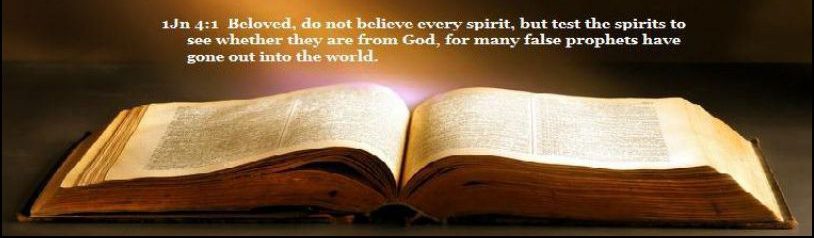








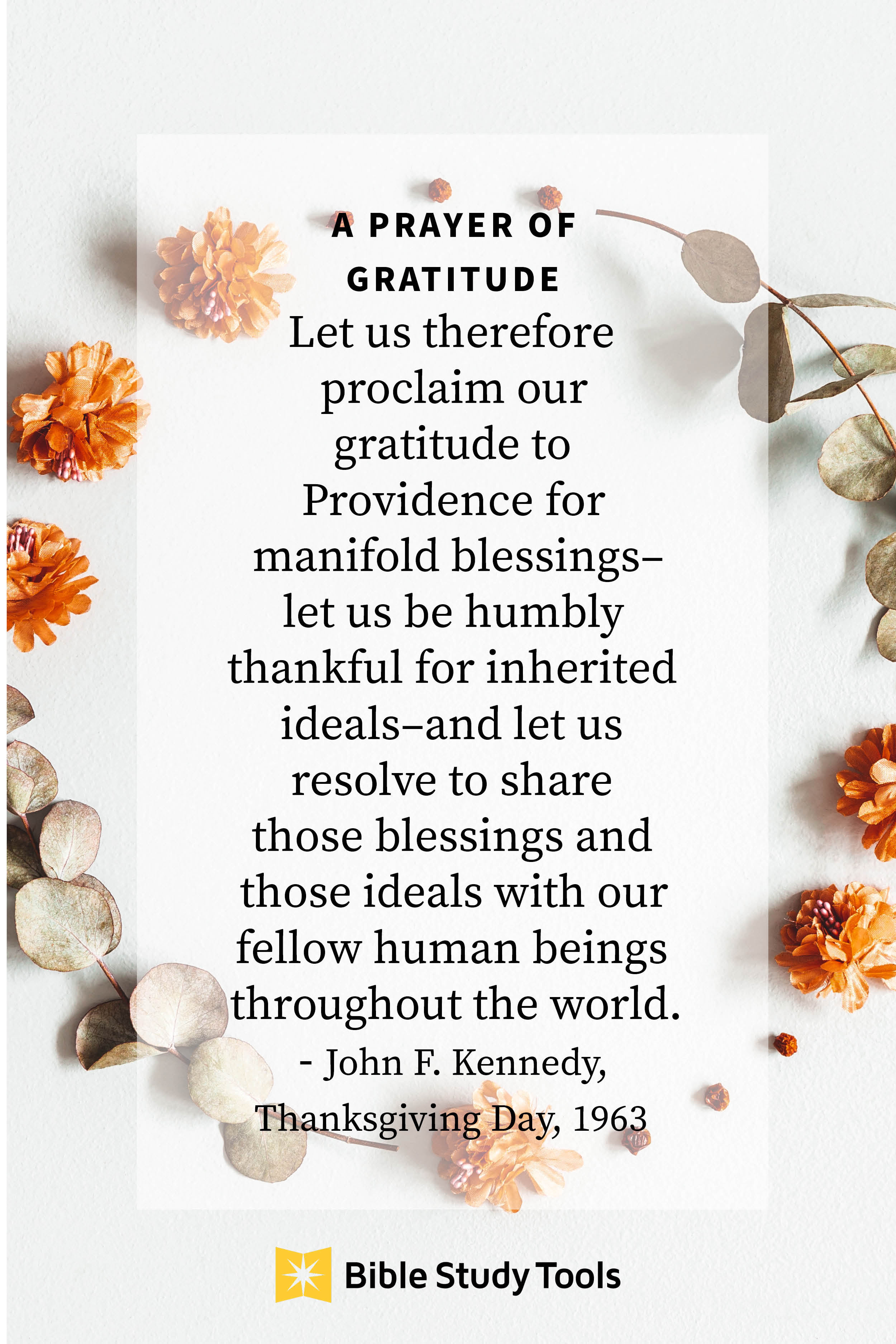
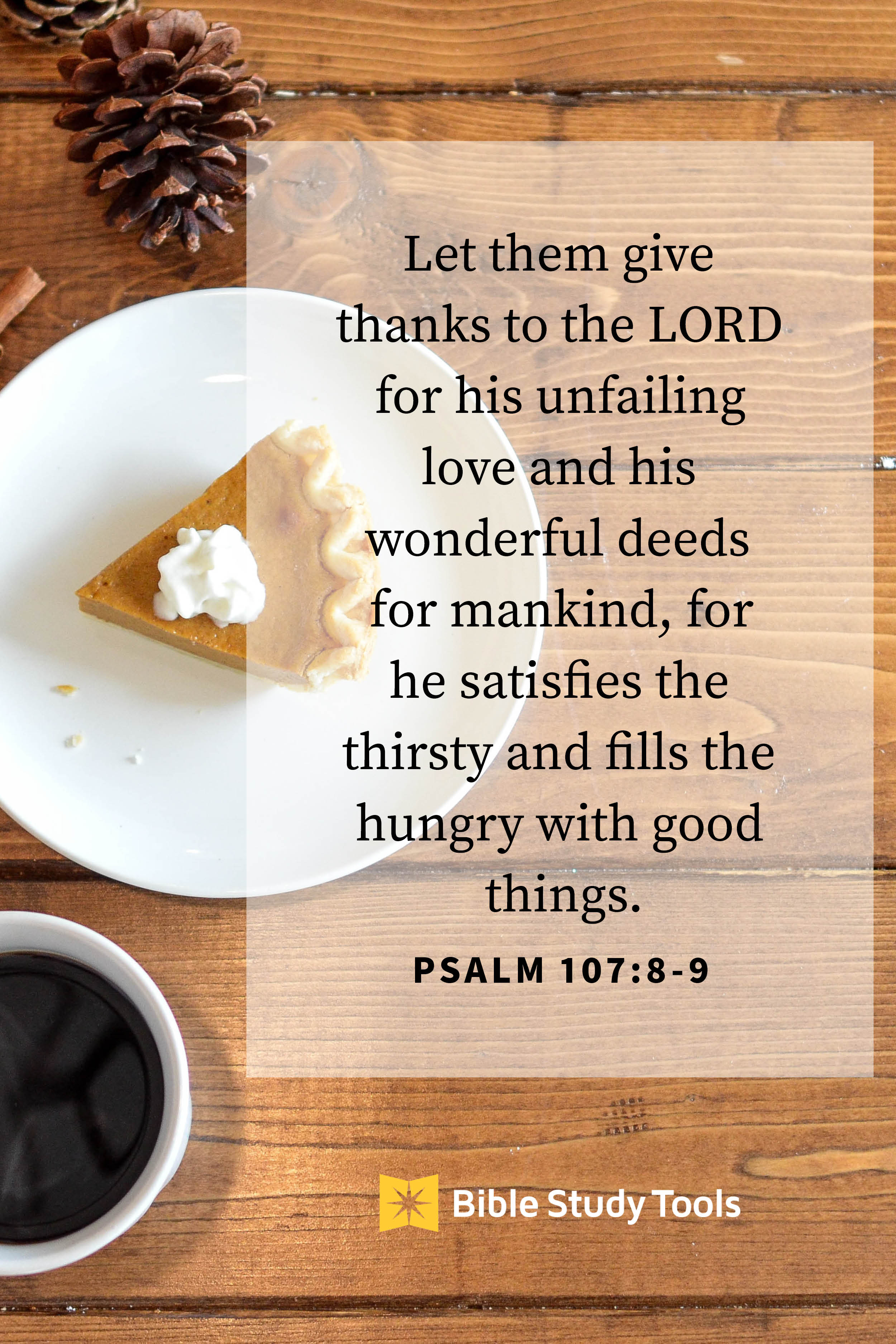





 Truth2Freedom's Blog