There are two ways to be fooled. One is to believe what isn’t true; the other is to refuse to believe what is true. —Soren Kierkegaard. "…truth is true even if nobody believes it, and falsehood is false even if everybody believes it. That is why truth does not yield to opinion, fashion, numbers, office, or sincerity–it is simply true and that is the end of it" – Os Guinness, Time for Truth, pg.39. “He that takes truth for his guide, and duty for his end, may safely trust to God’s providence to lead him aright.” – Blaise Pascal. "There is but one straight course, and that is to seek truth and pursue it steadily" – George Washington letter to Edmund Randolph — 1795. We live in a “post-truth” world. According to the dictionary, “post-truth” means, “relating to or denoting circumstances in which objective facts are less influential in shaping public opinion than appeals to emotion and personal belief.” Simply put, we now live in a culture that seems to value experience and emotion more than truth. Truth will never go away no matter how hard one might wish. Going beyond the MSM idealogical opinion/bias and their low information tabloid reality show news with a distractional superficial focus on entertainment, sensationalism, emotionalism and activist reporting – this blogs goal is to, in some small way, put a plug in the broken dam of truth and save as many as possible from the consequences—temporal and eternal. "The further a society drifts from truth, the more it will hate those who speak it." – George Orwell “There are two ways to be fooled. One is to believe what isn’t true; the other is to refuse to believe what is true.” ― Soren Kierkegaard
Go, eat your food with gladness, and drink your wine with a joyful heart, for it is now that God favors what you do.
Ecclesiastes 9:7
Verse 7 is a most remarkable verse, because there is a statement in it of what we call in the New Testament the New Covenant, God’s new provision for living. It is clear from the New Testament that God has given us a gift of approval, of righteousness. Because we already have that by faith, we are freed, and no longer do we have to struggle vainly to try to please God; we live in a way that does please Him because we have already been accepted and approved by Him.
Notice how clearly that is stated here in verse 7: Go, eat your food with gladness, and drink your wine with a joyful heart, for it is now that God favors what you do. This is recognition, even in the Old Testament, of a relationship of righteousness that has already been established. It is true that basis was laid in our Lord’s coming into this world and in His subsequent death and resurrection. Yet it is applied to all the people in the Old Testament, as well as in the New, who had faith in what God declared, who believed His Word and thus were given the gift of righteousness just as we are. Here the Searcher faces that as the real basis for life. If you want to find significance in your life, if you want to find deep meaning, peace, and contentment, this is the basis of it: Believe what God has given you already, and then, on that basis, live your life to the full. Fill it with all that is of value, reason, and worth.
White garments are a symbol in Scripture of practical righteousness, of good deeds being done that flow out of this new relationship that is already true. Oil is always the symbol of the Holy Spirit at work, so don’t let oil be lacking on your head. Thus, here is a life filled with the Spirit, full of good works, flowing out of the realization that God already accepts us. That is the new basis for living. That is what Paul is talking about in Romans: For sin shall not be your master, because you are not under law [with its demand that you measure up before God will accept you], but under grace [with its marvelous provision of righteousness as a gift] (Romans 6:14). It is yours for the taking though you do not deserve it, and by it you are rendered fully accepted and loved by God.
So right living follows that, and Solomon encourages us to live a normal life. Enjoy life with the wife whom you love all your days. God ordained marriage for that reason, and it is right to enjoy the fullness of marriage. And then enjoy your God-given work. Work is not something we are forced to do in order to keep alive. Work is a blessing. Do it with all your might. Do not just get through it the best you can so you can get home and start enjoying yourself. Many of us live that way, but that is not the biblical way. The biblical approach is that work is given to you as a gift of God, so enjoy it.
Do we live like this? We who are Christians, we who know the reality of the gift of righteousness and have discovered the secret of contentment, of being able to handle even difficult conditions because of the joy that God imparts to us by His presence within, have we begun to live this way?
Teach me to live this way, Lord, allowing You to fill all the empty places of my life and enjoying the many gifts that you give.
God has been broken over my whoring heart and my eyes that have gone whoring after my idols. Ezekiel 6:9(ESV)
I have put him to the test, and to the proof, and grieved him in the wilderness; Psalm 95:9-10(ESV) have rebelled, and grieved his Holy Spirit, Isaiah 63:10(ESV) and pressed him down with my iniquities, as a cart full of sheaves presses down. Amos 2:13(ESV)
I have grieved the Holy Spirit of God, by whom I was sealed for the day of redemption. Ephesians 4:30(ESV)
The damage which by sin I have done to my own soul and its great interests.
My own evil has chastised me, and my apostasy has reproved me; and I cannot but know and see that it is evil and bitter for me to forsake the LORD my God, and that his fear has not been in me. Jeremiah 2:19(ESV)
Matthew 27:65-66 In this week’s lessons we note the futility of those who tried to keep shut the tomb that was soon going to be empty, and of the need for everyone to submit to the risen Lord Jesus Christ.
Theme
An Inescapable Surrender
I wonder if you have been confronted by the power of that resurrection. The chief priests and Pharisees tried to secure their ecclesiastical world against Jesus. Saul tried to secure his religious traditions and life. Satan had been trying to secure his evil kingdom. Perhaps you too have been trying to secure your own way of doing things or your own values or your own mastery of your time. You have heard Christ’s Gospel, but you have tried to keep it politely in its place. Jesus is not that easily contained. You push Him back, but He comes forward again. You banish Him but He intrudes when you are least expecting it.
What are you going to do against the resurrection power of the One whom so many millions call Lord? How are you going to make yourself secure against Jesus?
Let me suggest what you can do. You can begin with activity. That should not be too difficult in our country and in our time. Our world seems preoccupied with activity and even rewards those who are busiest. If you are busy enough you will not have time to think. Fill your time. Schedule your idle hours. Take a class in art or foreign languages or computers or aerobics or any one of a thousand other things. Then you will not have time to go to Bible study. You can claim that you are too busy when a Christian friend invites you. Play golf or racket ball on Sundays, or join a group that rehearses during the Sunday morning hours. Then you will not have to go to church. Above all, fill your evenings with television programs or even reading the latest, best-selling, most-talked-about novel or non-fiction work. Then you will not have to read the Bible, through which Jesus most customarily speaks to souls.
Second, you can fill your life with pleasure, particularly if it is of a sinful kind. Jesus is the sinless Son of God, and sin will keep you from Him. Fill your life with sin’s pleasures. Yes, that’s it. Fill it with pleasures. Make it as secure as you can against Jesus. You will be safe from Christ then.
I have one more suggestion. You can become religious. Religion is a great defense against true godliness. But if you take this course, I suggest that you do not learn too much about Christianity. The content of the faith concerns Jesus. Instead, submerse yourself in ceremony. Do things not because they are meaningful—you might have to think about the meaning—but for tradition’s sake, or for mere aesthetics. Yes, that will help. Go, make your life as secure as you can with religion. Attach your seals. Post your guards! Erect your barricades!
Alas, I am afraid it will not be enough. Jesus has broken seals before. He has scattered countless guards. What will you do when light bursts forth from heaven and the voice asks you, “Saul, or John, or Mary, or Albert, or Susan, why do you persecute me?” What will you do when the tomb springs open and Jesus of Nazareth confronts you in his resurrection splendor?
I’ll tell you what I would do. I would give up fighting. I would lay down my seals and stones and guards and feverish activity. I would lay aside my sins. I would fall down before Him and say, as Thomas did, “My Lord and my God.” Then He will make you His, and He will tell you what you are to do and be for His sake.
Study Questions
List and describe the three approaches given that people take in order to try to secure themselves against Christ.
What other approaches can you think of?
Application
Application: Have you or someone you know been confronted by the power of the resurrection, and yet has been trying to seal it up by ignoring its authority and demands? What needs to happen next in response to the weight of significance of this greatest of historical events?
For Further Study: To look deeper into how religion can actually keep you from truly knowing God, download for free and listen to James Boice’s message from the book of Amos, “How God Views Religion.” (Discount will be applied at checkout.)
Have you ever wanted advice on how to do something, whether it was to fix an electrical outlet or lose a few pounds? It is easy to find instructional videos on the internet. But if we spend hours watching someone tell us what to do, and then fail to follow their instructions, we won’t accomplish anything.James’s readers were people who loved the revelation of God as it was preserved in the Old Testament. These believers were inheritors of the Law of Moses and children of Israel. They understood that God revealed Himself in His Word, and they valued that revelation. But God’s revelation also included instruction for people to obey. God wants those who love Him to behave like Him. In his letter, James addresses those who read God’s Word but fail to do what it says.If you listened to the Word (which at that time was often read publicly), but didn’t do what it says, James explained that you are deceived (v. 22)! The Word of God was not meant to be merely listened to but obeyed. To illustrate the point, James considers a person who looks in a mirror, but after noticing that they need to change their appearance, just walks away and ignores the sight. Of note are those who “do not keep a tight rein on their tongues” (v. 26). Again, James uses the same word “deceived.”A mirror reveals what needs to be changed. But what it shows is only valuable if a change is made. So it is, explains James, with the Word of God. He describes God’s Word as the “perfect law” (v. 25). Blessing comes when we do not just listen and then forget what it says but actually do it!
Go Deeper Are you a good listener, but a not-so- good doer? What is something you have learned from God’s Word that you need to act on? Extended Reading:James
Pray with Us Father, may we heed James’s exhortation to do what Your Word says and not just hear it. May we change and grow in You every time we look into the mirror of Your Word and obey You.
In the beginning was the Word, and the Word was with God, and the Word was God. He was in the beginning with God. All things came into being through Him, and apart from Him nothing came into being that has come into being. In Him was life, and the life was the Light of men. The Light shines in the darkness, and the darkness did not comprehend it. (1:1–5)
The opening section of John’s gospel expresses the most profound truth in the universe in the clearest terms. Though easily understood by a child, John’s Spirit-inspired words convey a truth beyond the ability of the greatest minds in human history to fathom: the eternal, infinite God became a man in the person of the Lord Jesus Christ. The glorious, incontrovertible truth that in Jesus the divine “Word became flesh” (1:14) is the theme of John’s gospel. The deity of the Lord Jesus Christ is an essential, nonnegotiable tenet of the Christian faith. Several lines of biblical evidence flow together to prove conclusively that He is God. First, the direct statements of Scripture affirm that Jesus is God. In keeping with his emphasis on Christ’s deity, John records several of those statements. The opening verse of his gospel declares, “the Word [Jesus] was God” (see the discussion of this verse later in this chapter). In John’s gospel Jesus repeatedly assumed for Himself the divine name “I am” (cf. 4:26; 8:24, 28, 58; 13:19; 18:5, 6, 8). In 10:30, He claimed to be one in nature and essence with the Father (that the unbelieving Jews recognized this as a claim to deity is clear from their reaction in v. 33; cf. 5:18). Nor did Jesus correct Thomas when he addressed Him as “My Lord and my God!” (20:28); in fact, He praised him for his faith (v. 29). Jesus’ reaction is inexplicable if He were not God. To the Philippians Paul wrote, “[Jesus] existed in the form of God,” possessing absolute “equality with God” (Phil. 2:6). In Colossians 2:9 he declared, “For in Him all the fullness of Deity dwells in bodily form.” Romans 9:5 refers to Christ as “God blessed forever”; Titus 2:13 and 2 Peter 1:1 call Him “our God and Savior.” God the Father addressed the Son as God in Hebrews 1:8: “Your throne, O God, is forever and ever, and the righteous scepter is the scepter of His kingdom.” In his first epistle John referred to Jesus Christ as “the true God” (1 John 5:20). Second, Jesus Christ receives titles elsewhere in Scripture given to God. As noted above, Jesus took for Himself the divine name “I am.” In John 12:40 John quoted Isaiah 6:10, a passage which in Isaiah’s vision refers to God (cf. Isa. 6:5). Yet in verse 41 John declared, “These things Isaiah said because he saw His [Christ’s; cf. vv. 36, 37, 42] glory, and he spoke of Him.” Jeremiah prophesied that the Messiah would be called “The Lord [YHWH] our righteousness” (Jer. 23:6). God and Jesus are both called Shepherd (Ps. 23:1—John 10:14); Judge (Gen. 18:25—2 Tim. 4:1, 8); Holy One (Isa. 10:20—Ps. 16:10; Acts 2:27; 3:14); First and Last (Isa. 44:6; 48:12—Rev. 1:17; 22:13); Light (Ps. 27:1—John 8:12); Lord of the Sabbath (Ex. 16:23, 29; Lev. 19:3—Matt. 12:8); Savior (Isa. 43:11—Acts 4:12; Titus 2:13); Pierced One (Zech. 12:10—John 19:37); Mighty God (Isa. 10:21—Isa. 9:6); Lord of lords (Deut. 10:17—Rev. 17:14); Alpha and Omega (Rev. 1:8—Rev. 22:13); Lord of Glory (Ps. 24:10—1 Cor. 2:8); and Redeemer (Isa. 41:14; 48:17; 63:16—Eph. 1:7; Heb. 9:12). Third, Jesus Christ possesses the incommunicable attributes of God, those unique to Him. Scripture reveals Christ to be eternal (Mic. 5:2; Isa. 9:6), omnipresent (Matt. 18:20; 28:20), omniscient (Matt. 11:27; John 16:30; 21:17), omnipotent (Phil. 3:21), immutable (Heb. 13:8), sovereign (Matt. 28:18), and glorious (John 17:5; 1 Cor. 2:8; cf. Isa. 42:8; 48:11, where God states that He will not give His glory to another). Fourth, Jesus Christ does the works that only God can do. He created all things (John 1:3; Col. 1:16), sustains the creation (Col. 1:17; Heb. 1:3), raises the dead (John 5:21; 11:25–44), forgives sin (Mark 2:10; cf. v. 7), and His word stands forever (Matt. 24:35; cf. Isa. 40:8). Fifth, Jesus Christ received worship (Matt. 14:33; 28:9; John 9:38; Phil. 2:10; Heb. 1:6)—even though He taught that only God is to be worshiped (Matt. 4:10). Scripture also records that both holy men (Acts 10:25–26) and holy angels (Rev. 22:8–9) refused worship. Finally, Jesus Christ received prayer, which is only to be addressed to God (John 14:13–14; Acts 7:59–60; 1 John 5:13–15). Verses 1–18, the prologue to John’s presentation of the deity of Christ, are a synopsis or overview of the entire book. John clearly defined his purpose in writing his gospel in 20:31—that his readers “may believe that Jesus is the Christ, the Son of God; and that believing [they] may have life in His name.” John revealed Jesus Christ as “the Son of God,” the eternal second person of the Trinity. He became a man, the “Christ” (Messiah), and offered Himself as a sacrifice for sins. Those who put their faith in Him will “have life in His name,” while those who reject Him will be judged and sentenced to eternal punishmnt. The reality that Jesus is God, introduced in the prologue, is expounded throughout the book by John’s careful selection of claims and miracles that seal the case. Verses 1–3 of the prologue teach that Jesus is co-equal and co-eternal with the Father; verses 4–5 relate the salvation He brought, which was announced by His herald, John the Baptist (vv. 6–8); verses 9–13 describe the reaction of the human race to Him, either rejection (vv. 10–11) or acceptance (vv. 12–13); verses 14–18 summarize the entire prologue. The prologue also introduces several key terms that appear throughout the book, including light (3:19–21; 8:12; 9:5; 12:35–36, 46), darkness (3:19; 8:12; 12:35, 46), life (3:15–16, 36; 4:14, 36; 5:21, 24, 26, 39–40; 6:27, 33, 35, 40, 47–48, 51, 53–54, 63, 68; 8:12; 10:10, 28; 11:25; 12:25, 50; 14:6; 17:2, 3; 20:31), witness (or testify; 2:25; 3:11; 5:31, 36, 39; 7:7; 8:14; 10:25; 12:17; 15:26–27; 18:37), glory (2:11; 5:41, 44; 7:18; 8:50, 54; 11:4, 40; 12:41; 17:5, 22, 24), and world (3:16–17, 19; 4:42; 6:14, 33, 51; 7:7; 8:12, 23, 26; 9:5, 39; 10:36; 11:27; 12:19, 31, 46–47; 13:1; 14:17, 19, 22, 27, 30–31; 15:18–19; 16:8, 11, 20, 28, 33; 17:5–6, 9, 11, 13–16, 18, 21, 23–25; 18:36–37). From the first five verses of John’s gospel prologue flow three evidences of the deity of the incarnate Word, Jesus Christ: His preexistence, His creative power, and His self-existence.
THE PREEXISTENCE OF THE WORD
In the beginning was the Word, and the Word was with God, and the Word was God. He was in the beginning with God. (1:1–2)
Archē (beginning) can mean “source,” or “origin” (cf. Col. 1:18; Rev. 3:14);or “rule,” “authority,” “ruler,” or “one in authority” (cf. Luke 12:11; 20:20; Rom. 8:38; 1 Cor. 15:24; Eph. 1:21; 3:10; 6:12; Col. 1:16; 2:10, 15; Titus 3:1). Both of those connotations are true of Christ, who is both the Creator of the universe (v. 3; Col. 1:16; Heb. 1:2) and its ruler (Col. 2:10; Eph. 1:20–22; Phil. 2:9–11). But archē refers here to the beginning of the universe depicted in Genesis 1:1. Jesus Christ was already in existence when the heavens and the earth were created; thus, He is not a created being, but existed from all eternity. (Since time began with the creation of the physical universe, whatever existed before that creation is eternal.) “The Logos [Word] did not then begin to be, but at that point at which all else began to be, He already was. In the beginning, place it where you may, the Word already existed. In other words, the Logos is before time, eternal.” (Marcus Dods, “John” in W. Robertson Nicoll, ed. The Expositors’ Bible Commentary [Reprint; Peabody, Mass.: Hendrickson, 2002], 1:683. Emphasis in original.). That truth provides definitive proof of Christ’s deity, for only God is eternal. The imperfect tense of the verb eimi (was), describing continuing action in the past, further reinforces the eternal preexistence of the Word. It indicates that He was continuously in existence before the beginning. But even more significant is the use of eimi instead of ginomai (“became”). The latter term refers to things that come into existence (cf. 1:3, 10, 12, 14). Had John used ginomai, he would have implied that the Word came into existence at the beginning along with the rest of creation. But eimi stresses that the Word always existed; there was never a point when He came into being. The concept of the Word (logos) is one imbued with meaning for both Jews and Greeks. To the Greek philosophers, the logos was the impersonal, abstract principle of reason and order in the universe. It was in some sense a creative force, and also the source of wisdom. The average Greek may not have fully understood all the nuances of meaning with which the philosophers invested the term logos. Yet even to laymen the term would have signified one of the most important principles in the universe. To the Greeks, then, John presented Jesus as the personification and embodiment of the logos. Unlike the Greek concept, however, Jesus was not an impersonal source, force, principle, or emanation. In Him, the true logos who was God became a man—a concept foreign to Greek thought. But logos was not just a Greek concept. The word of the Lord was also a significant Old Testament theme, well-known to the Jews. The word of the Lord was the expression of divine power and wisdom. By His word God introduced the Abrahamic covenant (Gen. 15:1), gave Israel the Ten Commandments (Ex. 24:3–4; Deut. 5:5; cf. Ex. 34:28; Deut. 9:10), attended the building of Solomon’s temple (1 Kings 6:11–13), revealed God to Samuel (1 Sam. 3:21), pronounced judgment on the house of Eli (1 Kings 2:27), counseled Elijah (1 Kings 19:9ff.), directed Israel through God’s spokesmen (cf. 1 Sam. 15:10ff.; 2 Sam. 7:4ff.; 24:11ff.; 1 Kings 16:1–4; 17:2–4., 8ff.; 18:1; 21:17–19; 2 Chron. 11:2–4), was the agent of creation (Ps. 33:6), and revealed Scripture to the prophets (Jer. 1:2; Ezek. 1:3; Dan. 9:2; Hos. 1:1; Joel 1:1; Jonah 1:1; Mic. 1:1; Zeph. 1:1; Hag. 1:1; Zech. 1:1; Mal. 1:1). John presented Jesus to his Jewish readers as the incarnation of divine power and revelation. He initiated the new covenant (Luke 22:20; Heb. 9:15; 12:24), instructs believers (John 10:27), unites them into a spiritual temple (1 Cor. 3:16–17; 2 Cor. 6:16; Eph. 2:21), revealed God to man (John 1:18; 14:7–9), judges those who reject Him (John 3:18; 5:22), directs the church through those whom He has raised up to lead it (Eph. 4:11–12; 1 Tim. 5:17; Titus 1:5; 1 Peter 5:1–3), was the agent of creation (John 1:3; Col. 1:16; Heb. 1:2), and inspired the Scripture penned by the New Testament writers (John 14:26) through the Holy Spirit whom He sent (John 15:26). As the incarnate Word, Jesus Christ is God’s final word to mankind: “God, after He spoke long ago to the fathers in the prophets in many portions and in many ways, in these last days has spoken to us in His Son” (Heb. 1:1–2). Then John took his argument a step further. In His eternal preexistence the Word was with God. The English translation does not bring out the full richness of the Greek expression (pros ton theon). That phrase means far more than merely that the Word existed with God; it “[gives] the picture of two personal beings facing one another and engaging in intelligent discourse” (W. Robert Cook, The Theology of John [Chicago: Moody, 1979], 49). From all eternity Jesus, as the second person of the trinity, was “with the Father [pros ton patera]” (1 John 1:2) in deep, intimate fellowship. Perhaps pros ton theon could best be rendered “face-to-face.” The Word is a person, not an attribute of God or an emanation from Him. And He is of the same essence as the Father. Yet in an act of infinite condescension, Jesus left the glory of heaven and the privilege of face-to-face communion with His Father (cf. John 17:5). He willingly “emptied Himself, taking the form of a bond-servant, and being made in the likeness of men.… He humbled Himself by becoming obedient to the point of death, even death on a cross” (Phil. 2:7–8). Charles Wesley captured some of the wonder of that marvelous truth in the familiar hymn “And Can It Be That I Should Gain?”:
  He left His Father’s throne above,
  So free, so infinite His grace!
  Emptied Himself of all but love,
  And bled for Adam’s helpless race.
  Amazing love! How can it be
  That Thou, my God, shouldst die for me?
  Amazing love! How can it be
  That Thou, my God, shouldst die for me?
John’s description of the Word reached its pinnacle in the third clause of this opening verse. Not only did the Word exist from all eternity, and have face-to-face fellowship with God the Father, but also the Word was God. That simple statement, only four words in both English and Greek (theos ēn ho logos), is perhaps the clearest and most direct declaration of the deity of the Lord Jesus Christ to be found anywhere in Scripture. But despite their clarity, heretical groups almost from the moment John penned these words have twisted their meaning to support their false doctrines concerning the nature of the Lord Jesus Christ. Noting that theos (God) is anarthrous (not preceded by the definite article), some argue that it is an indefinite noun and mistranslate the phrase, “the Word was divine” (i.e., merely possessing some of the qualities of God) or, even more appalling, “the Word was a god.” The absence of the article before theos, however, does not make it indefinite. Logos (Word) has the definite article to show that it is the subject of the sentence (since it is in the same case as theos). Thus the rendering “God was the Word” is invalid, because “the Word,” not “God,” is the subject. It would also be theologically incorrect, because it would equate the Father (“God” whom the Word was with in the preceding clause) with the Word, thus denying that the two are separate persons. The predicate nominative (God) describes the nature of the Word, showing that He is of the same essence as the Father (cf. H. E. Dana and Julius R. Mantey, A Manual Grammar of the Greek New Testament [Toronto: MacMillan, 1957], 139–40; A. T. Robertson, The Minister and His Greek New Testament [Reprint: Grand Rapids: Baker, 1978], 67–68). According to the rules of Greek grammar, when the predicate nominative (God in this clause) precedes the verb, it cannot be considered indefinite (and thus translated “a god” instead of God) merely because it does not have the article. That the term God is definite and refers to the true God is obvious for several reasons. First, theos appears without the definite article four other times in the immediate context (vv. 6, 12, 13, 18; cf. 3:2, 21; 9:16; Matt. 5:9). Not even the Jehovah’s Witnesses’ distorted translation of the Bible renders the anarthrous theos “a god” in those verses. Second, if John’s meaning was that the Word was divine, or a god, there were ways he could have phrased it to make that unmistakably clear. For example, if he meant to say that the Word was merely in some sense divine, he could have used the adjective theios (cf. 2 Peter 1:4). It must be remembered that, as Robert L. Reymond notes, “No standard Greek lexicon offers ‘divine’ as one of the meanings of theos, nor does the noun become an adjective when it ‘sheds’ its article” (Jesus, Divine Messiah [Phillipsburg, N.J.: Presb. & Ref., 1990], 303). Or if he had wanted to say that the Word was a god, he could have written ho logos ēn theos. If John had written ho theos ēn ho logos, the two nouns (theos and logos) would be interchangeable, and God and the Word would be identical. That would have meant that the Father was the Word, which, as noted above, would deny the Trinity. But as Leon Morris asks rhetorically, “How else [other than theos ēn ho logos] in Greek would one say, ‘the Word was God’?” (The Gospel According to John, The New International Commentary on the New Testament [Grand Rapids: Eerdmans, 1979], 77 n. 15). Under the inspiration of the Holy Spirit, John chose the precise wording that accurately conveys the true nature of the Word, Jesus Christ. “By theos without the article, John neither indicates, on the one hand, identity of Person with the Father; nor yet, on the other, any lower nature than that of God Himself” (H. A. W. Meyer, Critical and Exegetical Hand-Book to the Gospel of John [Reprint; Winona Lake, Ind.: Alpha, 1979], 48). Underscoring their significance, John restated the profound truths of verse 1 in verse 2. He emphasized again the eternity of the Word; He already was in existence in the beginning when everything else was created. As it did in verse 1, the imperfect tense of the verb eimi (was) describes the Word’s continuous existence before the beginning. And as John also noted in verse 1, that existence was one of intimate fellowship with God the Father. The truth of Jesus Christ’s deity and full equality with the Father is a nonnegotiable element of the Christian faith. In 2 John 10 John warned, “If anyone comes to you and does not bring this teaching [the biblical teaching concerning Christ; cf. vv. 7, 9], do not receive him into your house, and do not give him a greeting.” Believers are not to aid heretical false teachers in any way, including giving those who have blasphemed Christ food and lodging, since the one who does so “participates in [their] evil deeds” (v. 11). Such seemingly uncharitable behavior is perfectly justified toward false teachers who deny the deity of our Lord and the gospel, since they are under God’s curse:
There are some who are disturbing you and want to distort the gospel of Christ. But even if we, or an angel from heaven, should preach to you a gospel contrary to what we have preached to you, he is to be accursed! As we have said before, so I say again now, if any man is preaching to you a gospel contrary to what you received, he is to be accursed! (Gal. 1:7–9)
Emphasizing their deadly danger, both Paul (Acts 20:29) and Jesus (Matt. 7:15) described false teachers as wolves in disguise. They are not to be welcomed into the sheepfold, but guarded against and avoided. Confusion about the deity of Christ is inexcusable, because the biblical teaching regarding it is clear and unmistakable. Jesus Christ is the eternally preexistent Word, who enjoys full face-to-face communion and divine life with the Father, and is Himself God.
MacArthur, J. F., Jr. (2006). John 1–11 (pp. 13–20). Moody Press.
Introducing John’s Gospel
John 1:1
In the beginning was the Word, and the Word was with God, and the Word was God.
The Gospel of John has blessed the hearts of God’s people through the centuries. It has been called “God’s love letter to the world.” Luther wrote of it, “This is the unique, tender, genuine chief Gospel.… Should a tyrant succeed in destroying the Holy Scriptures and only a single copy of the Epistle to the Romans and the Gospel according to John escape him, Christianity would be saved.” Luther must have especially loved the Gospel because he preached on it for many years from the pulpit of the parish church of Wittenberg. Some of the most widely known and best-loved texts in the Word of God are from this Gospel—John 3:16: “For God so loved the world that he gave his one and only Son, that whoever believes in him shall not perish but have eternal life”; John 6:35: “I am the bread of life. He who comes to me will never go hungry, and he who believes in me will never be thirsty”; John 10:11: “I am the good shepherd”; John 11:25: “I am the resurrection and the life”; John 15:1: “I am the true vine.” There is the beloved fourteenth chapter: “Do not let your hearts be troubled. Trust in God; trust also in me. In my Father’s house are many rooms; if it were not so, I would have told you. I am going there to prepare a place for you. And if I go and prepare a place for you, I will come back, and take you to be with me that you may also be where I am. You know the way to the place where I am going.… I am the way and the truth and the life. No one comes to the Father except through me” (John 14:1–4, 6). Because of these and other passages, it is not surprising that the Gospel of John has been a source of blessing to untold generations of God’s people. It has probably been the means by which more persons have come to know Jesus Christ as their Savior and Lord than any other single portion of Scripture.
A Unique Gospel
But the Gospel of John is merely one of four Gospels—Matthew, Mark, Luke, and John—all of which tell of the life of Jesus Christ on earth. So we need to ask: What makes this Gospel unique? What makes John different? As one begins to read it, he soon notices some very obvious differences. Because of their similarities, Matthew, Mark, and Luke are called the synoptic Gospels; the three look at the life of Christ from similar viewpoints and employ similar and, at times, even identical language. John stands apart. In the first place, John omits many things that either one or more than one of the synoptic Gospels include. John gives no account of Christ’s birth. There is no mention of his baptism, although John clearly presupposes a knowledge of Christ’s baptism on the part of his readers. The institution of the Lord’s Supper is not included. There is no ascension. What is perhaps most striking of all, there are no parables, those pithy sayings of Jesus that occupy such a prominent place in the other accounts of Christ’s teachings. At the same time John shows a detailed knowledge of things that the other Gospels omit. For instance, John reports on an early ministry of Jesus in Judea. He indicates that the duration of Christ’s ministry was close to three years, not one year, which is the impression one gets from reading the synoptic Gospels. John alone speaks of the changing of the water into wine at Cana. He alone tells of Nicodemus, of the woman of Samaria, of the raising of Lazarus. Only in John do we find the great discourses spoken by Jesus to his own disciples during the final week in Jerusalem.
Johannine Scholarship
It is probably because John is so different (and so spiritual) that some scholars have attacked this book strongly. Otherwise, it seems strange that this Gospel, which has been such a blessing to Christian people, should become the outstanding example among the New Testament books of what a section of God’s Word can suffer at the hands of the higher critics of the Scriptures. One would have thought that the historical accuracy and apostolic authorship of John would have been defended stoutly. But this has not been the case until recently. Instead there had been a generation of scholarship (not so many years ago) that thought that John was not at all reliable. In this period all but the most conservative scholars said that the Gospel must have been written at least 150 or even 200 years after Christ’s death. Many placed it in a literary category of its own as being something very much like theological fiction. Today this is no longer true. There has been a remarkable change in the scholarly climate surrounding John’s Gospel, with the result that it is becoming increasingly inadequate to deny the Johannine authorship. A new claim is even being made for the reliability of the Gospel as history. Moreover, this claim has come about, not because the scholarly world itself is becoming more conservative but because the evidence for the reliability of John has simply overshadowed the most destructive of the academic theories. Thus today men of such academic stature as Oscar Cullmann of the University of Basel, Switzerland, and John A. T. Robinson of England argue that the Gospel may well embody the testimony of a genuine eyewitness, as it claims. And some, like the late Near Eastern archaeologist William F. Albright, are willing to date the book in the A.D. 60s, that is, within thirty or forty years of Christ’s death and resurrection. At this point someone may say, “What has produced such a turnabout in the ways these men view the Gospel?” It is a good question. The answers to it are significant. First, many ancient manuscripts and parchments of John or parts of John have been discovered, and these have pushed back the dating of the book. For a long time, before the great harvest of archaeological discoveries in the late nineteenth and early twentieth centuries, the earliest copies of the fourth Gospel were from the fourth century, about A.D. 325 to 340. While this was much more impressive than any manuscript evidence for other ancient writings—for instance, the earliest manuscripts of Homer’s verses were written about 2,000 years after his death—nevertheless, it gave scholars liberty enough to date John so late that it could not have been written by anyone who knew Jesus or even by anyone who could have known those who had known him. The discovery of more ancient manuscripts has changed this. One ancient scrap of papyrus, which was originally found in Egypt as part of the wrapping of a mummy and is now part of the papyrus collection at the John Rylands Library in Manchester, England, alone destroys these theories. This piece of papyrus contains just a few verses of John 18 (vv. 31–34, 37, 38). But it dates from the first quarter of the second century—in other words, less than one hundred years after Christ—and thus shows that John’s Gospel had been written early enough to have had a copy pass to Egypt to be used there and then to be discarded by the year A.D. 125. This is conclusive evidence for a fairly early dating of the Gospel.
The Dead Sea Scrolls
The second major factor in a reassessment of the dating and historical accuracy of John’s Gospel has been the discovery of the Dead Sea Scrolls. These were uncovered in 1947 and the years immediately following, but the impact of their discovery is continuing even now as the scrolls are being unrolled, assembled, translated, and published. Before the scrolls were discovered, scholars evaluated the differences between John and the synoptic Gospels in a way that was highly unfavorable to John. For instance, they noticed the unique language of John’s Gospel, with its contrasts between light and darkness, life and death, the world below and the world above, and so on. They noticed that the contrasts were generally lacking in Matthew, Mark, and Luke. “Well,” they said, “it is obvious that the first three Gospels are Jewish and reflect a Jewish setting. But it is also obvious that John’s work is not. John’s Gospel must come from a Greek setting. Therefore, we must seek the origin of these unique terms not in the actual speech of Jesus of Nazareth but in Greek thought and particularly in Hellenistic Gnosticism.” Then the Dead Sea Scrolls were discovered. These revealed a whole world of nonconformist Judaism that had simply not been known to scholars previously. The home of the scrolls was Qumran, not far from Jerusalem, in the very area where John placed the earliest events of Christ’s ministry. And what was most significant, the literature revealed the same use of the so-called Greek terms (logos, light, darkness, life, death) that are found in John’s Gospel and actually provided a far closer parallel to them. One scholar, A. M. Hunter of Aberdeen University in Scotland, writes of these discoveries: “The dualism which pervades the Johannine writings is of precisely the same kind as we discover in the Dead Sea Scrolls.” John A. T. Robinson writes: “I detect a growing readiness to recognize that this [the historical background of John’s gospel] is not to be sought at the end of the first century or the beginning of the second, in Ephesus or Alexandria, among the Gnostics or the Greeks. Rather, there is no compelling need to let our gaze wander very far, either in space or time, beyond a fairly limited area of southern Palestine in the fairly limited interval between the crucifixion and the fall of Jerusalem.” He adds that the Dead Sea Scrolls “may really represent an actual background, and not merely a possible environment, for the distinctive categories of the Gospel.”
Other Factors
The historical trustworthiness of John’s Gospel is also supported by John’s accurate knowledge of the geography of Palestine. This has been vindicated increasingly by archaeological discoveries. To be sure, John mentions many places that are also mentioned by the synoptic Gospels, so critics could say that these were only known secondhand from their writings. For instance, John could hardly tell the story of Jesus without mentioning Bethsaida (1:44; 12:21), the praetorium (18:28, 33; 19:9), Bethany (11:18), and so on. But John also speaks accurately of Ephraim (11:54), Sychar (4:5, which is probably to be identified with Shechem at Tell Balatah), Solomon’s Porch (10:23), the brook Kidron, which Jesus crossed to reach Gethsemane (18:1), and Bethany beyond Jordan, which John carefully distinguished from the other Bethany near Jerusalem (1:28). All of these places are now known, and John himself has again and again been demonstrated to be accurate. Two archaeological discoveries are particularly interesting. In 5:2, John mentions a pool called Bethesda that, he says, had five porches. For years no one had even heard of this pool. What is more, since John’s description made it sound like a pentagon, and since there had never been any pentagon-shaped pools in antiquity, the existence of this pool was thought by many New Testament scholars to be doubtful. Now, however, approximately fifty to seventy-five feet below the present level of the city of Jerusalem, archaeologists have uncovered a large rectangular pool surrounded by four covered colonnades and having an additional colonnade crossing it in the middle somewhat like a bridge. In other words, there was a pool with five porches, as John said. It is conclusive evidence of John’s accurate knowledge of the city of Jerusalem as it was before its destruction by the Roman general Titus in A.D. 70. The second archaeological discovery involves the probable identification of Aenon near Salim, which John mentions in 3:23, as having “plenty of water” in the Jordan valley. It was obviously the place where John the Baptist found adequate water for his baptizing. These three lines of evidence—the evidence of the manuscripts, the discovery of the Dead Sea Scrolls, and the knowledge of ancient geography—are also supported by other lines of discoveries. There has been an attempt to show that the author of the fourth Gospel (whoever he may have been) must have spoken in Aramaic because, according to those who are experts in this field, Aramaic idiom underlies John’s Gospel. Careful study of the text has convinced other scholars that the material preserved by John may be as old as Pauline theology or the traditions preserved by the Synoptics. Thus, a better knowledge of the author of the fourth Gospel and his times has succeeded in pushing scholars away from the critical postures they once held, and has caused them to admit not only the possibility of apostolic authorship but to speak even more surely of an early and very reliable tradition that underlies and is in fact preserved in the writing of the Gospel.
John’s Purpose
What does this have to do with a study of what is obviously a spiritual Gospel? Just this: John himself insists upon the reliability of the things about which he writes. Take 1 John 1:1, 3 as an example. There John writes, “That which was from the beginning, which we have heard, which we have seen with our eyes, which we have looked at and our hands have touched—this we proclaim concerning the Word of life.… We proclaim to you what we have seen and heard that you also may have fellowship with us. And our fellowship is with the Father and with his Son, Jesus Christ.” In other words, John says that he is writing to them about a person whom he has heard, seen, and touched. Hence, he is writing about something objectively true that will bear the brunt of historical investigation. John sounds the same note in the Gospel: “Jesus did many other miraculous signs in the presence of his disciples, which are not recorded in this book. But these are written that you may believe that Jesus is the Christ, the Son of God, and that by believing you may have life in his name” (John 20:30–31). There are always people who will say that faith is something that must be entirely divorced from evidence. But that is not stated in the Bible. Faith is believing in something or someone on the basis of evidence and then acting upon it. In this case, John has provided evidence for the full deity of Jesus so that readers, whether in his age or ours, might believe it and commit their lives to Jesus as their Savior. In John’s Gospel we have an accurate record of things that were said and done in Palestine almost 2,000 years ago by a Jew named Jesus of Nazareth and that are presented to us as evidence for his extraordinary claims. If one will believe this and approach the record honestly with an open mind, God will use it to bring that person to fullness of faith in the Lord Jesus as God’s Son and his Savior. This was John’s purpose in writing his Gospel. It is my primary purpose in writing these studies. What will happen in your case? It all depends on whether or not you open your mind to John’s teaching. Sometime ago I was talking to a young man who was very critical of Christianity. “Have you investigated the evidence?” I asked him. “What do you mean? How does one do that?” he asked. “Go home this week and begin to read John’s Gospel,” I answered. “But before you begin, take a moment to pray something like this: ‘God, I do not know if you exist or, if you do, whether you hear me. But if you exist and if you hear me, I want you to know that I am an honest seeker after truth. If this Book of John can really speak to me and show me that Jesus is the Son of God and is God, I ask you to prove that to me while I read it. And if you prove it, then I will believe in him and serve him forever.’ ” I told him that if he did that, God would speak to him and that he would be convinced that all the things that are written about Jesus of Nazareth in this book are true and that he is the Son of God and our Savior. The young man went home. I saw him a week later, and I asked, “Did you read the book?” He answered, “Well, I have to admit that there are other things to which I give a higher priority.” Here is another case. A Christian at the University of Pennsylvania entered into a series of Bible studies in John’s Gospel with a young woman who was not a Christian. The two young women went through several chapters where Jesus is declared many times to be God, but none of it clicked with the non-Christian. Suddenly, in the midst of a study of the third chapter of John, and after many weeks of study, the inquiring non-Christian exclaimed, “Why, I see it! Jesus Christ is God! He is God.” That was the turning point, and several weeks later she became a Christian. That is what we are looking for in the following studies of John’s Gospel. Moreover, as that happens, we will also look for a strengthening and encouraging of believers in the service of Jesus of Nazareth, the Son of God and our Lord.
Jesus Christ Is God
John 1:1–2
In the beginning was the Word, and the Word was with God, and the Word was God. He was with God in the beginning.
What do you think of Jesus Christ? Who is he? According to Christianity this is the most important question you or anyone else will ever have to face. It is important because it is inescapable—you will have to answer it sooner or later, in this world or in the world to come—and because the quality of your life here and your eternal destiny depend upon your answer. Who is Jesus Christ? If he was only a man, then you can safely forget him. If he is God, as he claimed to be, and as all Christians believe, then you should yield your life to him. You should worship and serve him faithfully.
Four Gospels
If you are one who has never answered this question personally or if you have assumed (perhaps without much investigation) that Jesus was only a man, then the Gospel of John was written particularly for you. It was written for those who do not yet believe that Jesus Christ is God, to lead them to that conclusion. I do not know which literary critic once said, “A novel without a purpose is like a life without a career. In order to be a story it must have something to say.” But, whoever the author may have been, the statement itself is a correct one. What is more, it is as correct for biblical literature as it is for works by purely human authors. In one sense the Gospel of John has the same purpose as each of the other three Gospels—Matthew, Mark, and Luke. That is, John wishes to present to the reader the earthly life, death, and resurrection of Jesus of Nazareth, a Jew who was born under the reign of Herod the Great and who died when Pontius Pilate was the Roman procurator in Judea. In another sense, however, John has a purpose that is distinctly his own. That purpose is to show that Jesus Christ is God. That is his thesis. To some extent, Matthew’s Gospel portrays the Lord Jesus primarily as the Jewish Messiah. In fact, it is possible to argue that everything that goes into his account of Christ’s life supports that theme. Mark’s purpose is to reveal Jesus Christ as God’s servant. Luke deals with Christ’s humanity. John, however, reveals Jesus as the eternal, preexisting Son of God who became man in order to reveal the Father and to bring men access into eternal life through his historical death and literal resurrection. How do we know that? We know it because John says so. He writes, “Jesus did many other miraculous signs in the presence of his disciples, which are not recorded in this book. But these are written that you may believe that Jesus is the Christ, the Son of God, and that by believing you may have life in his name” (John 20:30–31). Arthur W. Pink, one of the great students of this Gospel, has written, “In this book we are shown that the one who was heralded by the angels to the Bethlehem shepherds, who walked this earth for thirty-three years, who was crucified at Calvary, who rose in triumph from the grave, and who forty days later departed from these scenes, was none other than the Lord of Glory. The evidence for this is overwhelming, the proofs almost without number, and the effect of contemplating them must be to bow our hearts in worship before ‘the great God and our Savior Jesus Christ’ (Titus 2:13).”
John’s Thesis
It is not surprising, therefore, when we turn from the end of John’s Gospel to the beginning, that we find John presenting there the thesis that Jesus Christ is God. I think that John would have done very well in one of our universities today. When you write a paper in a university the best way to do it—although you can be more subtle than this—is to say in your opening paragraph what it is that you are setting out to prove, then prove it, and when you get to the end, sum it all up and say, “See, I did it. It’s just what I said I would do at the beginning.” That is exactly what John does. He starts out in the first two verses stating that Jesus Christ is God. He proves it in twenty-one chapters. Then, when he gets to the end he says that the things written in his book were written so that you and I, his readers, might know that Jesus Christ is God and that we might believe on him. At the beginning he says, “In the beginning was the Word, and the Word was with God, and the Word was God. He was with God in the beginning” (John 1:1, 2). We know from verse 14 that the Word is Jesus, for in that verse John says that “the Word became flesh and made his dwelling among us.” Thus, we find John to be saying that Jesus existed from the beginning, that he was with God in the beginning, and that he was God. In other words, the opening verses of the Gospel contain a full statement of Christ’s divinity. These verses teach three things about the divinity of Jesus Christ. The first statement is that Jesus existed “in the beginning.” In other words, Jesus was preexistent. He was “before” all things. There are several ways in which the phrase “in the beginning” is used in the Bible. In 1 John it is used of the beginning of Christ’s earthly ministry. John writes, “That which was from the beginning, which we have heard, which we have seen with our eyes, which we have looked at and our hands have touched—this we proclaim concerning the Word of life” (1 John 1:1). In the first verse of the Book of Genesis the phrase is used of the beginning of creation: “In the beginning God created the heavens and the earth.” The use of the phrase in John’s Gospel goes beyond even that, however, for John says that when you begin to talk about Jesus Christ you can do so properly only when you go back beyond his earthly life—back beyond the beginnings of creation—into eternity. That is where Jesus Christ was. Moreover, this is found wherever the Bible speaks in detail about Christ’s person. The author of the Book of Hebrews looks back to the beginning when he says, “In the past God spoke to our forefathers through the prophets at many times and in various ways, but in these last days he has spoken to us by his Son, whom he appointed heir of all things, and through whom he made the universe” (Heb. 1:1–2). The Book of Revelation reveals Jesus to be the “Alpha and Omega … the First and the Last” (Rev. 1:8, 17). Paul writes that before Jesus became man he was “in very nature God” and had “equality with God” (Phil. 2:6). These statements all point to the preexistence of Jesus as one important aspect of his divinity. The second statement is that Jesus Christ was with God. This is an affirmation of Christ’s separate personality, and it is a very subtle statement. John wishes to say, and indeed he does say, that Jesus is fully God. He reports Jesus as saying, “anyone who has seen me has seen the Father” (John 14:9). But John is aware also that the Trinity is involved here, that there is a diversity within the Godhead. Thus he also expresses this truth in his statement. The final phrase is a declaration that Jesus is fully divine, for John says, “and the Word was God,” or literally, “and God was the Word.” This means that everything that can be said about God the Father can be said about God the Son. In Jesus dwells all the wisdom, glory, power, love, holiness, justice, goodness, and truth of the Father. In him, God the Father is known. John then sums up his teaching by saying, “He was with God in the beginning” (v. 2). With these words the highly emphatic and unequivocal statement of the full divinity of the Lord Jesus Christ is ended.
Knowledge of God
At this point we need some practical applications. What does it matter to say that Jesus Christ is God? First, to say that Jesus Christ is God is to say that we can now know the truth about God. We can know what he is like. The counterpart to this statement is that apart from Jesus Christ we really cannot know him. Is God the god of Plato’s imagination? We do not know. Is he the god of Immanuel Kant, the German philosopher? Is he the god of other philosophers? Is he the god of the mystics? The answer is that apart from Jesus Christ we do not know what God is like. But if Jesus Christ is God, then we do know, because to know the Lord Jesus Christ is to know God. There is no knowledge of God apart from a knowledge of the Lord Jesus Christ, and there is no knowledge of the Lord Jesus Christ apart from a knowledge of the Bible. One of the saddest stories in the Word of God concerns this theme. It is in John’s Gospel. Toward the end of his ministry, Jesus explained carefully that he was going away from the disciples but that he was going to prepare a place for them and would one day return. The disciples were depressed at the thought of his leaving them. He went on to say that if they had really known him, they would have known the Father. At this point Philip, who was one of the disciples asked him, “Lord, show us the Father and that will be enough for us” (John 14:8). In other words, Philip was saying, “If I could just see God, I would be satisfied.” How sad! The disciples had been with Jesus for almost three years and now were nearing the end of his ministry. Still they had not fully recognized that Jesus is God and that they were coming to know God through him. Jesus then had to answer by saying, “Don’t you know me, Philip, even after I have been among you such a long time? Anyone who has seen me has seen the Father. How can you say, ‘Show us the Father’?” (v. 9). If you want to know what God is like, study the life of Jesus Christ. Read the Bible! The things recorded there of Jesus Christ are true. What is more, if you read them, you will find that the Holy Spirit of God, who is the Spirit of truth, will interpret and explain them to you.
Always Like Jesus
The second practical application of the truth that Jesus Christ is God is that God was always like Jesus. William Barclay, who knew this truth, writes, “If the Word was with God before time began, if God’s Word is part of the eternal scheme of things, it means that God was always like Jesus. Sometimes we tend to think of God as just and holy and stern and avenging; and we tend to think that something that Jesus did changed God’s anger into love, and altered God’s attitude to men. The New Testament knows nothing of that idea. The whole New Testament tells us, and this passage of John especially tells us, that God has always been like Jesus.” Does Jesus Christ hate sin? Yes! So God has always hated sin also. Does Jesus Christ love the sinner? Yes! Therefore, God loves him also. Barclay says, “What Jesus did was to open a window in time that we might see the eternal and unchanging love of God.” In fact, God so hates sin and so loves the sinner that in eternity he planned the way in which he would redeem the race. We read the Old Testament and we find God saying, “There must be an atonement for sin.” We read the accounts of Christ’s life and death, and we find God saying, “There is the atonement for sin.” We come to our time and as the Word of God is preached we find God speaking to our hearts and saying, “That was the atonement for sin. Believe it and be saved.” God has always been like Jesus.
An Acceptable Sacrifice
Third, the truth that Jesus Christ is God means that his death on the cross was significant. It means that in this way he himself became the one sufficient and acceptable sacrifice for man’s sin. If you or I were to be so foolish as to make a statement that we would die for another man’s sins and then were somehow to lose our lives, in terms of sin our death would mean nothing. We are sinners. If we were to die for sin, or pretend to do it, the only sin we could die for would be our own. But Jesus had no sin. Being God, he is sinless. Hence, when he died, he died for the sins of others, in their place; he removed forever the burden of sin from those who believe on him. Finally, because Jesus Christ is God, it means that he is able to satisfy all the needs of your heart. God is infinite. Jesus is also infinite. Therefore he is able to satisfy you out of that inexhaustible immensity. There is a story that illustrates this truth. Do you remember the verses in Ephesians in which Paul prays that the Christians to whom he is writing might “have power, together with all the saints, to grasp how wide and long and high and deep is the love of Christ, and to know this love that surpasses knowledge—that you may be filled to the measure of all the fullness of God” (Eph. 3:18–19)? These verses speak of the four dimensions of God’s love—breadth, length, depth, and height—and they say that out of that fullness God is able to satisfy the one who comes to him. During the Napoleonic period in Europe some of the emperor’s soldiers opened a prison that had been used by the Spanish Inquisition. There were many dungeons in the prison, but in one of them the soldiers found something particularly interesting. They found the remains of a prisoner, the flesh and clothing all long since gone and only an ankle bone in a chain to tell his story. On the wall, however, carved into the stone with some sharp piece of metal, there was a crude cross. And around the cross were the Spanish words for the four dimensions of Ephesians 3:18–19. Above was the word “height.” Below was the word “depth.” On one side there was the word “breadth.” On the other there was the word “length.” Clearly, as this poor, persecuted soul was lying in chains and was dying, he comforted himself with the thought that God who in himself contains the breadth, length, depth, and height of all things was able to satisfy him fully. He is able to satisfy you fully whatever your need or your longing.
“Who Is This?”
This is John’s thesis. We are going to see the evidence for it as we go on in these studies. But even here we must raise the question with which we began and which is above all questions: What do you think of Jesus Christ? Who is he? This was the question that was raised all through Christ’s earthly ministry. When Jesus rode into the city of Jerusalem on a donkey on what we call Palm Sunday the people turned to one another and asked, “Who is this?” (Matt. 21:10). The disciples asked the question after Jesus had stilled the storm on the Lake of Galilee: “Who is this? Even the wind and the waves obey him!” (Mark 4:41). Herod asked, “I beheaded John. Who, then, is this I hear such things about?” (Luke 9:9). When Jesus forgave the sins of the paralytic, the scribes and Pharisees asked themselves, “Who is this fellow who speaks blasphemy? Who can forgive sins but God alone?” (Luke 5:21). This is the question. Is Jesus only a man? If he is, you can afford to forget him. Or is he God? If he is God, then he demands your belief and your total allegiance. Do you believe that Jesus is God? You should be able to say with doubting Thomas, in the story that is really the spiritual climax of the fourth Gospel, “My Lord and my God.” To draw back from making that confession is to perish. To believe it is to enter into eternal life.
Jesus Christ Is Man
John 1:1, 14
In the beginning was the Word, and the Word was with God, and the Word was God. The Word became flesh and made his dwelling among us. We have seen his glory, the glory of the One and Only, who came from the Father, full of grace and truth.
The last study looked at the first two verses of John’s Gospel, the verses that declare so unequivocably that Jesus is God. We now want to skip ahead to the verse that goes with them and that says in equally certain terms that Jesus is man. That verse is John 1:14. “The Word became flesh and made his dwelling among us. We have seen his glory, the glory of the One and Only, who came from the Father, full of grace and truth.” Jesus is God. Jesus is man. Properly understood, these are the two most important truths to be made about Christ’s person.
A Biblical Doctrine
It is not only in John’s Gospel that we encounter such teaching, of course. These themes are found throughout Scripture. What is more, although they are very profound they are taught in the most natural way and in a totally artless manner. Take the three places where God the Father describes the Son’s nature by means of two complementary verbs. In the Old Testament prophecy of Isaiah, in a verse that is always much quoted at Christmastime, we read, “For to us a child is born, to us a son is given, and the government will be on his shoulders. And he will be called Wonderful Counselor, Mighty God, Everlasting Father, Prince of Peace” (Isa. 9:6). This verse teaches that the Messiah was to be One who was always God’s Son but who would become man at a particular point in history. Hence, as a child he is born, but as a Son he is given. In Romans 1:3–4 the same teaching occurs. There the apostle Paul writes, “… regarding his Son, who as to his human nature was a descendant of David, and who through the Spirit of holiness was declared with power to be the Son of God by his resurrection from the dead.” Jesus was made the seed of David, according to the flesh. But he was declared always to have been God’s Son. Finally, in Galatians 4:4–5 we read, “But when the time had fully come, God sent his Son, born of a woman, born under law, to redeem those under law, that we might receive the full rights of sons.” As a son, Jesus Christ was sent. Hence, he was always God. Nevertheless, he was made under the law. He became man. The Bible is never hesitant to put the twin truths of the full deity and the true humanity of Jesus Christ together. What we have taught didactically in these verses is also taught by illustration in various events in Christ’s ministry. For instance, in the next chapter of John’s Gospel we find the Lord Jesus Christ at a wedding (John 2:1–11). Few things could be more truly human than that. Yet, when the wine is exhausted and the family about to be embarrassed, Jesus makes new and better wine of the water that had been standing around in the great stone waterpots that were used for the Jewish washings and purifications. Nothing in the whole chapter is more clearly divine. On another occasion the disciples were crossing the Sea of Galilee from Capernaum to the land of the Gadarenes while Jesus, who was exhausted from the day’s activities, was asleep in the boat. A storm arose that was so intense it frightened even these seasoned fishermen. They awoke Jesus, saying, “Lord, save us! We’re going to drown!” And Jesus stilled the storm. What could be more human than our Lord’s total exhaustion in the boat? But what could be more divine than his stilling of the winds and waves, so that the disciples came to worship him saying, “What kind of man is this? Even the winds and the waves obey him!” (Matt. 8:23–27)? The same twofold nature of the Lord Jesus Christ is illustrated throughout the Gospels right down to the accounts of his death and resurrection. Nothing could be more human than his death by crucifixion. Nothing could be more divine than the darkening of the sky, the tearing of the veil of the temple, the opening of the graves of the saints buried near Jerusalem, and the final triumphant rending of the tomb on that first Easter morning. We must not make the mistake of thinking of Jesus as being merely a divine man or, on the other hand, of being merely a human God. Jesus is the God-man; and this means that he is fully and uniquely God as well as being perfectly man. He is God with us, God for us, God in us. As man he is the One who has experienced all the trials, joys, sufferings, losses, gains, temptations, and vicissitudes of this life. All this is involved in these two important verses of John 1.
Able to Die
Why are these truths important? Or, more particularly, since we discussed the divinity of Jesus Christ in our previous study, why is the humanity of Jesus Christ important? There are several reasons. First, the incarnation made it possible for Jesus Christ to die. This is easy to see. It is what the author of Hebrews is thinking of when he writes, “Because it is impossible for the blood of bulls and goats to take away sins. Therefore, when Christ came into the world, he said: ‘Sacrifice and offering you did not desire, but a body you prepared for me; with burnt offerings and sin offerings you were not pleased. Then I said, “Here I am—it is written about me in the scroll—I have come to do your will, O God” ’ ” (Heb. 10:4–7). A body made it possible for Jesus Christ to die. It is always difficult to find an adequate illustration of the incarnation itself. But it is not so hard to find an illustration of this aspect of it. A body was the vehicle of Christ’s earthly ministry. Take a man who is called by God to do medical missionary work in a distant corner of Africa. His person and his willingness are one thing. But his training is another. Thus, the man will submit to years of training, gaining medical knowledge and at times even a bit of seminary training, so that to his person and original intention he adds that which is necessary for him to do the work. It is exactly what Jesus Christ did. In the beginning, in the eternal counsels of God, before there was a world or a lost race of men, Jesus foresaw all human history and knew that he was to redeem the race. Thus, in the fullness of time, in the days of Herod, he assumed a body so that he could offer up that body as the perfect sacrifice for man’s sin. This is what we find throughout Scripture. The very name “Jesus” looks forward to an act of saving significance. For the angel said of Mary, “She will give birth to a son, and you are to give him the name Jesus, because he will save his people from their sins” (Matt. 1:21). Jesus himself spoke of the suffering that was to come (Mark 8:31; 9:31), linking the success of his mission to the crucifixion: “But I, when I am lifted up from the earth, will draw all men to myself” (John 12:32). At several places in John’s Gospel the crucifixion is spoken of as that vital “time” for which Christ came and to which his ministry inflexibly proceeded (John 2:4; 7:30; 8:20; 13:1; 17:1). Moreover, the death of Jesus is in a real sense the theme of the Old Testament also. The Old Testament sacrifices prefigure Christ’s suffering, and the prophets explicitly foretell it. Paul teaches that Abraham was saved by faith in Christ (Gal. 3:8, 16). Jesus taught the downcast Emmaus disciples that the Old Testament foretold his death and resurrection: “And beginning with Moses and all the Prophets, he explained to them what was said in all the Scriptures concerning himself” (Luke 24:27). In the light of these texts it is not wrong to say that the most important reason for the incarnation of Jesus is that it made it possible for him to die. This death was the focal point of world and biblical history.
Able to Understand
There is also a second reason why it was important for the eternal Son of God to become man. The fact that Jesus Christ took upon himself all that men are and know and experience also made it possible for him to be touched with the feelings of our infirmities, as the author of Hebrews says. “For we do not have a high priest who is unable to sympathize with our weaknesses, but we have one who has been tempted in every way, just as we are—yet was without sin. Let us then approach the throne of grace with confidence, so that we may receive mercy and find grace to help us in our time of need” (Heb. 4:15–16). Jesus knew and experienced (in a way that we can understand) what it meant to be man. J. B. Phillips, the translator who stands behind one of the modern paraphrases of the New Testament and some of the Old Testament books, tells how he was impressed with the deeply human nature of Christ’s sufferings as he went about his task of translating the Gospels. He says, “The record of the behaviour of Jesus on the way to the cross and of the crucifixion itself is almost unbearable, chiefly because it is so intensely human. If, as I believe, this was indeed God focused in a human being, we can see for ourselves that here is no play acting; this is the real thing. There are no supernatural advantages for this man. No celestial rescue party delivered Him from the power of evil men, and His agony was not mitigated by any superhuman anaesthetic. We can only guess what frightful anguish of mind and spirit wrung from him the terrible words ‘My God, my God, why hast thou forsaken me?’ But the cry ‘It is finished!’ cannot be one of despair. It does not even mean ‘It is all over.’ It means ‘It has been completed’—and the terrifying task of doing God’s will to the bitter end had been fully and finally accomplished.” It is this suffering that enables us to know that Jesus experienced all that we experience—the weariness, disappointments, misunderstandings, and the pain of this life—and so is able to understand and help all those who are his own and are so tempted.
Our Example
Third, by becoming man Jesus has also provided us with an example of how the life that is fully pleasing to the Father should be lived. Being what we are, this is most important. I often have been asked by people who are concerned with the state of the church today why it is that so many of the young men who go to seminary (even a good seminary, for that matter) come out of it without much of a message and without much of an ability to lead the churches they eventually serve. This is good questioning. As I have thought about it, I have come to feel that one of the main reasons is that they lack an adequate example of what the Christian ministry can be. They have never had contact with a strong church or with an intelligent preaching ministry that is Bible-centered and faithful to the great themes of the gospel. So, lacking an example, they wander about in their approach and fail to provide strong leadership. Now, what is true for the ministry is true for other fields also—business, law, medicine, scholarship, and so on—and it is true spiritually. Thus, Jesus became man in order to go through all sorts of situations with all sorts of people in order that we might be provided with a pattern upon which our Christian life can be constructed. Do you remember ever having seen a sampler? I mean those patterns of needlework containing the alphabet by which children of a generation or two ago used to learn to read and write. That is what Christ is for us. He is our sampler, our example. We are to pattern our attempts to write out the Christian life on him. I find it interesting that Peter uses the word for “sampler” or “copybook” when he says, “To this you were called, because Christ suffered for you, leaving you an example, that you should follow in his steps” (1 Peter 2:21). In other words, by means of Jesus Christ’s becoming man God wrote the characters of love and righteousness large so that we by his grace might copy them.
The Value of Life
The fourth reason why the incarnation was important is that through it God sanctified the value of human life in a way that had not been done previously. Before the coming of Jesus Christ, life in the ancient world was cheap; and it seems that, with the departure from biblical values and biblical principles that we see about us, life is becoming increasingly cheap today. What makes life cheap? War makes it cheap. There is plenty of war today. The continuing reports of battle deaths numb us as to the destiny of the individual. The same thing is true of traffic deaths or deaths as the result of crime. Moreover, I personally believe that the laws that have legalized abortion have also had this effect and will have it increasingly in years ahead. What will offset this cheapening of human life? Only the values that Christianity brings! Christianity values life, first, because God gave it and, second, because the Lord Jesus Christ sanctified it by assuming a full human nature by means of the incarnation. Jesus Christ became like you. Does that mean anything to you personally? It should make you thankful. It should lead you to bow down before the Lord Jesus Christ and worship him deeply as your Savior. Martin Luther was a great expositor of John’s Gospel, as I mentioned in the opening chapter, and at this point in his commentary he tells a story from folklore that illustrates this principle. He says that there was once a stubborn and unspiritual man—Luther called him “a coarse and brutal lout”—who showed absolutely no reverence for any of the great truths of Christianity. When the words “And was made man” were sung in church, this man neither crossed himself nor removed his hat, both of which were common practice in the Roman church of that day. When the creeds were recited the man would not kneel. Luther says, “Then the devil stepped up to him and hit him so hard it made his head spin. He [the devil] cursed him gruesomely and said: ‘May hell consume you.… If God had become an angel like me and the congregation sang: “God was made an angel,” I would bend not only my knees but my whole body to the ground!… And you vile human creature, you stand there like a stick or a stone. You hear that God did not become an angel but a man like you, and you just stand there like a stick of wood!’ ” The story is fictional, of course. Yet it does make the point. Apart from the grace of God we all stand before the most tremendous truths of God’s Word as impervious blocks of stone. Yet we should respond to them. Do we respond? Do you? You should lift up your heart and also your voice in praise of a God who can come from the infinite distance and glories of heaven down to a world such as ours in order that he might redeem us and lead us back to himself. The incarnation is the second greatest truth in the Bible. The greatest is that this God who became man could also love us enough to go to the cross and die for us personally.
God Has Spoken
John 1:1–3
In the beginning was the Word, and the Word was with God, and the Word was God. He was with God in the beginning. Through him all things were made; without him nothing was made that has been made.
Toward the end of his short but valuable book, The Idea of Revelation in Recent Thought, Professor John Baillie of Edinburgh University, Scotland, tells of a complaint he once received about Christianity. The man making the complaint was a legal representative of one of the American universities. He said, “You speak of trusting God, of praying to him, and doing his will. But it’s all so one-sided. We speak to God, we bow down before him and lift up our hearts to him. But he never speaks to us. He makes no sign.” The man who spoke these words was wrong in his viewpoint, of course, as true Christians know and as Professor Baillie points out. Still he was speaking for millions of people who would like to have a sure word from God but who have not heard it and doubt that God has spoken. God has spoken, but they have not heard him. Thus, they consider the heavens to be silent and God to be unconcerned. The problem would not be so bad from man’s viewpoint if he were not curious. But men are curious. They want to know. A man begins to hunt out knowledge as a child, examining his surroundings. As he grows older his surroundings grow larger, but still he retains his curiosity. Some men devise theories to explain the phenomena that they and others have observed. Some devise myths or philosophies or make scientific statements to explain the workings of the natural world. Some observe the sky by eyesight; others build telescopes. Still others send space probes to investigate what even their best telescopes are unable to reveal to them. Man is always exploring, questioning, trying to understand. He never grows out of the child’s questioning “Why?” It is the same in the spiritual life. Man has always wanted to know about God and to understand his purposes with men. The universality and diversity of the world’s religions prove this. But when we turn our minds to God, apart from God’s self-revelation, our minds are baffled. We can devise theories, but in the realm of metaphysics there is no data on which to operate. Men see effects, but they cannot see the cause. They see natural phenomena, but they cannot observe the phenomena of the spiritual world. The Reformers observed this and were led to speak of the deus absconditus, the hidden God. They knew that man is finite and sinful and that no exercise of will, no stretching of his mind will lift him up the towering ladder of understanding to explore the mind of God. The Bible also recognizes this. One of Job’s comforters asks, “Can you fathom the mysteries of God? Can you probe the limits of the Almighty?” (Job 11:7). The answer is that this is impossible. Thus, men would forever remain in ignorance, were God not to take steps to disclose himself to man. A motion picture by Ingmar Bergman of Sweden speaks about half of this problem. It is called The Silence. It portrays the plight of three characters who do not hear the voice of God and who believe that God is silent. The truth, however, is that God is not silent. God has spoken. And he has spoken in terms that are perfectly clear and that, therefore, remove all human excuses for failing to know and worship him.
The Logos
This leads to a study of one of the most important words in the opening chapter of John’s Gospel. We have already mentioned it several times in the preceding studies. In English it is the word “word” itself. In Greek it is the word logos. It occurs in verses 1 and 14. “In the beginning was the Word, and the Word was with God, and the Word was God.… The Word became flesh and made his dwelling among us.” This term refers to Jesus Christ, for he is the one who became flesh and dwelt among men. Still we must ask (and indeed biblical scholars have been asking ever since the Gospel was written), why is Jesus Christ called “The Word”? What is the significance of this title? The answer has to do with God’s revealing of himself. To understand this term, we need to ask what meaning it would have had for those to whom the Gospel of John was first written. For instance, what meaning would it have had for a person of Jewish background who was just beginning to hear and understand the gospel? The first verses of this Gospel, including the term “Word,” would refer a Jewish person to the first words of the Book of Genesis where we are told that in the beginning God spoke and all things came into being. In other words, to the Jewish mind Jesus would somehow be associated with the creative power of God and with the self-disclosure of God in creation. We can get a feeling for what this would have meant to a Jew by imagining ourselves to be reading a book that began “When in the course of human events” and included the words “self-evident” and “inalienable rights.” Clearly the author would be trying to remind us of the Declaration of Independence and of the founding principles of the American republic. We need to add to this, however, that the idea of “word” would also have meant more to a Jewish mind than it does to us today. To the Jew a word was something concrete, something much closer to what we would call an event or a deed. A word spoken was a deed done. This way of thinking resulted from the Jew’s Old Testament theology. What happens when God speaks? The answer is that the thing is instantly done. God said, “Let there be light,” and there was light (Gen. 1:3). God said, “So is my word that goes out from my mouth: It will not return to me empty, but will accomplish what I desire and achieve the purpose for which I sent it” (Isa. 55:11). Thus, the Jew would be somewhat prepared for the thought that the Word of God could somehow be seen and touched as well as heard and that the “Word” might somehow find expression in a life. It would not be entirely strange for a Jew to learn, as the author of Hebrews puts it, that “In the past God spoke to our forefathers through the prophets at many times and in various ways, but in these last days he has spoken to us by his Son” (Heb. 1:1–2). In a very brief way, then, we have seen what the description of Jesus Christ as the “Word” might have meant to a Jew. But we must remember that the Jews were not the only ones who would be reading John’s Gospel. The Gospel would also be read by Greeks and by those who spoke Greek and were influenced by Greek thought. What would the word logos mean to them? For the Greeks, the answer to this question is found, not in religion but in philosophy. Almost 2,600 years ago, in the sixth century B.C., a philosopher by the name of Heraclitus lived in Ephesus. He was the man who said that it is impossible to step into the same river twice. He meant that all of life is in a state of change. Thus, although you step into the river once, step out, and then step in a second time, by the time you have taken the second step the water has flowed on and it is a different river. To Heraclitus, and to the philosophers who followed him, all of life seemed like that. But, they asked, “If that be so, how is it that everything that exists is not in a state of perpetual chaos?” Heraclitus answered that life is not a chaos because the change that we see is not mere random change. It is ordered change. And this means that there must be a divine “reason” or “word” that controls it. This is the logos, the word that John uses in the opening verse of his Gospel. However the logos also meant more than this to Heraclitus. For once he had discovered, as he thought, that the controlling principle of matter was God’s logos, then it was only a small step for him to apply it also to all the events of history and to the mental order that rules in the minds of men. For Heraclitus, then, the Logos became nothing less than the mind of God controlling this world and all men. By the time John came to write his Gospel, the age of Heraclitus was nearly seven hundred years in the past. But the ideas of Heraclitus had been so formative for Greek thought that they had survived, not only in his own philosophy but also in the philosophy of Plato and Socrates, the Stoics, and others who had built upon it. They were discussed by many persons much as we discuss the atomic theory or evolution today. The Greeks knew all about the Logos. Therefore, it was with a stroke of divine genius that John seized upon this word, one that was as meaningful to the Greeks as it was to the Jewish people, and said by means of it, “Listen, you Greeks, the very thing that has most occupied your philosophical thought and about which you have all been writing for centuries—the Logos of God, this word, this controlling power of the universe and of man’s mind—this has come to earth as a man and we have seen him.” Plato, we are told, once turned to that little group of philosophers and students that had gathered around him during the Greek Golden Age in Athens and said to his followers, “It may be that some day there will come forth from God a Word, a Logos, who will reveal all mysteries and make everything plain.” Now John is saying, “Yes, Plato, and the Logos has come; now God is revealed to us perfectly.” Do you believe it? John is declaring that the unknown God of the Greeks, the hidden God of the Middle Ages, the silent God of the twentieth century, is neither unknown, hidden, nor silent. He is fully revealed in Jesus. “It is true that no one has ever seen God at any time. Yet the divine and only Son, Who lives in the closest intimacy with the Father, has made Him known” (John 1:18 PHILLIPS).
A Previous Revelation
This is a natural stopping point for our study, of course, but we cannot really stop here. For the point John is making is not only that Jesus is the revelation of God, but that Jesus was always active in revealing God. Hence, even before the incarnation, there was no excuse for failing to believe. This is seen first of all in the emphasis John places upon Christ’s role in creation. Creation reveals God, and Jesus was God’s agent in creation. Thus, John can say, “Through him all things were made; without him nothing was made that has been made” (v. 3). What has God revealed about himself in creation? Paul answers by saying, “For since the creation of the world God’s invisible qualities—his eternal power and divine nature—have been clearly seen, being understood from what has been made, so that men are without excuse” (Rom. 1:20). This means that when Jesus Christ began by revealing God in creation he revealed him in two important aspects—his existence and his power—and that these are sufficient to condemn all men for their failure to bow down and worship him. We know the force of this verse from things in our own experience. When we see a leaf blowing down the street, we do not attribute powers of self-motivation to the leaf. We assume that a power equal to the effect is behind the leaf and has put it in motion. We call that power wind. When we examine a watch of fine Swiss workmanship, we do not assume that the steel and glass and small bearings possess the ability of organizing themselves into a watch. We posit the existence of a watchmaker. So it should be in the realm of nature. Jesus intended that we should recognize God’s existence and power through nature. But nature is not enough. For one thing, no one has ever come to an obedient faith in the God of creation through nature. For another, the revelation of God in nature is not specific in terms of God’s plans, and it is not personal. Hence, Jesus Christ was also active in revealing God through Scripture. It may be true that God has revealed his existence and his power in nature, but it is equally true that this is all he has revealed there. Men may recognize the power of God, but if they would know his plans, they must consult the Bible. You will remember that when the apostle Paul preached the gospel to the men of Athens, he preached to men who had the knowledge of God through nature but did not know who he was. An altar in Athens was inscribed, “To the unknown God.” Other altars that have been discovered since are even more indefinite; they say, “To whomever it may concern.” How wonderful that this form of address need never be made by anyone. For Paul, who was instructed in the Scriptures and knew the God whom the Greeks worshiped ignorantly, proclaimed, “Now what you worship as something unknown I am going to proclaim to you” (Acts 17:23). He went on to show that God, the creator of the world, was no blind deity, to be worshiped blindly, but a personal God who has willed that all men should live in harmony with one another and come to know and worship him. “In the past God overlooked such ignorance, but now he commands all people everywhere to repent” (v. 30).
The First and the Last
Preeminently, however, Jesus has revealed God through the incarnation, and it is there that God is known personally. God has spoken to men indirectly through his creation and directly through the Scriptures, but there is a more wonderful truth than this. God has spoken to man personally through Jesus Christ. Jesus is his best and greatest word to lost men. If we know God’s power in creation and his plans in the Scriptures, we know his personality in the Son. As we look to Jesus we see God himself. “Anyone who has seen me has seen the Father.” We discover a God of infinite love and perfect holiness, possessing a desire wonderful enough and a power adequate enough to save rebellious men and women from sin. Do you believe that? Have you found the fullness of God’s glory in Jesus? If you have not yet found it, let me caution you that Jesus is not only the first and most important and all-inclusive word of the Father, he is also God’s last word. You will not find God apart from him. If you do not receive him, the last word you will hear from him will be the word of your judgment. Jesus said, “I am the Alpha and the Omega, the First and the Last, the Beginning and the End” (Rev. 22:13). He will either say, “Come, you who are blessed by my Father; take your inheritance, the kingdom prepared for you since the creation of the world” (Matt. 25:34), or he will declare, “I never knew you. Away from me, you evildoers!” (Matt. 7:23).
Boice, J. M. (2005). The Gospel of John: an expositional commentary (pp. 13–37). Baker Books.
The people that do know their God shall be strong, and do exploits. (Daniel 11:32)
“The Lord is a man of war, Jehovah is his name.” Those who enlist under His banner shall have a Commander who will train them for the conflict and give them both vigor and valor. The times of which Daniel wrote were of the very worst kind, and then it was promised that the people of God would come out in their best colors: they would be strong and stout to confront the powerful adversary.
Oh, that we may know our God: His power, His faithfulness, His immutable love, and so may be ready to risk everything in His behalf. He is One whose character excites our enthusiasm and makes us willing to live and to die for Him. Oh, that we may know our God by familiar fellowship with Him; for then we shall become like Him and shall be prepared to stand up for truth and righteousness. He who comes forth fresh from beholding the face of God will never fear the face of man. If we dwell with Him, we shall catch the heroic spirit, and to us a world of enemies will be but as the drop of a bucket. A countless array of men, or even of devils, will seem as little to us as the nations are to God, and He counts them only as grasshoppers. Oh, to be valiant for truth in this day of falsehood.
Christians often find themselves confronted by a popular misconception: that we should never judge others. I frequently hear variations of this sentiment—“Don’t judge me,” or “We shouldn’t judge others”—passed around both within and outside the Christian community. But having come to faith as an adult, not having grown up in the church, it quickly became apparent to me that this idea stems more from cultural cliché than biblical truth. Encountering “Christianese” for the first time was like learning a different language, and it didn’t take long to realize that some sayings, though catchy and convenient, actually run contrary to sound Christian reasoning and practice.
There’s something fundamentally self-refuting about the claim that Christians shouldn’t ever judge. If someone tells you not to judge, they’re essentially passing a judgment on your approach or your beliefs—they’re “judging” that your posture is wrong. This creates a logical paradox, revealing the flaw at the heart of the stance. Beyond logical issues, there’s scant biblical support for the idea that Jesus denied making judgments about ideas or actions. Throughout His ministry, He continually confronted and corrected false beliefs, using pointed language such as “whitewashed tombs” and exposing corrupt teaching for what it was. Jesus did not shy away from making moral and theological judgments, but He coupled those assertions with a profound love for people themselves.
There’s something fundamentally self-refuting about the claim that Christians shouldn’t ever judge. Share on X
This distinction becomes the focal point. Christians are called to hate evil and reject harmful ideas, but never to hate those who hold such ideas. Ideas matter; they shape lives and societies, and there are beliefs we should hope our children and our communities reject for their destructive nature. That means there is genuine value—and responsibility—in scrutinizing, challenging, and “judging” ideas in light of biblical truth. At the same time, it is essential to treat people with respect and compassion. The beauty of Christian apologetics and outreach is found in marrying truth claims to genuine relationship. Only through relational equity—by earning trust and demonstrating care—can believers hope to influence others. Loving people is the prerequisite for effective persuasion.
If Christians simply embrace the idea that “we ought not judge,” the result is a kind of paralysis. We become tongue-tied, hesitant to speak truth to error for fear of stepping over an imaginary line. Culture likes to reinforce this cliché because it silences uncomfortable dialogue and prevents transformative conversations. If Christians are forbidden from assessing the accuracy of another’s beliefs, sharing biblical truth becomes impossible. We lose the necessary starting point to help guide others toward what’s true and good.
Navigating the tension between truth and love is the real art of Christian engagement. To judge ideas as either healthy or harmful is not only reasonable, but central to the message and mission of Jesus. However, judging people—condemning them, dismissing them, or growing hateful toward them—runs entirely contrary to the heart of Christian faith. In interacting with those whose beliefs differ or even oppose our own, our task is to demonstrate care and pursue relationship, trusting that only in the context of that relationship does our witness gain traction.
So let’s move beyond the paralyzing cliché. If we truly hope to speak truth into a broken world, we must be willing to “judge” ideas honestly, while loving people relentlessly. That is precisely the blend that Jesus modeled and the approach that will yield lasting impact in lives and communities. Let us step forward, confident and caring, committed to both truth and grace in everything we say and do.
For more information about how to flourish based on secular research and the ancient wisdom of the bible, please read The Truth in True Crime; What Investigating Death Teaches Us About the Meaning of Life. This book teaches readers 15 rues for life, recognized in murder investigations. It also makes a case for the reliability of the Bible from Biblical anthropology. The book is accompanied by a sixteen-session Truth in True Crime Video Series (and Participant’s Guide) to help individuals or small groups examine the evidence and make the case.
“Tell me who your friends are, and I’ll tell you who you are.”
“Monkey see, monkey do.”
We all recognize that people imitate people, whatever the reason for imitation may be. It’s easy to see and do what others do.
It’s also a biblical command for one person to imitate another, especially if it is us imitating the Lord Jesus Christ. We are to imitate Christ in many ways: love (John 13:34; Eph 5:2), obedience (1 John 2:6), service (John 13:14–15), suffering (Matt 16:24; 1 Pet 2:21), endurance (Heb 12:2–3). I’m sure we could find more passage like these if we looked for them.
And then the Bible goes one step beyond that to tell us to imitate those who imitate Jesus Christ. Pau lived his life as an example before others, and as they imitated him, he said they were also imitating Christ (1 Thess 1:6; cf. 2 Thess 3:7, 9). In fact, he commanded Christians along these lines: “Be imitators of me, just as I also am of Christ” (1 Cor 11:1; cf. 4:15–16).
This exemplary Christlikeness should be true of pastors (Heb 13:7; 1 Pet 5:3), and Paul called upon ministerial men to be examples in this way (1 Tim 4:12; Titus 2:7–8).
Added to these men, this exemplary character should be true of any Christian. All of us should leave footsteps for others to follow to walk the Christian life as we do. But this begins by us ourselves walking in the footsteps of other godly people who are walking with the Lord.
This is how Paul speaks of the matter in Philippians 3:17. Not only were Christians to “join in following my example,” said Paul, but we are also to “observe those who walk according to the pattern you have in us.” So, as Christ walked, so also Paul walked, and we should observe those who imitate this godly living and walk the same ourselves.
In the context of Philippians 3, this example is primarily pointed towards thinking but shows up in one’s living as well.
Paul had just labeled his personal advantages and achievements as rubbish (Philippians 3:4–6). What was truly important was knowing Christ, having His righteousness, and knowing the power of Christ’s resurrection at work in the midst of his sufferings, all so that he might attain unto the resurrection from the dead (Philippians 3:7–11). He pressed on, forgetting these things and reaching forward for all the heavenly blessings to which he had been called in Christ Jesus (Philippians 3:12–14).
He thus tells the Philippians to “have this attitude” (Philippians 3:15) and to “keep living by that same standard to which we have attained,” which means to walk in line with what they already knew of Christ—a selfless, sacrificial service to one another (Philippians 3:16; cf. 2:5–8). Also, “in this way,” they were to stand firm in the Lord Philippians (4:1). Paul repeatedly called to Philippians to his example in thinking in this letter, which was to imitate Jesus Christ.
Interestingly, Paul’s reasoning for imitating the godly comes with a warning for what happens to those who fail to imitate the godly. They will end up like others whose “end is destruction,” “enemies of the cross” who live pleasure-driven lives, men “who set their minds on earthly things” (Phil 3:18–19). If we do not persevere, it betrays a lack of saving faith. We don’t earn our way to heaven by living godly lives, but, as we imitate the godly and thus live godly ourselves, we know that heaven is ours, Christ will come for us, and He will change us to be perfectly like Him at that time (Philippians 3:20–21).
So, scope out a godly person or two or a few to imitate and follow. As they walk with the Lord, follow in their footsteps. They walk the narrow path that leads to life, leading others to life along the way, walking like Jesus for Him to return for them and others one day.
Whose footsteps will you follow?
—
David Huffstutler is the senior pastor of First Baptist Church in Troy, MI. He blogs here, where this article also appeared. It is published here by permission.
Mary welcomes back J Warner Wallace, author of the classic apologetics work, “Cold Case Christianity” to talk about how working leads in cold cases can yield so much spiritual wisdom. Can you imagine the learning curve in the life of a detective in a major city? How to be one step ahead of people, how to follow up on leads without compromising anything, and why in the world did so-and-so do that to that person? In our lawless world, we are all faced with sorting out such dilemmas at one time or another. In talking to Jim today, we look at a handful of leads that are used in the process of solving crimes, hot or cold. Who did they know? What were their priorities? Why do they keep running even when we know they are surrounded? How can we successfully ID the dangerous types in a world in which everyone is looking for their own ID, true or fake. Motive? Opportunity? While the world loves a good mystery, it does tell us a lot about who we are as humans, and while it seems we are determined to get to the truth in these cases, are we really the lovers of truth we claim to be? Especially when those truths are inconvenient and challenge our status quo. An enlightening hour with a very wise and discerning man. Book ’em Dano.
“Who laid the foundations of the earth.” Thus the commencement of creation is described, in almost the very words employed by the Lord himself in Job 38:4. “Where wast thou when I laid the foundations of the earth? Whereupon are the foundations thereof fastened, and who laid the corner stone thereof?” And the words are found in the same connection too, for the Lord proceeds to say, “When the morning stars sang together and all the sons of God shouted fur joy.” “That it should not be removed for ever.” The language is, of course, poetical, but the fact is none the less wonderful: the earth is so placed in space that it remains as stable as if it ware a fixture. The several motions of our planet are carried on so noiselessly and evenly that, as far as we are concerned, all things are as permanent and peaceful as if the old notion of its resting upon pillars were literally true. With what delicacy has the great Artificer poised our globe! What power must there be in that hand which has caused so vast a body to know its orbit, and to move so smoothly in it! What engineer can save every part of his machinery from an occasional jar, jerk, or friction? yet to our great world in its complicated motions no such thing has ever occurred. “O Lord, my God, thou art very great.”
Spurgeon, C. H. (n.d.). The treasury of David: Psalms 88-110 (Vol. 4, p. 303). Marshall Brothers.
“War is not the best engine for us to resort to; nature has given us one in our commerce, which if properly managed, will be a better instrument for obliging the interested nations of Europe to treat us with justice.” —Thomas Jefferson (1797)
Inaugural Board of Peace meeting: President Donald Trump led the first meeting of his Board of Peace on Thursday, which included leaders and representatives of 47 other nations. The U.S. will contribute $10 billion for the project, while other nations — including Azerbaijan, Bahrain, Kazakhstan, Kuwait, Morocco, Qatar, Saudi Arabia, the United Arab Emirates, and Uzbekistan — have promised $7 billion. The event highlighted the changing global landscape with the presence of regional players, including Turkey, Egypt, Saudi Arabia, and Jordan, while traditional U.S. allies like France were absent. Several nations are expected to contribute thousands of troops to the International Stabilization Force in Gaza. Trump promised that the Board of Peace would strengthen the UN after some raised concerns that its (dubious) status as the chief geopolitical diplomatic venue was being challenged.
Virginia gerrymandering referendum halted: On Thursday, Tazewell County Circuit Court Judge Jack Hurley issued a temporary injunction blocking early voting on the Virginia Democrats’ redistricting ballot measure. The ruling comes in response to the Republican National Committee’s lawsuit challenging the measure for violating state law and the Virginia Constitution. Hurley wrote, “Plaintiffs are also likely to succeed on the merit of their claim that the referendum on the proposed amendment violates the timing requirement of Article XII, Section 1 because early voting is set for ‘sooner than 90 days after’ the January passage of House Joint Resolution 4.” He also agreed with the plaintiff’s contention that the ballot language of “restore fairness” was misleading because it communicated to voters that a vote against the measure would be a vote in favor of “unfairness.”
UAW gets another win in Chattanooga: The Marxists have made it to East Tennessee, and they’re capitalizing on gains made under the Biden regime. Volkswagen invested in Chattanooga in 2008, creating thousands of jobs during an economic crisis due to sensible pro-business policies in the Volunteer State. In 2024, amid pressure from the Biden administration, VW did not oppose its workers unionizing, despite such a union having been rejected multiple times in the past. On Thursday, union members overwhelmingly approved their first collective bargaining agreement. The deal provides a 20% pay raises over four years and a mandated break every 2.5 hours, but it also gives the union oversight of equipment design and repurposing, as well as establishing a DEI committee to ensure inclusivity. Long term, this deal hurts union workers, but UAW President Shawn Fain will be long gone by the time the bill comes due.
SOTU Resistance™: On Tuesday, President Trump will fulfill his constitutional requirement to brief Congress on the state of the union. Democrats are hoping to have a more coherent response than at last year’s Joint Address to Congress. Leftist groups MeidasTouch and MoveOn are coordinating some counterprogramming during Trump’s speech. At least a dozen Democrats have already announced their boycott of the event, with more expected to storm out of the House chamber during the speech. Instead, they will attend a rally they’re calling the “People’s State of the Union,” with Joy Reid serving as one of the hosts. We can already hear the messaging: Donald Trump is a fascist and the sky is falling! After Trump’s speech, Virginia Governor Abigail Spanberger, who ran as a moderate and is governing as far left as possible, will give the official rebuttal.
Re-screening “refugees”: This week, the DHS issued a memo to immigration agents rescinding a 2010 directive that had prohibited the detention of migrants who legally entered the U.S. as refugees if they failed to apply for lawful permanent residence within a year. Furthermore, those refugees who fall under this will not only be detained but will also need to be re-screened. While refugee and immigration groups have objected, a spokesperson for DHS observed, “This is not novel or discretionary; it is a clear requirement in law. The alternative would be to allow fugitive aliens to run rampant through our country with zero oversight. We refuse to let that happen.”
Court blocks California’s ICE ID law: The Ninth Circuit Court of Appeals issued a ruling extending a lower court’s temporary hold on the implementation of California’s new ICE ID law, a law that requires federal officers to include their name or badge number on their uniform. “We have evaluated these factors at this very preliminary stage of this appeal, and we conclude that the government has made a sufficient showing to warrant a temporary administrative injunction pending completion of full briefing on the government’s emergency motion for an injunction pending appeal,” the three-judge panel wrote. With threats against ICE having increased by over 8,000%, the concern for protecting their identity is very real, especially due to the fact that criminal cartels are targeting them.
East Wing designs gets the green light: On Thursday, the U.S. Commission of Fine Arts voted unanimously to approve the Trump administration’s final design for the modernization of the White House East Wing. The panel, led by Chairman Rodney Mims Cook Jr., a Trump appointee, expressed enthusiastic support for the reconstruction, observing, “Our sitting president has actually designed a very beautiful structure. The United States just should not be entertaining the world in tents. It is really outrageous that we do that, and no president has really stepped up to the plate to require that be corrected, until President Trump.” Despite a significant number of objections being raised against the project, mostly motivated by opposition to Trump, the CFA has never wavered in its support for the East Wing expansion, which will include a badly needed ballroom.
NFL’s Chicago Bears “committed” to Indiana: In a move that echoes that of other major businesses leaving blue states for more favorable red states, the Chicago Bears are set to move out of Illinois and into Indiana. While the Indiana Senate passed Senate Bill 27 to fund a $2 billion stadium in Hammond, Indiana, the Illinois House of Representatives canceled its meeting to discuss the Illinois stadium project. The Bears released a statement expressing their appreciation for the leadership of Indiana Governor Mike Braun, and that they look forward to “continuing to build our working relationship together.” Braun praised the partnership and said that Bill 27 is the framework to complete the deal. He continued, “We have built a strong relationship with the Bears organization that will serve as the foundation for a public-private partnership, leading to the construction of a world-class stadium and a win for taxpayers.”
Kansas legislature overrides pro-transgender governor: Democrat Governor Laura Kelly vetoed the Kansas legislature’s Woman’s Privacy Bill that seeks to protect girls and women from gender-confused men in bathrooms and locker rooms, but the Republicans in the Kansas House and Senate voted to override the governor’s veto and pass the bill into law. Kansas City Public Radio reported, “The new law will require government buildings, including public schools and universities, to ‘take every reasonable step’ to segregate restrooms and locker rooms by sex.” The bill establishes the penalties related to transgression of the law: “Individuals could be fined or sued for $1,000 and criminally charged for repeatedly being accused of using facilities that don’t match the sex they were assigned at birth.” Governor Kelly is yet another female Democrat who is putting ideology above protecting her own kind, but that’s probably because she doesn’t know what a woman is.
U.S. steel production rises thanks to Trump’s tariffs: President Trump touted his tariffs while touring a steel plant in North Georgia on Thursday, saying that business is booming thanks to his “Trump tariffs.” On Friday, though, the Supreme Court struck down the basis for Trump’s tariffs in a 6-3 decision, endangering these tariff-related gains. Kevin Dempsey, CEO of the American Iron and Steel Institute, clearly agreed that the tariffs were helping, as he touted a 3.1% rise in production in the last year. The U.S. is now the third-largest steel producer worldwide, surpassing Japan. Imports are also down, says Dempsey, with the 25.2 million tons of steel imported a record low since 2010, excepting the COVID shutdown year of 2020.
Headlines
DOGE defeat: Congress has rejected most of Trump’s spending cuts (Washington Times)
Boeing announces move weeks after Democrat Abigail Spanberger takes office (Fox News)
Judge scolds Mark Zuckerberg’s team for wearing Meta glasses to social media trial (CBS News)
Again? Foreign trucker “wearing a turban” detained for ICE after running red light, killing Indiana man (Not the Bee)
Jury rules black mom must pay white teen $3.2 million after calling him a racist to raise money on GoFundMe (Not the Bee)
The Executive News Summary is compiled daily by Jordan Candler, Thomas Gallatin, Sterling Henry, and Sophie Starkova. For the archive, click here.
In a major blow to President Donald Trump and his entire economic and foreign policy agenda, the U.S. Supreme Court ruled this morning that Trump’s broad unilateral use of tariffs went beyond his executive authority. To say this is a monumental ruling is to underestimate the situation.
The 6-3 ruling, in which conservative Justices Samual Alito, Clarence Thomas, and Brett Kavanaugh dissented, deals primarily with Trump’s use of the 1977 International Emergency Economic Powers Act to impose tariffs to avoid having to gain congressional approval. As I wrote after oral arguments in November, the justices appeared skeptical of the administration’s legal argument.
Indeed, writing for the majority, Chief Justice John Roberts stated, “Had Congress intended to convey the distinct and extraordinary power to impose tariffs, it would have done so expressly.”
“Based on two words separated by 16 others in Section 1702(a)(1)(B) of IEEPA — ‘regulate’ and ‘importation’ — the President asserts the independent power to impose tariffs on imports from any country, of any product, at any rate, for any amount of time,” Roberts wrote. “Those words cannot bear such weight.”
There were two categories of tariffs struck down by the ruling: one on Mexico, Canada, and China in retribution for the spread of fentanyl into the U.S., and another on virtually every other country in the world to balance trade deficits.
The president has previously claimed that the Court striking down his tariffs would be “the biggest threat in history” to U.S. national security and “would literally destroy the United States of America.” This morning, he called the ruling “a disgrace.”
He also said he had a backup plan, which almost certainly means reimplementing tariffs using another means because, again, his economic and foreign policy agendas largely hinge on tariffs as a tool.
For the dissenters, Kavanaugh wrote, “The tariffs at issue here may or may not be wise policy. But as a matter of text, history, and precedent, they are clearly lawful.”
Kavanaugh also noted a major looming problem: “The Court says nothing today about whether, and if so how, the Government should go about returning the billions of dollars that it has collected from importers. But that process is likely to be a ‘mess,’ as was acknowledged at oral argument.” What to do with $133 billion, he warned, will have “significant consequences for the U.S. Treasury.”
The ruling is an unfortunate one for the president, but Trump was making a high-stakes gamble.
“Until Trump,” reports The Wall Street Journal, “no president had invoked the emergency-powers law as a basis to impose tariffs. Three different lower courts ruled the tariffs unlawful, including a specialized federal appeals court of national jurisdiction that said the emergency-powers law didn’t authorize tariffs of the magnitude Trump imposed. Across the three decisions, 15 judges weighed in on Trump’s actions, with 11 concluding the president exceeded his authority.”
Trump can complain about activist judges, but this ruling shouldn’t have come as a surprise.
Still, what I find particularly galling is John Roberts. This is the man who saved ObamaCare, a glaringly obvious constitutional abomination, by effectively rewriting the law’s language about tax versus penalty because he didn’t want to allow judges to determine political policy. Here he is effectively making the exact opposite argument to gut Trump’s political agenda.
He promised to be an “umpire” during his confirmation hearings, but we didn’t expect him to be Angel Hernandez.
Douglas Andrews: Trump Touts Affordability in GA — Our multitasking president continued his nationwide economic tour yesterday, stopping by the Peach State to endorse an outstanding congressional candidate.
Emmy Griffin: Andrew Mountbatten-Windsor’s Unsatisfactory Arrest — The brother of King Charles III was apprehended for allegedly giving away trade secrets to Jeffrey Epstein. Is this a hopeful sign, or evidence of a scapegoat?
Thomas Gallatin: Democrats, Your Name Is Mud — Whether people vote Democrat or Republican, the American public holds an increasingly negative view of the donkey party.
Brian Mark Weber: Homan ‘Saved the Day’ — Border Czar Tom Homan has done outstanding work to calm the situation in Minneapolis and refocus ICE on doing the hard job of deportation.
Nate Jackson: CAP’s Foolish Plan to Cap Grocery Prices — Left-wingers caused inflation, and now that it’s nearly back down to normal, they have a “solution” to fix it.
Mark Alexander: Profiles of Valor: Chaplain CAPT Joseph O’Callahan (USN) — “Serving with courage, fortitude, and deep spiritual strength, [he] inspired the gallant officers and men of the Franklin to fight heroically and with profound faith in the face of almost certain death.”
Linda Moss Mines: America 250: The Rights of Englishmen — The leaders in the English colonies had not forgotten the significance of the Magna Carta.
Ron Helle: No Time? — Our “no time” excuses with God don’t really fly. We all have 24-hour days. How we prioritize that time is what gives the direction to our life.
Rupert Lowe Will Not Manage the West’s Decline — The British MP’s new political movement, Restore Britain, has, in the words of Marco Rubio, “no interest in being polite and orderly caretakers of the West’s managed decline.”
SHORT CUTS
Can’t Fix Stupid
Q: “Where or when does the president believe he’s been falsely called racist?” —CBS News’s Ed O’Keefe
A: “You’re kidding, right?” —White House Press Secretary Karoline Leavitt after a stunned pause
When They Tell You Who They Are, Believe Them
“Given the recent departure of our medical director, coupled with the current regulatory environment, we made the difficult decision to discontinue our Transgender Youth Health Program.” —NYU Langone Health senior director Steve Ritea explaining that the threat of government action mandated their decision, not the proven harm they were causing children
Re: the Gaza Board of Peace
“I think [this] will maybe be one of, if not the most important day of our careers. … We’re going to straighten out Gaza. We’re going to make Gaza very successful and safe.” —President Donald Trump at the conclusion of the inaugural Board of Peace meeting
“You have truly proved to be a man of peace. And let me say, Mr. President, you are truly savior of South Asia.” —Pakistani Prime Minister Shehbaz Sharif
Stranger Than Fiction
“NYC wants a $127 Billion budget. The ENTIRE state of Florida has a $117 Billion budget. NYC has 8.8 million people. Florida has ~ 22 million people. Think about that for a second. That is absolutely wild.” —Jeffery Mead
Bureaucratic Ineptness
“Initially, DC Water downplayed the danger to local residents, saying E. coli levels were low. But DC Water officials recently admitted that their calculations were off just a bit. E. coli levels are actually 100 times worse.” —Gary Bauer
Nihilism Slippery Slope
“Certain things routinely happen when denial of truth becomes a society’s modus operandi. Among them is that lying becomes the government’s default position. It’s not merely, ‘Hey, all politicians lie at times,’ but that the official policies of the government are lies.” —Laura Hollis
The Bottom Line
“The most enraging lie about immigrants is the claim that they actually commit LESS crime than the native population! The preposterousness of the ‘studies,’ the stupidity of the argument, and the gullibility of journalists to any happy talk about immigrants, requires its own column. Until then, a quiz! Q: How many immigrants should be criminals? A: Zero.” —Ann Coulter
What’s Next?
“If we’re going to save America, it won’t be enough to deport all the migrants. We have to teach America’s history, culture, and civics to two generations of natural born citizens who are completely ignorant about their own beautiful country.” —Joel Berry
Belly Laugh of the Day
“Marco, you really did yourself proud two days ago in Munich. In fact, so proud that I almost terminated his employ because they were saying, ‘Why can’t Trump do this?’” —Donald Trump
ON THIS DAY in 1942, Lt. Edward “Butch” O’Hare attacked nine Japanese heavy bombers approaching his aircraft carrier, the USS Lexington. He shot down five of them, making him an “Ace in a Day” and the Navy’s first flying ace in World War II. Read the profile of his Medal of Honor here.
•
NEWS: New satellite images raise alarms that Iran may be rebuilding parts of its nuclear program even while engaging in negotiations with the U.S. Meanwhile, a devastating avalanche in California claims eight lives, including six mothers on a backcountry ski trip — marking one of the deadliest slides in state history.
•
•
FOCUS: As U.S.-Iran talks continue in Geneva and American military assets move closer to Israel, we hear from CBN’s Chris Mitchell and Joshua Swanson on the ground about rising tensions in the Middle East and how Israelis are responding.
•
•
MAIN THING: Growing concern among Jewish residents in New York City after controversial rhetoric and policy positions from newly elected Mayor Zohran Mamdani. Community leaders warn the tone at the top may be contributing to a rise in harassment, vandalism, and unease in America’s largest city.
•
•
BIBLE VERSE: Romans 8:18 — “For I consider that the sufferings of this present time are not worth comparing with the glory that is to be revealed to us.”
Barack Obama’s National Security Advisor and favorite trusted henchwoman, Susan Rice, made it clear that when Democrats are back in power, MAGA will be punished for daring to step out of line.
In an interview with Preet Bharara on the “Stay Tuned with Preet” podcast in an episode titled ‘Democrats Done Playing Nice,’ Rice made it clear that Dems will weaponize the federal government (again) against Trump supporters.
Rice stated, “But when it comes to the elites, the corporate interests, the law firms, the universities, the media, I agree with you, Preet. It is not going to end well for them. For those that decided that they would act in their perceived very narrow self-interest, which I would underscore is very short-term self-interest. And, you know, take a knee to Trump. I think they’re now starting to realize, wait a minute, this is not popular.”
“Trump is not popular. What he is doing, whether on the economy and affordability or on immigration now, is not popular, and that there is likely to be a swing in the other direction. And they are going to be caught with more than their pants down.”
“They’re going to be held accountable by those who come in opposition to Trump and win at the ballot box,” she warned.
“And I can tell you, Preet, as I talk to leaders in Washington, leaders in our party, leaders in the states, if these corporations think that the Democrats, when they come back in power, are gonna play by the old rules and say, ‘oh, never mind, we’ll forgive you for all the people you’ve fired, all the policies and principles you’ve violated, all the laws you’ve skirted,’ I think they’ve got another thing coming.”
“Because just like when Trump thought, ‘okay, I’ll redistrict, and the Democrats won’t have the guts to play hardball,’ they’re going to be surprised.”
“Democrats have had a belly full and we’re not going to play by the old set of rules when these guys are playing by a very different set of rules. We’re going to play by the rules of the game. Play by the law, but that’s, we’re not going to violate the law the way they do, but we’re not going to be suckers.”
“And so I think, you know, whether you’re a law firm, whether you’re university, whether you’re media entity, whether you’re a big corporation, whether you’re big tech, you need to play a long game, not this short game that has been so detrimental.”
“There will be an accountability agenda. You know, companies already are starting to hear they better preserve their documents. They better be ready for subpoenas if they’ve done something wrong. They’ll be held accountable.
“And if they haven’t broken the law, good for them. If they’ve done the right things, good for them. That also will be noted and remembered.”
“But this is not going to be an instance of forgive and forget..”
“The damage that these people are doing is too severe to the American people and to our national interest.”
Watch:
Susan Rice offers a taste of what’s coming should the left retake power — promises Democrats will punish corporations and other institutions who have “taken a knee to Trump.”
Bharara is no stranger to weaponizing the government against political opponents. The former federal prosecutor, who served as the U.S. Attorney for the Southern District of New York (SDNY) from 2009 to 2017 under Presidents Obama and Trump, was fired by former AG Sessions for refusing to resign shortly after President Trump’s inauguration in 2016.
Bharara viciously pursued Dinesh D’Souza and charged him with violating federal campaign finance laws after he directed and released the anti-Obama film, “2016: Obama’s America”. He was indicted over illegal campaign contributions.
In January 2018, D’Souza said his FBI file, obtained by the House Intel Committee, shows the FBI red-flagged him as a “critic of Obama” and subsequently allocated $100,000 to investigate a $20,000 case.
Small Business Administration Administrator Kelly Loeffler joins ‘Mornings with Maria’ to highlight the Trump administration’s economic gains, manufacturing resurgence and sweeping fraud crackdown.
This week I interviewed Matt Taibbi at a moment when, as he put it, “this is a pretty weird time.” He had just learned that his outlet, Racket News, had been investigated by the British government using what he described as “human intelligence sources and all kinds of crazy stuff.”
“It’s been pretty weird,” he told me. What struck him most was how normalized this kind of pressure has become. Governments, he said, now routinely “hire out private intelligence firms and private PR firms to devise strategies to undermine negative press.” If you’re doing adversarial reporting, he added, “you’ll get swept up in this. So you probably have been, you just don’t know it.”
From there, we moved into the Epstein story, which has become a political third rail. I asked him whether bipartisan silence around certain issues should worry people. Taibbi said most of what happens in Washington is already bipartisan; the public just doesn’t see it. “The thing that we call the news,” he said, is “a sliver of disagreement” between parties. The rest—“98% of the business that’s done there”—happens with quiet agreement.
On the Epstein files, he argued that both parties miscalculated. The Trump camp, he said, built expectations around full transparency and then stumbled. “Dumping tons of stuff out without any context tends to have a lot of unintended consequences,” he said. The result has been politically damaging across the board.
He also pushed back on some of the public narrative. The fascination with Epstein, he said, rests on three assumptions: that Epstein worked for intelligence, that he ran a vast trafficking ring, and that the two were connected through political blackmail. “There’s an abundance of evidence” of serious sexual crimes, he acknowledged. But on the intelligence-blackmail theory, “there’s nothing that puts it all together and says that’s what was happening. It could, but it’s just not there yet.”
What he does see is a slow-burn release strategy. “You’ll notice that they never fully release everything,” he told me. “It’s like Zeno’s paradox. We’re never going to get all the way to the wall with this.” Each new tranche fuels public demand and media frenzy, with the promise that the next batch might contain the “kill shot” that takes down someone powerful.
We then shifted to New York politics and the rise of Zohran Mamdani. Taibbi sees his early proposals—like raising property taxes—as predictable. If state-level backing doesn’t materialize, he suggested, the Democratic Party may distance itself. “The Democratic Party has decided not to back this horse,” he said. In his view, the party faces a structural dilemma: a base that is moving left out of economic frustration, and a national electoral map that may not tolerate that shift.
He connected that frustration to student debt and monetary policy. When I brought up inflation and deficit spending, he traced the arc back to post-2008 policies and the explosion of quantitative easing. “All you’re doing is accelerating inequality on the one hand,” he said, “and you’re raising the debt burden for everybody else.” The result, he argued, is a generation that feels locked out of homeownership and upward mobility.
On immigration and recent ICE enforcement actions, Taibbi resisted simple partisanship. He said he found neighborhood sweeps and masked agents “scary,” comparing aspects of the approach to “an enhanced federal version of stop and frisk.” At the same time, he criticized the ideological shift that made even basic border enforcement seem taboo. “It’s not like having borders is inherently xenophobic,” he said. “It’s just a part of governance. Part of being a nation.”
At the end of the conversation, Taibbi outlined changes at Racket News. He said he had “basically fired” himself as editor-in-chief and brought in new leadership to refocus on document-based investigations. The site, he told me, is doubling down on FOIA-driven reporting and digging into stories like expansive FBI investigations and the British controversy now touching his own outlet.
The through line of our discussion was less about left versus right than about institutions under strain—media, parties, law enforcement, and financial systems alike. Taibbi’s core warning was that much of what truly matters happens in the bipartisan shadows, while the public argues over the sliver that makes it onto cable news.
New York City’s Muslim Mayor Zohran Mamdani has lifted restrictions on the call to prayer from local mosques, allowing it to be broadcast multiple times a day. Many New Yorkers are complaining that the loud azan is disturbing their sleep and peace of mind. Former Muslim and political commentator Danny Burmawi, author of “Islam, Israel, and the West: A Former Muslim’s Analysis,” argues there’s no need to blast it via loudspeakers in NYC or elsewhere, as Muslims can use smartphones and home alarms for prayer reminders. More than an annoyance to non-Muslims, Burmawi contends there’s no religious mandate for public broadcasts, seeing the azan as a political signal by Muslims declaring, “We exist publicly, and we are taking over the public space.” Burmawi also provides insights on how Christians can share their faith with Muslims during Ramadan, their most spiritual time of year dedicated to seeking God.
Image from the U.S. Dept. of Transportation, February 18, 2026 Press Release.
On Wednesday, 550 CDL truck driving schools and training facilities were found in violation of Federal Motor Carrier Safety Administration (FMCSA) standards.
These sham organizations received notices that they are to be removed from the registry of federally authorized truck driver training providers. Thousands more have been removed over the last couple of months.
Sean P. Duffy, U.S. Secretary of Transportation, was sworn into office by Trump in January, 2025. Over the last few months, Duffy has launched a serious crackdown across the country on CDL training mills (sham truck driving schools) and noncompliant training programs.
However, most of those schools were idle, so it won’t likely have much impact on keeping unqualified truck drivers off our roads.
The Registry website shows the location of training schools in your area, the removed schools, how to file complaints, and so on.
This past December, 4,000 providers were placed on notice for noncompliance with the new ELDT training standards.
In February 2022, the federal government (FMCSA) established a single, national training standard for obtaining a CDL truck driver’s license.
The ELDT training must be completed before entry-level truck drivers can take skills and knowledge tests, and obtain that valuable CDL license.
In 2021, Congress mandated the ELDT program. However, cach State was responsible for providing its own training requirements. That ended with the 2022 rule change.
The new ELDT training requirements aren’t just for truck drivers. The standards require specific training for bus drivers and those transporting hazardous materials too.
The new ELDT curriculum includes theory (classroom & online instruction) and behind-the-wheel (BTW) training. Theory classroom training covers things like trip planning, medical requirements, drug testing, vehicle safety, and so on.
The entire program has 5 areas of instruction: Basic Operation, Safe Operating Procedures, Advanced Operating Practices, Systems & Reporting Malfunctions, and Non-Driving Activities.
Some of the violations from the recent 5-day sting include:
Unqualified Instructors: Many teachers didn’t even have a CDL license themselves for the vehicles they were teaching students to drive.
Wrong Vehicles: Schools were using the wrong vehicles. The trucks didn’t match the training offered.
Incomplete Assessments: Schools failed to test students on basic requirements.
State Non-Compliance: Many admitted to investigators that their curriculum didn’t even meet their own state’s requirements.
Active Investigations: 97 schools remain under investigation for compliance issues.
After hearing about these 550 school removals, the American Trucking Association posted a press release stating: “ATA Applauds USDOT’s Continued Crackdown on CDL Mills, and made the following public statement.
“We commend the Trump Administration for taking decisive action to strengthen the integrity of our commercial driver training system and reinforce its commitment to safer roads.
“The proposed removal or voluntary withdrawal of more than 550 CDL training providers from the national Training Provider Registry makes clear there is no place in trucking for sham schools that fail to meet federal requirements.
“Our industry depends on safe, skilled, and well-trained drivers. That begins with training providers that meet and uphold rigorous federal curriculum and qualification standards. We support strong oversight, including random audits across the states, to ensure compliance and protect the integrity of the driver pipeline. The more than 1,400 on-site investigations FMCSA conducted nationwide as part of this operation demonstrates its ongoing willingness to weed out bad actors.
“Combined with enforcing federal driver qualification standards and maintaining consistent compliance reviews, these steps are critical to strengthening the CDL system and ensuring every driver who gets behind the wheel is well prepared to operate safely.”
The CDL (Commercial Driver License) originated from the Commercial Motor Vehicle Safety Act of 1986. The new federally mandated ELDT rule was supposed to ensure all CDL drivers obtain high-quality instruction from approved providers. It’s supposed to produce safer, more knowledgeable drivers for our roadways.


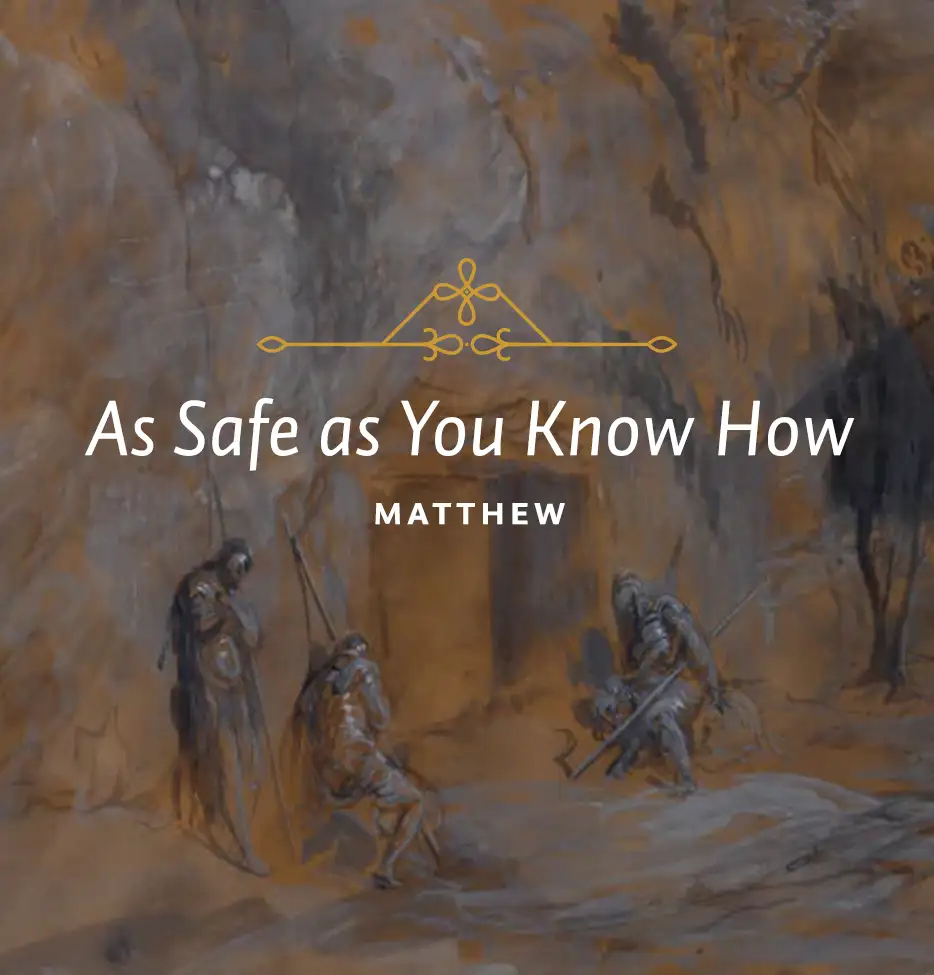


 Truth2Freedom's Blog