There are two ways to be fooled. One is to believe what isn’t true; the other is to refuse to believe what is true. —Soren Kierkegaard. "…truth is true even if nobody believes it, and falsehood is false even if everybody believes it. That is why truth does not yield to opinion, fashion, numbers, office, or sincerity–it is simply true and that is the end of it" – Os Guinness, Time for Truth, pg.39. “He that takes truth for his guide, and duty for his end, may safely trust to God’s providence to lead him aright.” – Blaise Pascal. "There is but one straight course, and that is to seek truth and pursue it steadily" – George Washington letter to Edmund Randolph — 1795. We live in a “post-truth” world. According to the dictionary, “post-truth” means, “relating to or denoting circumstances in which objective facts are less influential in shaping public opinion than appeals to emotion and personal belief.” Simply put, we now live in a culture that seems to value experience and emotion more than truth. Truth will never go away no matter how hard one might wish. Going beyond the MSM idealogical opinion/bias and their low information tabloid reality show news with a distractional superficial focus on entertainment, sensationalism, emotionalism and activist reporting – this blogs goal is to, in some small way, put a plug in the broken dam of truth and save as many as possible from the consequences—temporal and eternal. "The further a society drifts from truth, the more it will hate those who speak it." – George Orwell “There are two ways to be fooled. One is to believe what isn’t true; the other is to refuse to believe what is true.” ― Soren Kierkegaard
What happens to a society when trust in law enforcement collapses? Can a culture survive when those sworn to protect it are constantly vilified? In the aftermath of George Floyd’s death and the tragic murder of Charlie Kirk, skepticism and cynicism toward law enforcement has surged, reshaping public trust and public safety. Former cold-case homicide detective, J. Warner Wallace, joins Frank to examine how we arrived at this moment and what’s at stake if the trend continues. Together, Frank and Jim answer questions like:
What is the primary role of government according to God?
Why is local law enforcement considered the #1 essential service of any functional society?
How does public skepticism and cynicism toward law enforcement directly impact crime and safety?
Why is it so important for police officers to proactively suppress crime?
How do first responders reflect God’s nature and design for authority?
Why is it better for local agencies to handle local crimes?
Are “viral” police encounters distorting reality?
What is the observer effect and what does it have to do with “the weirdest claim of all Christianity”?
Why does law enforcement attract so much criticism compared to other professions?
Why do so many police officers face difficulty in marriage and what’s the solution?
Drawing from real-world experience, Jim exposes the cultural forces undermining police authority and explains why a biblical worldview is essential for justice, accountability, and social stability. As Christians, let’s lead the way in Gospel-centered engagement with those in uniform. Do you love your freedom? Thank a police officer!
If you enjoyed this podcast episode PLEASE HELP US SPREAD THE TRUTH OF CHRISTIANITY BY SUPPORTING OUR MINISTRY USING THE LINK BELOW. 100% of your donation goes to ministry, 0% to buildings!
We possess technology that would have been unimaginable to people living 100 years ago, we have access to more entertainment than any other generation in human history, and we have been enjoying an artificially-inflated standard of living that has been fueled by an unprecedented debt binge for decades. So why are so many of us so miserable? One out of every eight Americans is taking an antidepressant, more than 48 million Americans have a substance use disorder, the suicide rate has been trending in the wrong direction for years, and according to Gallup the percentage of U.S. adults that are currently dealing with depression has nearly doubled since 2015…
The percentage of U.S. adults who report currently having or being treated for depression has exceeded 18% in both 2024 and 2025, up about eight percentage points since the initial measurement in 2015. The current rate of 18.3% measured so far in 2025 projects to an estimated 47.8 million Americans suffering from depression.
We like to think that we are smarter than all of the generations that have come before us.
If that is true, then why can’t we figure out how to be happy?
What we are doing now is clearly not working, and this is particularly true for our young people.
One study found that approximately 42 percent of Americans that belong to Generation Z have been diagnosed with “anxiety, depression, ADHD, PTSD” or some other mental health condition…
In fact, an estimated 42% of Gen Zers have been diagnosed with anxiety, depression, ADHD, PTSD or other mental health condition, with a staggering 60% reportedly taking medication to manage their mental health, according to a study on the respected Psychiatrist.com website.
Nobody can deny that we have failed our young people, and now we have a colossal mess on our hands.
We have never seen a group of young adults that is as unhappy as Generation Z is, and without a doubt they are feeling an enormous amount of pressure from many different directions…
Analysts point to a host of difficult, anxiety-producing issues facing Gen Z, including widespread financial worries – with college costs in the stratosphere, food more expensive than ever, home ownership out of reach for most, and two jobs often needed just to pay the rent.
Then there’s the disconcerting reality that many Gen Zers are not dating or getting married and having families – partly due to economic pressures, high anxiety and insecurity about the future, disillusionment with marriage due to the high level of divorce in their parents’ generation, and widespread reliance on dating apps. But also because they are spending so much time living in a virtual world where they can plug into and commune with every imaginable – and unimaginable – type of individual, cause, “influencer” and community on earth, all recruiting 24/7.
I think that all of the reasons mentioned in the quote above are valid.
But I think that there is another that is more important than any of them.
Over the years, Gallup has found that there is a very close link between loneliness and depression…
Gallup research has shown a strong link between depression and loneliness, as one-third of those who had experienced loneliness the day before were also currently suffering from depression, compared with 13% among those who had not.
After declining from pandemic-era highs of 25% to a range of 17% to 18% through much of 2022 and 2023, reports of individuals experiencing significant loneliness “a lot of the day yesterday” have inched upward again since the latter half of 2024 to 21%.
Even though we are more “connected” to one another through the Internet in this day and age, the truth is that we are more isolated than ever.
As a result, much of the population is desperately lonely.
We were designed to love others and to be loved by others, and if we want to turn our mental health crisis around we need to rediscover the importance of making real human connections.
But instead, many Americans are turning to drugs and alcohol to ease the emotional pain that they are feeling.
A report that was put out two years ago by the Substance Abuse and Mental Health Services Administration revealed that 48.5 million Americans have a substance abuse disorder…
According to a 2023 report by the federal agency Substance Abuse and Mental Health Services Administration, 48.5 million Americans aged 12 and above have a substance use disorder.
This is a national epidemic that is getting worse every single year.
A new study has found that substance use disorders (SUD) cost the U.S. economy just under $93 billion in 2023 from a combination of missed work, reduced work productivity and lost household productivity.
The study, published in the American Journal of Preventive Medicine on December 8, was conducted by a team at the Division of Injury Prevention at the Centers for Disease Control and Prevention (CDC).
Needless to say, drugs and alcohol are not the answer.
So a lot of people that go down that road end up giving up completely.
Since the 1950s, the suicide rate in the United States has been significantly higher among men than women. In 2022, the suicide rate among men was almost four times higher than that of women. However, the rate of suicide for both men and women has increased gradually over the past couple of decades.
This breaks my heart.
So many people are needlessly ending their own lives.
According to the CDC, an American now dies by suicide every 11 minutes…
The level of suicides among our young adults is particularly alarming.
It is being reported that the suicide rate for young adults in the 18 to 27-year-old age bracket jumped by almost 20 percent from 2014 to 2024…
The suicide rate for U.S. adults aged 18-27 increased nearly 20% between 2014 and 2024, rising from 13.8 per 100,000 people to 16.4, per a new analysis of CDC data from Stateline, a nonprofit newsroom.
We have failed our young people.
Here we are at what many believe to be “the happiest time of the year”, and yet much of the population is soul-crushingly miserable.
But it doesn’t have to be that way.
Previous generations of Americans were much happier, and today there are lots of people that are living lives that are absolutely teeming with joy.
So if you are feeling depressed right now, I want you to know that there is hope.
You may not realize it yet, but you are greatly loved.
Once you learn how to respond to God’s love and the love that others have for you, everything will start to change.
A Manhattan psychotherapist is confirming what conservatives have warned about for years: Trump Derangement Syndrome is real, it’s spreading, and it’s shredding the mental health of millions of Americans who can’t emotionally cope with the existence of Donald Trump.
During an interview on “The Faulkner Focus,” Jonathan Alpert, a well-known psychotherapist who practices in New York and Washington and writes for the Wall Street Journal, revealed that three-quarters of his patients are now suffering from what can only be described as a political obsession so unhinged it borders on clinical impairment.
Alpert explained that within five minutes of a session, many patients launch into rants about Trump. Not policy issues. Not debate. Pure emotional meltdown.
Harris Faulkner: Jonathan is in focus with me now. So, first of all, identify it for us. You’re in a session, and you pick up on what?
Jonathan Alpert: Well, Harris, it doesn’t take long for me to pick up on this. People are obsessed with Trump. They’re fixated — they’re hyper-fixated on Trump. And they talk about some of the features of this disorder: they can’t sleep, they feel traumatized by Mr. Trump, they feel restless. I had one patient who said she couldn’t enjoy a vacation because any time she saw Trump in the news or on her device, she felt triggered. So this is a profound pathology, and I would even go so far as to call it the defining pathology of our time.
Harris Faulkner: These people come to you for the things that you described — can’t sleep, traumatized, perhaps depression. I don’t want to put words in your mouth, but at first you are there to treat an illness, a disorder of some kind, and what you figure out is that’s the trigger.
Jonathan Alpert: Well, and Trump is the trigger for many of these people. To be that fixated on a figure — on a person — it’s simply not healthy. Our country has strayed so far away from where we once were. If you look at the ’80s, when President Reagan was shot, people were united. He famously said to the surgeons, “I hope you’re all Republicans.” The response was, “Today, Mr. President, we’re all Republicans.” But our country has lost that. We’ve strayed so far from that unity.
Harris Faulkner: What do you see? Because you told me off camera that three-quarters of your patient load right now has what you’re calling this TDS.
Jonathan Alpert: Well, three-quarters of my patients will present with a lot of these symptoms, and within probably five minutes of seeing me, their hatred for Trump comes up. So if you’re that hyper-focused on Trump, that’s an issue — and it’s worth being treated.
WATCH:
🚨 HOLY CRAP! Psychotherapists are now seeing the effects of Trump DERANGEMENT Syndrome in their patients
"I had one patient who couldn't enjoy vacation because she saw Trump on her device or news, and felt triggered."
In his hard-hitting op-ed for The Wall Street Journal, Alpert rebranded the phenomenon as “obsessive political preoccupation.”
He described it as an OCD-like disorder where Trump becomes the boogeyman for every insecurity and fear.
He describes patients who:
suffer persistent intrusive thoughts about Trump
compulsively monitor news about him
endure chronic hyperarousal and vigilance
lose the ability to function normally in daily life
He wrote:
“Is “Trump derangement syndrome” real? No serious mental-health professional would render such a partisan and derogatory diagnosis. Yet I’ve seen it in my own psychotherapy practice. Patients across the political spectrum have brought Donald Trump into therapy not to discuss policy but to process obsession, rage and dread. Their distress is symptomatic, not ideological.
Clinically, the presentation aligns with anxiety and obsessive-compulsive disorders: persistent intrusive thoughts, emotional dysregulation and impaired functioning. Patients describe sleepless nights, compulsive news checking and physical agitation. Many confess they can’t stop thinking about Donald Trump even when they try. They interpret his every move as a threat to democracy and to their own safety and control.
Call it “obsessive political preoccupation”—an obsessive-compulsive spectrum presentation in which a political figure becomes the focal point for intrusive thoughts, heightened arousal and compulsive monitoring. I initially viewed this as an ideological reaction, an understandable response to a polarizing figure. But over time the symptoms took on a more clinical shape. What once looked like outrage now presents as a fixation that distorts perception and consumes attention.
One patient told me she couldn’t enjoy a family vacation because “it felt wrong to relax while Trump was still out there.” Others report panic attacks or trouble sleeping after seeing him in the news. Their anxiety has outgrown politics and become a way of being.
At the group level, the pattern functions like a culture-bound syndrome, a condition shaped by shared social triggers within a specific context. From a diagnostic standpoint, it overlaps with obsessive-compulsive disorder, generalized anxiety disorder and trauma-related syndromes. While not a formal diagnosis in the Diagnostic and Statistical Manual of Mental Disorders, it reflects the same symptom patterns and behavioral mechanisms used to define emerging conditions. By that measure, this presentation merits serious consideration.”
On Newsmax’s “The National Desk,” The Daily Signal’s senior editor Tyler O’Neil joined host Kelly Sadler to dissect Alpert’s op-ed, calling TDS a “neurotic” obsession that’s poisoning politics.
He notes that Trump has been hysterically compared to Hitler for years, creating a climate where people genuinely believe the country is on the precipice of dictatorship.
Even worse, O’Neil said, Democrats have turned this neurosis into a political strategy:
shutdowns for the sake of “fighting Trump”
legislation drafted to stop Trump, not help Americans
party platforms built around pure opposition
In poll after poll, Democrats say their top priority isn’t the economy, schools, or the border, it’s simply “fight Trump.”
How can we possibly undo the severe long-term damage that has been done to an entire generation of young people over the course of several decades? One of the most powerful pieces of evidence that our society is a failure is the fact that we have produced a “lost generation” of young adults that doesn’t have any hope. We shipped most of them off to public schools where they were trained to believe that they came from monkeys, there is no purpose to their lives, and when they die nothing waits for them on the other side. This sick philosophy is endlessly pounded into the heads of our young people, and many of those that have adopted it have come to the conclusion that they might as well live as hedonistically as they can while they are here. Of course that doesn’t give them any meaning or purpose either, and so a lot of them end up sort of drifting through life seeking anything that can fill the painful emptiness that they feel inside.
It isn’t really a mystery why so many of our young people have gone completely insane. Our modern liberal society urges them to constantly chase after things that will never satisfy them. As a result, we have a national epidemic of loneliness, a national epidemic of depression, a national epidemic of drug abuse, and a national epidemic of suicide.
Our young people are offered one hamster wheel after another. Each time, they are told that if they will just run hard enough they will finally be happy.
Of course that never actually happens.
It all starts in the public schools. Parents send their children to these schools believing that they will receive a quality education, but the truth is that the quality of education in our public schools just keeps getting worse…
The reading and math scores of 12th graders have plunged to their lowest level in over 20 years.
The scores, part of a test from the National Assessment of Education Progress, showed the average reading score for 12th graders dropped to the lowest level since the NAEP first administered the reading assessment in 1992. The average score for 12th graders in math in 2024 was the lowest since 2005, when the math assessment framework changed significantly.
I went to public schools all the way through high school, and then I attended two public universities for a total of eight years.
The quality of the education that I received was a joke.
The entire system is a fraud! It is about time that we all finally admit that the emperor doesn’t have any clothes on.
But what our public schools are good at is indoctrinating young minds. For example, just consider what has been happening in the state of Maryland…
Schools are subverting students’ mental health by endlessly hectoring them to doubt or despise their own bodies. These school antics reached epidemic level even before the start of the Covid pandemic. In 2019, the state of Maryland issued regulations to promote “viewing each student’s” “gender identity and expression” as “valuable.” Government officials and political appointees arrogated to themselves the prerogative to redefine gender in the state of Maryland. Montgomery County, the largest school system in the state, announced that it would choose books for the curriculum “through an ‘LGBTQ+ Lens’ and ask whether books ‘reinforced or disrupted’ ‘stereotypes,’ ‘cisnormativity,’ and ‘power hierarchies,’” according to a brief filed at the Supreme Court by parents who successfully challenged the school system. That brief also noted that “teachers are told to frame disagreement with [pro-LGBTQ] ideas as ‘hurtful,’ and to counter with examples of ‘men who paint their nails’ or ‘wear dresses.’” The goal is to instill in children “a new perspective not easily contravened by their parents,” as the county school board admitted.
The indoctrination produced a 582% increase in the number of kids self-identifying as “non-binary” in Montgomery County schools. “Disrupting children’s thinking” has been so successful that almost half of the students identified themselves as non-binary.
Sadly, most parents have no idea what is really going on in these schools.
They just assume that their kids are being prepared for life in the real world.
But instead they are having leftist “values” systematically shoved down their throats.
Needless to say, it gets even worse at the next level.
Our colleges and universities are completely and utterly dominated by radical leftists.
This is why so many of our young people abandon the values that they were raised with once they enroll in these “institutions of higher learning”. This is a point that was made exceptionally well in a recent article by Victor Davis Hanson…
Hundreds of thousands of students emerge from campuses not just indoctrinated with contempt for the Western tradition and American exceptionalism, and not just often thousands of dollars in debt from inflated tuition, but also poorly educated by the standards that once defined education.
The working classes and high school graduates, supposedly the losers of our society, are not those who are dividing the country. They are not often advocating violence or trying to use any means necessary to overturn the established order. But so often the products of the modern university are doing just that.
Sadly, in all these recent horrors, the ideology behind them—the premise that either birthed or appeased them—was birthed in modern higher education.
He is right.
Once upon a time, colleges and universities were primarily concerned with equipping students with the skills that they would need for their future careers.
Today, colleges and universities are primarily concerned with brainwashing impressionable young kids.
Half of U.S. youth say that loneliness has a daily disruptive impact on their mental health, according to Hopelab and Data For Progress survey results shared exclusively with Axios.
In addition, the percentage of the population that is suffering with or receiving treatment for depression has nearly doubled over the past decade…
Depression remains an ongoing problem in the U.S. as historically high rates persist, polling company Gallup reveals.
The reported percentage of U.S. adults suffering or receiving treatment for depression has been higher than 18 percent for the past two years. A decade ago, in 2015, the number was just over 10 percent.
“The increase is alarming, and it is important that we keep an open mind and explore all possible causes for the rapid, and apparently sustained, rise in depression rates over the past decade,” Dr. Gerard Sanacora, a professor of psychiatry, director of Yale Depression Research Program and co-director of Yale New Haven Hospital Interventional Psychiatry Service at Yale University, told Newsweek.
On top of everything else, “deaths of despair” caused by alcohol abuse, drug abuse and suicide are absolutely soaring…
Two non-profits, Trust for America’s Health and Well Being Trust, published a report this month which paints a harrowing picture of reality for millennials with an addiction in the United States. According to the report, which is an analysis of data from the CDC, millennials are the most likely age demographic to die from alcohol, drug abuse, and suicide. Millennials are most often defined as people who were born between the years 1981 and 1996, although some definitions expand the category to cover people who were born up through the year 2000.
Over the course of one decade, from 2007 to 2017, the rate of alcohol-related deaths among millennials rose by 69%, the rate of deaths caused by drugs rose by 108%, and the suicide rate rose by 35%. The report also indicates that the opioid epidemic has devastated millennials. From 1999 to 2017, the rate of fatal opioid overdoses among millennials rose by 500% and the rate of fatal overdoses involving synthetic opioids (especially fentanyl) skyrocketed by 6,000%.
Please go back and look at those numbers one more time.
What we are doing is clearly not working.
We have a system that does not give our young people any hope, and the consequences have been absolutely devastating.
Those of us that refuse to go along with the system are increasingly being marginalized and pushed to the fringes of our society, but we will not yield because we have found hope in Jesus Christ. If you would like to study the evidence that proves that the Christian faith is true, I would strongly encourage you to read my book entitled “Why”, because it contains a lot of information that has been kept from the general population.
Our schools aren’t going to tell you the truth.
Neither will the other major institutions in our society.
If you are tired of being lied to, it is time to wake up and start thinking for yourself.
We live at a time when deception is literally all around us, but the truth is still out there, and you can find it if you are willing to search for it.
Our society is more addicted to the Internet than ever. So how has that affected us? Are we happier than we once were, or are we less happy? Are we more mentally healthy than we once were, or are we less mentally healthy? I don’t have to give you the answers to those questions, because you already know. Our society has gone completely nuts, and our suicide rate has soared. In particular, we are seeing historically high levels of suicide and depression among our young people. We have a major national crisis on our hands, but hardly anyone is talking about it.
We were not designed to endlessly stare at our screens.
Life is supposed to be about so much more than that.
Yes, the Internet can be used to do really good things. Personally, I use it to share the truth with large numbers of people all over the globe. But the Internet also brings out the very worst in humanity.
At this stage, the Internet is absolutely teeming with just about every sort of evil that you can possibly imagine, and most of us are spending an enormous amount of time wading around in that cesspool. In fact, a recent survey discovered that Americans with a home Internet subscription “spend nearly half their day online”…
Wired Americans spend nearly half their day online — splitting that time almost evenly between watching videos or TV shows and working, browsing and shopping, according to a new survey.
“This new survey was eye-opening,” said Eric Bruno, senior vice president of product management for Optimum, whose telecommunications firm interviewed 2,000 US residents who have a home Internet subscription with any company for the poll.
Many of us would simply not be able to function if the Internet suddenly went away.
Thanks to our phones, we take it with us everywhere that we go, and when we are at home we use it in a multitude of different ways…
They spend 5.4 of those hours browsing, working, gaming, looking at social media, reading email or paying bills, the survey found.
They spend another five hours streaming video or TV content.
I am not saying that the Internet is bad.
Ultimately, it is just another tool.
The problem comes when we get addicted, and young people are particularly susceptible.
One study that was just released discovered that the younger a girl is when she gets her first smartphone, the more likely she is to have suicidal thoughts when she gets older…
Nearly half of young women who received their first smartphone at age 5 or 6 now report having suicidal thoughts, compared to just over a quarter of those who waited until 13 to get their device. A sweeping new study tracking more than 100,000 young adults across the globe reveals a troubling pattern that should alarm every parent: the younger children are when they first own a smartphone, the worse their mental health becomes by early adulthood.
Kids in the United States are committing suicide in unprecedented numbers.
According to the CDC, in 2023 suicide “was the second leading cause of death for people ages 10-34”.
Reading that should absolutely horrify you.
Personally, it is my opinion that parents should delay giving smartphones to their children for as long as possible.
In addition to being more likely to have suicidal thoughts, those that get smartphones at an early age are also more likely to develop a whole host of other emotional problems…
Early smartphone ownership correlates with a troubling range of symptoms in young adulthood beyond suicidal thoughts. Those who got phones before age 13 show higher rates of aggression, feelings of detachment from reality, and hallucinations. Among specific mental health functions, early smartphone users struggle more with self-image, self-worth, emotional control, and resilience – particularly females. Males show greater difficulties with stability, calmness, and empathy.
A new study provides answers. Researchers at UC San Francisco found that as preteens used more social media, their depressive symptoms increased. Yet the reverse wasn’t true — a rise in depressive symptoms didn’t predict a later increase in social media use.
On average, kids’ social media use rose from seven to 73 minutes per day over the three years of the study and their depressive symptoms went up 35%. The study, which was supported by grants from the National Institutes of Health (NIH), was published in JAMA Network Open.
The research team, led by Jason Nagata, MD, MSc, associate professor in UCSF’s Department of Pediatrics, examined data following nearly 12,000 kids aged 9 to 10 years and then three years later at 12 to 13. The study is among the first to use within-person longitudinal data, meaning researchers could track changes over time in each child to accurately assess the link between social media and depression.
If you endlessly put garbage into your mind, you are going to get garbage out.
Of course if everyone was using the Internet to read the Bible and to focus on things that are true, things that are honest, things that are just, and things that are pure, we wouldn’t have a problem.
But that isn’t how most Americans use the Internet.
Most Americans spend countless hours consuming content that is overtly evil.
In the shocking clip, a man in a white t-shirt is can be seen being shoved to ground by two men and repeatedly beaten as other members of the crowd jeer and join in.
The gang beat the man for nearly a minute as he lay in the middle of the street, seemingly stepping on his head multiple times.
When the barrage of attacks temporarily stopped, he is seen attempting to stand – but immediately fell over in apparent disorientation. One attacker yelled out ‘my man’s drunk’.
People are talking about this case all over the Internet.
At one point a woman rushed to help the man that had been beaten, and she was viciously attacked too…
A woman in a black dress rushed to his aid, but was attacked by the crowd, suffering two blows to the face.
The impact caused her to fall, with her head slamming the pavement. She became unconscious as blood spewed from her mouth.
This is our society now.
Whether you like it or not, we have raised an entire generation that has embraced lawlessness.
If we had raised them differently, we would have gotten different results.
Sadly, we still have not learned our lesson.
Most of us continue to run after things we should not be running after, and that is a recipe for societal disaster.
It has been said that there is no cure for crazy. If that is actually true, we are in all sorts of trouble. When I was growing up, the crazy people were on the fringes of our society. Today, it is the normal people that have been pushed to the fringes of our society. If you think that I am exaggerating, just look around you. Much of the population is literally behaving like maniacs. We all laughed when “Idiocracy” was released in theaters in 2006 because it was so absurd, but in retrospect that film was essentially a warning about what would soon be coming. Over the past 20 years, our society has been turned totally upside down. The lunatics are running the asylum, and many of them are lashing out in wild and unpredictable ways.
If you think that I am being too harsh, please read the rest of this article. I truly wish that I was exaggerating, but I am not. The following are 10 examples that show that our society is going completely insane…
#1 Would you join a “scream club”?. In Chicago, a very large group of liberals meets even Sunday evening at 7 PM to scream their heads off…
Scream Club Chicago has found an unorthodox way to let off some steam and make life a little easier.
The group meets on the North Avenue Beach pier every Sunday at 7 p.m., where they breathe deeply and collectively scream into the open air over Lake Michigan.
The group was started by Manny Hernande, a breathwork coach who was looking for an outlet to deal with stress. He invited others to join him in the screaming ritual on social media. Now the weekly therapy session are growing in popularity.
#2 In America today, the violent lunatic walking next to you could snap at any moment. At a Walmart in Michigan, a man that was shopping in the grocery section suddenly pulled out a knife and started stabbing people…
“It was a guy with a knife — people were screaming and running in all directions,” said Tasha Nash, a Walmart employee. “I saw someone stabbed in the eye.”
Amber Paull, another shopper, described the assailant as a foreign man who “just lost it” and began randomly attacking people in the produce and grocery section. “An African American man pulled a hero move — he drew his pistol and tried to stop the attacker,” Paull said. “But then people started screaming, and the suspect managed to slip back into the crowd.”
#3 There are more than half a million victims of child abuse in the United States. A recent case in Florida was particularly horrifying…
Four adults were arrested after being accused of abusing nine children in their Florida home by caging them with plywood under a bunk bed and spraying them in the face with vinegar as a form of punishment, authorities said Friday.
Husband and wife Brian and Jill Griffeth, along with 21-year-old Dallin and 19-year-old Liberty Griffeth, were arrested and charged with aggravated child abuse, the Columbia County Sheriff’s Office said in a statement Friday.
The four adults are suspected of abusing five biological and four adopted children — ages 7 to 16 — at their home in Fort White, Florida, roughly 35 miles northwest of Gainesville, the sheriff’s office said.
Educators are trying to incentivize students to come to school, with some districts even paying students for their attendance.
Others have encouraged teachers to have attendance count towards grades or limit the number of assignments that can be completed online, The Boston Globe reports.
Twenty states reported that more than 30 percent of their students missed at least three weeks of school in 2022-23, according to latest figures from the DoE.
#5 Mad scientists feel like they have the right to “play God” without our permission. For example, not too long ago a group of mad scientists on the west coast attempted to conduct an unauthorized geoengineering experiment in San Francisco Bay which was intended to dim the sun…
The details outlined in funding requests, emails, texts and other records obtained by POLITICO’s E&E News raise new questions about a secretive billionaire-backed initiative that oversaw last year’s brief solar geoengineering experiment on the San Francisco Bay.
They also offer a rare glimpse into the vast scope of research aimed at finding ways to counter the Earth’s warming, work that has often occurred outside public view. Such research is drawing increased interest at a time when efforts to address the root cause of climate change — burning fossil fuels — are facing setbacks in the U.S. and Europe. But the notion of human tinkering with the weather and climate has drawn a political backlash and generated conspiracy theories, adding to the challenges of mounting even small-scale tests.
Last year’s experiment, led by the University of Washington and intended to run for months, lasted about 20 minutes before being shut down by Alameda city officials who objected that nobody had told them about it beforehand.
#6 It is being projected that Canada will euthanize 15 million of their own citizens by 2047, and the U.S. is heading down the exact same path…
In a recent video, Kelsi Sheren, a Canadian combat veteran, host of The Kelsi Sheren Perspective, and an outspoken opponent of Canada’s Medical Assistance in Dying (MAiD) policies, shared how Canada’s government-controlled healthcare system plans to euthanize an estimated 15 million Canadians between 2027 and 2047, a staggering figure justified under the pretext of cost savings.
While doctor-assisted suicide in the U.S. has not yet reached the alarming extremes observed in Canada, the “death with dignity” movement is actively attempting to change that. Pending Governor Hochul’s signature on New York’s recently passed bill, 11 states and Washington, D.C., will permit this abhorrent and immoral practice.
#7 Often some of the worst crimes are happening in some of the wealthiest neighborhoods. For instance, somehow a wealthy Chinese couple in Los Angeles was able to collect and abuse 21 children before authorities finally caught on to them…
A house in an upmarket Los Angeles city was raided by the FBI, leading authorities to rescue 21 small children, many of whom had allegedly been subject to abuse.
Guojun Xuan, 65, and Silvia Zhang, 38, were initially arrested in May under suspicion of felony child endangerment and neglect, after a 2-month-old baby in their care was brought to a local hospital with a traumatic brain injury.
Doctors realized the injuries had occurred around two days previously, sparking a police investigation.
#8 Major cities all over the nation are becoming rotting, decaying hellholes. Can you guess which large American city is being described in these paragraphs?…
Speaking at a public Board of Police Commissioners meeting on Tuesday, local man Frank Sereno said he was concerned about the levels of crime.
According to KMBC, he said: ‘Property crimes, stolen vehicles, teens running through the neighborhood, armed, shooting firearms’.
‘These are not innocent petty crimes. These are very violent individuals who are out to do harm to us. And we’re tired of it happening,’ he added.
It isn’t Los Angeles.
It isn’t San Francisco.
It isn’t New York City.
It isn’t Chicago.
The city being described in those paragraphs is actually Kansas City.
I am old enough to remember when Kansas City was still a very civilized place.
#9 The experts are now admitting that more than a quarter of our population is mentally ill. According to Johns Hopkins, approximately 26 percent of all Americans suffer from ” a diagnosable mental disorder in a given year”…
Mental health disorders account for several of the top causes of disability in established market economies, such as the U.S., worldwide, and include: major depression (also called clinical depression), manic depression (also called bipolar disorder), schizophrenia, and obsessive-compulsive disorder.
An estimated 26% of Americans ages 18 and older — about 1 in 4 adults — suffers from a diagnosable mental disorder in a given year.
Many people suffer from more than one mental disorder at a given time. In particular, depressive illnesses tend to co-occur with substance use and anxiety disorders.
Approximately 9.5% of American adults ages 18 and over, will suffer from a depressive illness (major depression, bipolar disorder, or dysthymia) each year.
#10 These days, many Americans are actually “romanticizing the apocalypse” simply because they want all of the madness to finally end…https://www.youtube.com/embed/GHAzpIitZ8Y?si=Os7518r4s7NBnvhc
If you could turn back the clock and have America go back to the way that it was in the 1950s and 1960s, would you do it?
Even though we would have to give up our electronic gadgets and a lot of our modern conveniences, a lot of normal people would choose to do that in a heartbeat.
Why?
Because life was so much simpler in those days, and people actually connected with one another.
Today, most people can count their true friends on one hand.
We weren’t designed to stare at screens for 10 hours a day.
And the value of our lives was never meant to be determined by how many “likes” we get on Facebook or Instagram.
Our modern way of life is not healthy.
In fact, it is literally driving many of us insane.
Hopefully we will choose to change direction before it is too late.
Dr. Drew Pinsky, one of America’s favorite TV doctors, recently appeared on FOX News and offered a very real psychological profile of the mental disease known as Trump Derangement Syndrome.
TDS has been around for years, but recently Trump has been racking up so many wins that Democrats seem especially afflicted with it.
Pinsky is a real doctor, and while he is not a psychiatrist, his analysis is pretty darn good. He suggests that one of the main causes is narcissism. The sufferer thinks everything is all about him or her.
RAYMOND ARROYO, FOX NEWS: Given the magnitude of this crisis, we brought in a professional. With his diagnosis is Dr. Drew Pinsky, host of Ask Doctor Drew on Rumble and YouTube. He’s also the wellness company’s chief patient officer.
Dr. Drew, what would you prescribe Congresswoman Britney Peterson who seems to be suffering from a bad case of TDS?
DR. DREW PINSKY, HOST OF ASK DR. DREW ON RUMBLE: She indeed does. I mean, let’s go over some of the symptomatology, right? The first thing is, this is happening to me, right? This is my problem. He’s — the president of the United States is directing all this towards me, and I’m so emotional because what happened to me? Narcissism.
Number two, it’s performance art as the Speaker Johnson just mentioned. The performance art is, I’m here. I’m here, buddy. You’ve got to see me. I have to show you what I’m going through.
And then finally, and this is the most narcissistic impulse of all. I have to show you that I care more than you, and you don’t care because I’m superior.
So, a little reality testing would be good. I think that — and a very — a long vacation maybe, and be kind to these people because they see everything out there outside of their body as happening inside their body.
Americans watch more television than anyone else in the world, and as we watch television we are constantly being bombarded by commercials from pharmaceutical companies. As I discussed in a previous article, pharmaceutical companies spend more than 15 billion dollars on television advertising each year. The reason they do this is because it works. We are the most drugged nation in the history of the world, and the pharmaceutical companies are absolutely swimming in cash.
According to polling that was conducted by KFF, a whopping 61 percent of all U.S. adults admit that they are currently taking at least one pharmaceutical drug.
That is a solid majority of the population.
And once they have you on one drug, they are much more likely to be able to get you on another.
The KFF survey found that 13 percent of U.S. adults are taking one pharmaceutical drug.
The KFF survey found that 11 percent of U.S. adults are taking two pharmaceutical drugs.
The KFF survey found that 10 percent of U.S. adults are taking three pharmaceutical drugs.
And most shocking of all, the KFF survey found that 27 percent of U.S. adults are taking at least four pharmaceutical drugs.
That means that more than a quarter of the adult population is currently on at least four prescription medications.
That is insane!
But this is where we are at as a society.
Elderly Americans are the biggest victims. One study found “that an estimated 89 percent of older adults” took at least one prescription medication within the past 12 months.
Even if you aren’t sick, the system is designed to find a reason why you should become a customer of the big pharmaceutical companies.
For example, the percentage of Americans that have been diagnosed with depression has more than tripled since 2005…
Today, new CDC data showed that nearly 18 percent of Americans had depression in 2023, an all-time high. In 2005, when Cruise’s controversial interview aired, that figure was about 5.4 percent.
At this stage, it is so easy to be diagnosed with depression.
Just act a little bit sad, and they will gladly start giving you pills.
This is particularly true for women. According to Google AI, women in the United States are using antidepressants at a rate that is more than twice as high as men…
According to the National Health and Nutrition Examination Survey (NHANES) conducted in 2015-2018, approximately 17.7% of women aged 18 and older reported using antidepressants in the past 30 days. This is significantly higher than the rate for men, which was 8.4%.
If you have been on antidepressants, you already know how they can mess with your head.
I have seen it happen to people that I know personally.
So what is going to happen to the millions of Americans that are highly dependent on these drugs if they suddenly can’t get them anymore?
Today, we import approximately 75 percent of our essential medicines, and most of those essential medicines come from either China or India…
According to Exiger, the U.S. currently imports 75% of its essential medicines, with most of them coming from China and India. While India produces about half of the generic drugs the U.S. imports, it relies heavily on China for 80% of its active pharmaceutical ingredients (APIs). More than 500 generic drugs rely on one country’s APIs, including treatments for diabetes and heart conditions as well as antibiotics.
Another factor putting Americans at risk is the use of forced labor in the production of pharmaceuticals. Exiger found that multiple suppliers, including Sinopharm, Zhejiang Shindai Chemical Group and Zhejiang Chemicals Export Corp., relied on Uyghur forced labor in Xinjiang. Customs and Border Patrol is supposed to block goods made with forced labor; however, some still get through.
We have got a real mess on our hands.
Many pharmaceutical drugs will soon become much more expensive, and in other cases we could witness extreme shortages.
Millions of U.S. adults are about to experience a very rude awakening.
Of course it isn’t just adults that are being drugged into oblivion.
Today, millions of American boys are being given drugs for ADHD…
More than 21% of 14-year-old boys in this country now supposedly suffer from this condition. The number goes up to 23% for 17-year-old boys. As a result, prescriptions for drugs like Ritalin and Adderall have skyrocketed. From 2012 to 2022, the total number of prescriptions for stimulants to treat ADHD increased dramatically by nearly 60%. Boys between the ages of 10 to 14 were the demographic that saw the highest increase in these prescriptions.
What we are witnessing is a national tragedy.
Most of the boys that are taking these drugs simply do not need them.
As Glenn Back has accurately pointed out, our “feminized education system” tends to punish normal male behavior…
“The truth is we’ve been told not that a feminized education system has increasingly punished normal male behavior it doesn’t understand; it’s not that schools have lost their capacity to educate male students; it’s not that smartphone use and electronics in general have become distractions teachers have been unable to control. Instead, we’re led to believe that boys have suddenly become afflicted with a severe psychological disorder,” Glenn reads from the Daily Wire piece.
He agrees that what’s being done to boys in education is a travesty.
“Everything is just push the girls, push the girls, push the girls — ‘you can be anything.’ ‘Shut up, sit down, have some Ritalin’ to the boys,” he condemns.
The boys who are being written off as distractible and out of control are really just being typical boys.
He is right.
We have been trained to think that typical male behavior is abnormal when it most certainly is not.
Sadly, an increasing percentage of U.S. adults now believe that children are such a “burden” that they don’t want to be parents at all…
A new study shows the number of U.S. adults who do not want to have children has doubled in 20 years.
“We found that the percentage of non-parents who don’t want any children rose from 14% in 2002 to 29% in 2023,” Jennifer Watling Neal, co-author of the study and professor of psychology at Michigan State University (MSU), said.
“During the same period, the percentage of non-parents who plan to have children in the future fell from 79% to 59%,” she added.
The relentless propaganda that they have been feeding us is working.
More U.S. adults than ever before are completely rejecting parenthood.
Needless to say, this is a recipe for societal suicide.
If we do not reproduce ourselves, we can’t expect to have any sort of a positive future.
Sadly, millions of Americans simply do not care about the future at this point because they have already been drugged into oblivion.
Within a few weeks of Donald Trump’s inauguration, the President signed an Executive Order establishing the Make America Healthy Again Commission (MAHA), which, among other things, will be “assessing the prevalence of and threat posed by the prescription of Selective Serotonin Reuptake Inhibitors (SSRIs), antipsychotics, mood stabilizers, stimulants and weight-loss drugs.” In other words, officialdom finally is looking at the out-of-control unscientific chemical experimentation used to address unwanted behaviors.
Alert the media! Get Megyn Kelly on the phone! Finally, a governmental body will be looking into the serious risks associated with prescription mind-altering drugs. It’s decades in the making. But, as they say, “better late than never.” It was no surprise then that within a month of that announcement the mental health industry was none too pleased and released a “joint statement” about the wonders of its mind-altering chemical elixirs.
According to the statement, “these drugs provide relief for many young people enabling them to participate fully in treatment, school, social activities, and family life — all key aspects of healthy development.” Utter nonsense.
“Healthy development?” There is no such thing as the decades-long touted “chemical imbalance.” That theory finally got debunked in 2022 research published by Professor Joanna Moncrieff and Dr. Mark Horowitz. So, since it’s clear that people are not “short” on certain brain chemicals as a reason for depression, then why are those chemicals being prescribed as “treatment?” And, make no mistake, lots and lots of Americans are being drugged.
According to data gathered in 2020 by IQVIA (Formerly IMS Health) and made public by the Citizens Commission on Human Rights (CCHR) in January of 2021, nearly 77 million Americans are taking at least one prescription psychiatric drug. The breakdown of who is drugged is jaw dropping crazy. There were more than 85 thousand 0–1-year-olds, nearly 140,000 2–3-year-olds, 215,000 4- to five-year-olds, two-and-a-half million 6–12-year-olds and more than three million 13–17-year-olds taking psychiatric mind-altering drugs every day.
Just for argument sake, let’s get out of our comfort zone and consider the drugging of 0 to 1-year-olds. Just how exactly does that happen? Given that psychiatric diagnosing is completely dependent on answers to questions, how does a three or six-month-old, for example, tell the physician they are depressed? It’s a head scratcher for sure and some would argue criminal, but as of 2020 nearly 8 thousand 0–1-year-olds were on antidepressants. Wouldn’t you have loved to have been a fly on the wall during that diagnosing session?!
Of course, it’s no different when it comes to two to three years olds. As of 2020, a little more than twelve thousand of these toddlers were diagnosed with depression and drugged with antidepressants. It’s mind-numbing to even think about how doctors believe it is helpful for “healthy development” to drug babies and toddlers. How did the doctors know which antidepressant – which chemical – to prescribe and how did the doctors deduce the drugged children were “better?” Didn’t throw their Legos anymore? Stopped crying? It’s ridiculous.
And the lunacy is greatly enhanced when one considers the fraud that first must occur before the prescribing of mind-altering drugs can take place. That’s right. Fraud. Psychiatric diagnosing is not based on science. There is no abnormality in the brain for any psychiatric diagnosis. There is no measurable test that can reveal any psychiatric disorder. No blood test, no scans, nothing. All psychiatric diagnosing is based on lists of behaviors. Are people depressed. Yep. Is it a measurable abnormality in the brain? Nope.
But the mental health industry “joint statement” continues by explaining that “efforts to discourage, stigmatize or curtail the use of evidence-based treatments for mental illness will have serious deleterious consequences.” Notice how the mental health Gurus don’t say “science-based?” It’s “evidence-based,” which means lists of unacceptable behaviors. And as far as “serious deleterious consequences” one really must understand the possible serious adverse side effects of the psychiatric drugs to really understand the possible consequences.
For example, everyone should know that the Food and Drug Administration (FDA) requires a Black Box warning for suicidality on all antidepressants. Reassuring huh? Give kids a drug that could make them commit suicide and then blame the suicide on the non-scientific mental disorder? That’s what you call a mental health ace in the hole. Couldn’t possibly be the drug! Of course there are other horrific possible side effects that can wreak havoc short of suicide, including the following examples:
The above are possible adverse events associated with the drugs the psychiatric industry believes establishes “healthy development” in kids. Really? If one considers that the number of kids being diagnosed with a mental disorder is up every year, the number of kids being drugged is up every year and the number of suicides and suicide attempts is up every year, then where does “healthy” come in?
And it is ironic that the psychiatric industry is supporting the continued use of psychiatric drugs on kids in light of the recent release of the investigation into the Covenant School shooter, Audrey Hale. Hale had been a psychiatric patient since she was seven years old due to kindergarten anxiety and had been plied with numerous cocktails of mind-altering drugs. Twenty years of drugging and Hale never got better. That “healthy” thing never materialized for Hale.
Or how about we speak about the Massachusetts mother, Lindsay Clancy, who in 2023 was prescribed thirteen mind-altering drugs over a two-month period and killed her kids and tried to commit suicide. Clancy’s purveyors of “healthy” – the psychiatrists – oddly have not been charged in the case. And most recently there is the case of Wyoming mother Tranyelle Harshman who killed her kids and herself after years of mental health “treatment,” including cocktails of mind-altering drugs.
What is really astounding is that when these horrific murder/suicide incidents occur, the psychiatric industry is silent and appears to be protected from liability. The industry screams for the use of the drugs but obtaining the information about what drugs had been prescribed is nearly impossible unless it is offered up by family members or released as part of a court record. Why? If these “treatments” are so “healthy” let the public know what drugs were prescribed at the time of the murderous incidents. Clancy’s prescribed drugs have only been made public because her attorney is using them in her defense. Harshman’s complete drug record has not been released nor has Audrey Hale’s complete, year-by-year, drug regimen been made public. It’s time the psychiatric industry takes some responsibility for the deadly outcomes of their experimental elixirs.
The psychiatric industry can’t have it both ways. It can’t crow about the wonders of the mind-altering drugs, alleging that they are necessary for “healthy development” and then refuse to share the information about the prescribed drugs when a murder/suicide occurs. In fact, why isn’t the psychiatric industry demanding this data for its own research purposes?
If Secretary Kennedy is serious about getting to the bottom of the mental health “crisis” in America, he’ll find a way for psychiatric drug information to be made public in every crime. The psycho pharma industry has, for too long, been allowed to experiment with deadly mind-altering drugs without consideration and intervention. Just saying the drugs “work” is no longer acceptable. Kennedy is demanding to see the science that sells the vaccines and should demand no less with the “science” that determines one in four Americans are mentally ill and drugged daily just to function.
Be the Voice for the Voiceless
What you can do. Sign the Petition calling for federal hearings!
Donate! Every dollar you give is a powerful statement, a resounding declaration that the struggles of these families will no longer be ignored. Your generosity today will echo through generations, ensuring that the rights and well-being of children are fiercely guarded. Don’t let another family navigate this journey alone. Donate now and join us in creating a world where every child’s mind is nurtured, respected, and given the opportunity to thrive. As a 501(c)3 organization, your donation to AbleChild is not only an investment in the well-being of vulnerable children but also a tax-deductible contribution to a cause that transcends individual lives.
If you’ve ever struggled with anxiety, depression, or the shame that comes with it, this is the story I wish someone had shared with me sooner.
For years, I believed that if I just prayed harder, had more faith, and read the right Bible verses, my depression would disappear. But no matter how much I tried to Bible-truth my way to healing, the darkness remained—until I finally realized what no one in church had ever told me. If you’ve ever struggled with anxiety, depression, or the shame that comes with it, this is the story I wish someone had shared with me sooner.
Contributing Writer
Updated Feb 06, 2025
When I read that question, I felt the desperation that comes along with the inquiry. I hear my own struggle that led to questioning my God as I personally lived under the weight of unrelenting anxiety and depression for the better part of the last decade. So many of us are not only burdened by the physical turmoil that these imbalances bring but also are weighted down with a sense of shame and uncertainty that attaches to us when our faith communities fail to choose empathy and understanding when they bring up faith and mental health.
In my experience, generally, Christ-following people who have never suffered from true clinical-level anxiety and depression have a hard time empathizing with what it is to walk this road. They have not felt the physical dread, the deafening despondence, and therefore, have not been in need of a miraculous intervention required for those diagnosed with depression for their minds and bodies to live free and healthy. For most of us, experience is the way we are forced to push past easy answers and dig deeper into how God loves us through our physical battles that impact our minds, bodies, and souls.
I’ve had to do a lot of forgiving of people who passed me books that were designed to Christian self-help me out of needing medication, who have expressed their frustration when people they love couldn’t snap out of their depressive episodes, and who have said that if I had a deeper faith, I would not be in this battle. I forgive them and remember that they just can’t know what they have never experienced.
They don’t understand how often I’ve poured over the scriptures about peace and asked God to take my burden away, how I’ve tried every home remedy, self-help tip, and strategy to manage my symptoms with no relief. They have not felt how thankful I am and so very happy for my life, yet all the while, my body would not match what my thinking brain was trying so hard to tell it to do. You can be depressed and still be so very thankful and content with God’s gifts in your life. That’s a truth I only found as I finally accepted my medical diagnosis. For so long, I felt that this couldn’t be depression because I love my life so much. I lived and still battle shame that shouts the lie that my depression meant I was not in God’s will for my life.
All of this kept me trapped for so long because rather than accepting medical interventions, I just kept striving to somehow Bible truth my way to health. The easy answers seemed to be working for everyone else I knew, so I was determined to make them work for me. Honestly, it took seven years into this struggle to meet another Christian who shared how medication helped bring their body into health after dealing with depression. Their openness about the joy they felt after accepting this intervention opened a door in my soul. I knew they loved Jesus, and if this Jesus-loving person found freedom with the help of medical support, it was finally okay for me to accept my own needs, too.
How to Respond When Depression Becomes Part of Our Story
Medication is not the answer for everyone, but I share my story because, at the heart of it, pride and shame kept me from exploring all the options for me to be healthy after I experienced postpartum anxiety and depression that never resolved until I took medication. This was seven years of suffering and struggling. I could have lived more fully if I had known other Christ followers who really were willing to hear me, see me, and affirm that I was not a failure. The reality was that I was a Mom whose body was not producing enough serotonin, I needed medicine to help bring my body into balance. This is just the same as if my body stopped making insulin, everyone would immediately instruct me to begin taking life saving medication. But for some reason, I was taught to believe that mental health was always a spiritual problem and not a physical one.
Depression could also be a physical response to a real loss, traumatic experience, or other difficult life event. The Bible tells us to ‘mourn with those that mourn’ (Romans 12:15-18), and in these cases, depression is someone caught up in a deep physical sort of mourning. The answer, then, is people. It’s counseling, therapy, new habits, and an infusion of hope into a life that has felt more than its fair share of loss. The Christian answer to this situation is not merely an I am praying for you, and it’s an I am going to be here with you. It’s a commitment to be present and help as someone you love pushes back the darkness that has settled over their life.
In every case in which we go from just being down to being depressed as Christ followers, it’s vital that we understand this does not separate us from God. There is no shame in deep, difficult feelings, and as we read the Bible, we see them expressed in almost every story. Jesus himself wept out tears of blood as he prepared for his own death. I think it’s safe to say he was battling some pretty dark and difficult emotions (Luke 22:44), and interestingly, the one thing he asked his disciples to do for him at that time was to be awake with him. Spoiler alert: they failed him, and all fell asleep while he wrestled all he was feeling about what was to come.
Yet, so much of our current Christian culture focuses on the peppy, super blessed, and always happy brand of Christianity. Those people aren’t real. No one only ever feels happy, and we are made to experience a wide range of emotions. Nonetheless, we’ve been trained to hide our real needs in fear we won’t be good enough for Jesus, but we can never be good enough for him. We are just supposed to be with him. That’s the only requirement to be a Christian: you must be with Jesus.
So, if you are in the depths of depression, first, I want to say I am so sorry. It’s just truly the worst feeling in the world, and getting out of that dark, complex place is really challenging. God is with you in this. He made us feel deeply, and our world is chaotic. We would not be responding appropriately to this fallen world if we were only ever happy. We know in this life, there will be trouble, and we are promised never to go through it without God once we are in his family.
Next, as believers, we are called to encourage one another in love (1 Thessalonians 5:11). Find someone who loves Jesus who can be real with you and encourage you even in this dark moment. This can be a pastor, friend, mentor, counselor, therapist, and the list goes on. We are not meant to stay in the dark alone.
Finally, our minds, bodies, and souls are connected. Our minds struggle with our bodies are not well. If you find yourself stuck in a longstanding struggle with depression and more, gather all the interventions that will bring your body into proper alignment just as you would for any other ailment. I know God wanted me to trust him enough to accept my need for medication, and it truly was the first time in years that I felt free from my battle. Thankfully, I have been able to end my medication and am doing well. Through all of this I am learning to trust God to bring freedom in his way in his timing. My job is just to be humble and obedient to His Spirit’s leadership in health, even when my body fails. I pray you find the freedom to trust him even with this.
Senator Smith Antidepressants “MAY” Cause School Shooting, RFK Confirmation Hearings. HHS
This article originally appeared on AbleChild.org and was republished with permission.
Trump Derangement Syndrome (TDS) hasn’t yet been added to the Diagnostic and Statistical Manual of the American Psychiatric Association, (DSM-V), but the apparent mental disorder appears to have taken hold of the Democrat party to such an extent that psychiatric specialists have been brought in to help those lawmakers deal with the newly elected Republican President.
Donald Trump, the 45th and 47th President of the United States, is a force all his own and, apparently, the Democrats in Congress are having a tough time coping with the hurricane of Executive Orders and Directives coming fast and furiously out of the White House and have enlisted the help of shrinks to deal with what can only be described as Post Traumatic Election Disorder (PTED).
Maryland Democrat and minority leader of the House Judiciary Committee and past impeachment manager against Trump’s second impeachment lalapalooza, Representative Jamie Raskin, explained that the mental health specialists were brought in to talk “about basically communication styles during the Trump era.”
Yes, “emotion regulation” specialists from the University of Virginia were rushed to the Capitol with Raskin explaining that shrinks are “social psychologists.”
So, it would appear that Trump’s presence in Washington and control over legislative agendas is a bit of a brain drain for the Democrats in need of intervention.
One must wonder how many elected members of the Democrat party have been diagnosed with other relatable (but still fraudulent) mental disorders like depression, bipolar, anxiety and opposition defiant disorder and provided “treatment” in the form of psychiatric mind-altering drugs?
Trump Derangement Syndrome (TDS) has not been lost on the Republican Party. According to House Oversight Committee Chairman James Comer, “it’s no surprise that Jamie Raskin summoned professional psychologists to provide therapy for Democrats afflicted with the incurable disease.” According to Comer, “no amount of therapy will help Jamie Raskin and other Democrats suffering from TDS.”
That may be true, but the whole issue of bringing in mental health experts into the legislative body to deal with Member’s emotional Trump issues raises a host of other questions.
For example, how often does Congress rely on the mental health community to assist in emotional issues – individually or groups? For that matter, how many Members of Congress are already diagnosed with a mental disorder and are being “treated” with mind-altering drugs?
The public was made aware of Pennsylvania Senator John Fetterman’s major depressive disorder and his lengthy stay at Walter Reed National Military Medical Center in Washington, D.C., in 2022.
Fetterman reportedly said his physician told him that his “depression was in remission.” In remission? First, it’s great that the Pennsylvania Senator got the care he needed to survive, but to say that “depression is in remission” wrongly insinuates that there is an abnormality (objective, confirmable abnormality) in his brain that caused the depression and because of the “treatment” the depression has been reduced or eliminated.
The Senator from Pennsylvania may have come out of his deep depression, but there was no reduction or elimination of any abnormality that can be objectively treated in his brain.
Fetterman has never publicly revealed exactly what “treatment” he received at the lengthy stay at Walter Reed or whether he is on a mind-altering drug cocktail regime.
However, Minnesota Senator, Tina Smith, was happy to let the public know that she has been “treated” for depression and had taken mind-altering antidepressants known to have side effects that include suicidality, homicidality, and abnormal behavior including violence.
Certainly, there are many Members of Congress who take lots of drugs for a variety of reasons and according to a 2017 article in the Nation, drugs are delivered “by the carload to the Capitol nearly every day.”
These drugs are taken to the Office of the Attending Physician from the famous Gruub’s Capitol Hill pharmacy.
According to the Nation article, Grubb’s owner and pharmacist, Mike Kim, finds it interesting that “at first it’s cool, and then you realize, I’m filling some drugs that are for some pretty serious health problems and these people are running the country.”
He explains, “they’re making the highest laws of the land, and they might not even remember what happened yesterday.”
It doesn’t take a brain scientist to figure out which Members of Congress today might fit Kim’s assessment. Remember Kentucky Senator Mitch McConnell’s numerous brain freezes on live television?
The then Senate Leader was frozen, not capable of responding to questions without staff intervention. What’s going on there? Doesn’t the public, that must live by the laws passed in Congress, have the right to know when elected Members of Congress are suffering from serious neurological and mental disorders?
And anyone familiar with adverse events associated with psychiatric drugs cannot help but wonder whether former Speaker of the House, Nancy Pelosi, is suffering from Tardive Dyskinesia, a movement disorder that can develop as a side effect of taking antidepressant and antipsychotic psychiatric “treatments.”
Clearly the California Congresswoman makes unusual mouth movements that look to be uncontrollable. It’s anyone guess, but the former Speaker could provide some level of comfort to her constituents and the public at large by revealing what, if any, prescription psychiatric drug history she might have.
In fact, maybe with the mental health crisis facing the nation, it’s time to have all elected officials reveal whether they suffer from any known mental disorders, if they are being “treated,” and what that “treatment” is.
Maybe, just maybe, this alleged Trump Derangement Syndrome (TDS) is just another mental disorder suffered by Members already suffering from mental illness or, maybe, TDS is an adverse event associated with the prescribed psychiatric drugs Members may be taking. We’ll only know for sure if Congress makes this drug information public. Finally, it sounds like some good legislation!
Donald Trump’s decisive 2024 victory has revealed a disturbing trend: the manipulation of political fearmongering to cultivate mass hysteria. Social media videos of liberals screaming, crying, and spiraling into despair may seem like caricatures, but they reflect a genuine mental health crisis, particularly among young leftists. The root cause, however, is not Trump himself but the cynical narratives peddled by ideological actors who exploit fragile minds for political gain.
Therapists have observed clients abandoning personal growth to obsess over apocalyptic fears about Trump. One client relapsed into cocaine use, another isolated in bed for days, and many have threatened to sever family ties over differing political views. These regressions often stem from a pervasive external locus of control—the belief that their lives are dictated by external forces rather than their own choices. While such a mindset can foster victimhood, it is actively encouraged by media and cultural elites who frame Trump as an existential evil.
Dr. Paul Conti defines good mental health as cultivating gratitude and personal autonomy—qualities absent in those consumed by political panic. By amplifying fears of “systems” like racism, sexism, and homophobia, progressive rhetoric fosters dependency and ingratitude, robbing individuals of agency and resilience. The result? A generation crippled by anxiety, depression, and compulsion, unable to focus on personal struggles or meaningful relationships.
This phenomenon isn’t accidental—it’s deliberate. Fearmongers in the media and academia weaponize despair to maintain political loyalty. For some, this manifests in performative displays, like screaming in cars or shaving heads for “reproductive rights.” But the deeper tragedy lies with those who are truly broken, their healing interrupted by confected fears and apocalyptic visions.
America’s mental health crisis demands attention, but so does the role of cynical political narratives in perpetuating it. A culture of fear benefits only those in power while devastating those most in need of hope and healing.
We live in a society where a significant chunk of the population feels painfully alone much of the time. It is an epidemic that has enormous mental, emotional and spiritual implications, and it is one of the clearest signs that we are a society that is coming apart at the seams. One of the primary reasons why there is so much loneliness in our society is because the institution of the family is in decline. Today, the proportion of the population that is single and childless is at an all-time high, and the proportion of the population that is married with children is at an all-time low. How can anyone possibly claim that we are headed for a bright future when we are facing such alarming societal trends?
According to the U.S. Census Bureau, 40 percent of Americans report feeling lonely at least some of the time…
The latest version of the US Census Bureau’s Household Pulse Survey — a broad gauge of the economic and social issues affecting American households — found some not-so-surprising news: Americans are lonely.
The survey conducted between August 20 and September 16 reported that 1 in 8 people (12.6%) was feeling lonely either “always” or “usually,” including nearly a quarter (23.3%) of the younger population (those aged 18 to 29). Since the Household Pulse Survey at the start of the year, slightly more people are now feeling lonely a lot of the time. 40% of people reported feeling lonely at least sometimes.
Those are very troubling numbers.
But of course others that have studied our epidemic of loneliness have come up with similar numbers.
Last year, the US Surgeon General released a worrying report about the deep sense of loneliness that many Americans are experiencing. The report, “Our Epidemic of Loneliness and Isolation,” found that approximately 50 percent of adults in the country are feeling lonely, and that people of all ages are spending significantly less time with others.
The findings have profound implications for the health of the country. Being lonely or socially isolated puts people at heightened risk for a number of serious illnesses—the report estimates it to be the health equivalent of smoking fifteen cigarettes a day—including depression, cardiovascular disease, and dementia.
Those that feel lonely on a regular basis are far more likely to develop serious illnesses, and they are far more likely to die early.
So this is a crisis that we should be taking very seriously.
One survey actually discovered that the proportion of men that do not have any close friends has increased “fivefold since 1990”…
Who are the loneliest people in America?
American men were said to be in a “friendship recession,” with a survey finding the number of men without any close friends increased fivefold since 1990.
Have you ever wondered why so many older Americans seem so sad much of the time?
Well, now you know.
People are yearning for human connection, and Google search trends prove this…
So it’s no wonder there’s been a rise in running clubs, knitting groups, pickleball, and more, as people search — quite literally — for ways to meet new people. Google searches for terms like “how to meet people” and “where to make friends” are at or near an all time high.
Somewhere along the way, something has gone horribly, horribly wrong.
And I believe that it starts with the institution of the family.
In 1940, just 7.7 percent of all U.S. households were one person households, but by 2020 that figure had jumped to 27.6 percent…
Over a quarter (27.6%) of all U.S. occupied households were one-person households in 2020, up from just 7.7% in 1940, according to recently released 2020 Census data.
The share of people living alone increased every decade from 1940 to 2020 (Figure 1). The largest increase happened between 1970 and 1980, when the share increased from 17.6% to 22.7%.
We were not meant to live alone.
But now more Americans than ever are doing just that. Just look at this insane chart…
Sadly, this decade that trend has continued.
According to the U.S. Census Bureau, right now 29 percent of all U.S. households are one person households…
In 2024, there were 38.5 million one-person households, which was 29% of all U.S. households. In 1974, one-person households represented only 19% of all households.
The reason why there are so many one person households now is because almost half of all U.S. adults are not married…
From nationalsinglesday.us, “Did you know that 46.4% of U.S. adults are single according to the U.S. Census Bureau? That’s 117.6 million unmarried Americans – nearly every other adult aged 18 and over. This includes those who are divorced or widowed as well as those who have never married. National Singles Day is observed each year during Unmarried and Single Americans Week.”
More than ever before, Americans are rejecting traditional norms regarding marriage and family.
In fact, the proportion of the population that is single and childless now exceeds the proportion of the population that is married with children. A chart that Brad Wilcox just posted absolutely blew me away…
The chart above makes it abundantly clear that we are a dying society.
Our birth rate has been under replacement level for a long time because so many Americans don’t want to get married and don’t want to have children.
Sadly, our entire culture has become anti-marriage, anti-family and anti-children to a very large degree.
If we do not reverse the insidious trends that have corrupted our culture, we have no hope of defeating the epidemic of loneliness that we are currently facing.
Humans are meant to love and to be loved, and that is one of the reasons why the traditional family unit is an absolutely vital societal institution.
Burnout, depression, and anxiety increasingly undermine workplace productivity, the news outlet reports, citing a study
A mental health crisis is unfolding in workplaces worldwide, with financial services emerging among the hardest-hit sectors, the Financial Times reported on Monday, citing recent research.
Burnout, depression, and anxiety are the main issues that significantly undermine productivity, economists, business leaders, and health advocates have warned.
A survey by global consultancy firm Deloitte revealed that 17% of finance and insurance workers in the UK experience exhaustion, declining performance, and mental distancing, compared to a 12% average across all sectors.
The report noted that the annual cost of poor mental health per employee in financial services amounts to £5,379, more than double that in any of the 14 other industries examined.
Startling statistics by the World Health Organization (WHO) and the International Labor Organization (ILO) show that around 12 billion work days are lost annually to depression and anxiety, costing the global economy an estimated $1 trillion each year.
“The scale of the problem is hugely worrying, particularly among young people,” Kate Pickett, professor of epidemiology at York University, told the FT.
“The increase has been so huge that there is something real going on,” she said, dismissing suggestions that the rise in reported cases is merely due to greater awareness.
Researchers from Deloitte said the wellbeing of young people is particularly alarming, with one in five UK children having a probable mental health disorder in 2023, compared to one in nine in 2017.
Among the factors contributing to the global “mental health pandemic” are the cost-of-living crisis and the pervasive use of social media, according to the researchers.
The decline in mental health was exacerbated by the Covid-19 pandemic, during which global depression cases surged by 25% between 2020 and 2021, according to the WHO.
The organization said that mental health levels have not yet returned to pre-pandemic levels, with some individuals continuing to experience a “massive hangover from the pandemic.”
Disclosure: This post may contain affiliate links, meaning Beautiful Christian Life LLC may get a commission if you decide to make a purchase through its links, at no cost to you.
I don’t often remember the details of conversations with people. It would be nice if I did. Then I wouldn’t be so surprised when my husband leaves for ten days of business. (“Don’t you remember? I told you I’d be gone on an extended trip.”) Actually, no, I don’t remember, because I can’t even remember what I did yesterday.
But there is one conversation I do remember. It’s one that still haunts me. And I remember it in great detail.
I went to see my midwife for a visit following the birth of my first child. I had numerous health problems after the delivery, and I hoped she would help me resolve them. I can still picture the room where I sat with my son asleep in his carrier on the floor.
She looked at me with concern and said, “I wonder if you might be suffering from postpartum depression.”
In my mind, I thought: This is not depression. I know depression. I’ve diagnosed it and treated people for it. This is fatigue and stress.
I shook my head and said, “I’m just exhausted. And stressed. I need to get my health problems under control. That’s all it is.”
Almost ten months later, I watched a show on television where a woman described her experience with postpartum depression, and with tears streaming down my face I whispered aloud, “That’s me.” I called my doctor the next day.
Depression is insidious like that. It hides itself behind circumstances and experiences. It can mask itself as anger or stress or grief. It remains in the shadows until it’s become such a part of us, we don’t remember when we didn’t feel that way. Like the proverbial frog slipped into slowly warming water that eventually comes to a boil, depression creeps up on us until we can’t remember the last time we felt joy.
With my second pregnancy, I told my doctor right away about my history, and we prepared for its return after the birth. And it did return, with a vengeance. The second time around, however, I told people about my struggle. I reached out for community. I knew I was in the thick of it and that I needed people to walk with me in it. And they did.
For those who struggle with depression, we need other people. We need those who know us well enough to spot the water boiling, who recognize that something isn’t right. We need the church to love, support, and serve us. We need the body of believers to carry us through the darkness until the sun shines again.
Here are six practical ways the church community can help those with depression:
1. They can help by knowing one another.
When we know each other beyond the simple, “Hi. How are you? How was your week?” then we’ll know when someone is struggling. We’ll notice when they’ve missed church. We’ll see the fatigue and sadness etched across their face. When we take the time to know one another well in the church, we’ll know when one part of the body is suffering, because we’ll feel it too.
2. They can help by serving in practical ways.
When someone is depressed, there are many practical details of life that are hard to do. Fellow brothers and sisters in Christ can volunteer to babysit. They can prepare meals. They can drive their friend to the doctor or counselor. They can take over ministry duties for a while. In these ways and more, the church can serve the hurting.
3. They can be present.
The church ought not shy away from or abandon the hurting, nor should the church fear the depressed person’s emotions. Christians don’t have to know what to say or how to make the depression go away. But they can be there for their depressed brother or sister.
They can listen. They shouldn’t say pithy statements about how they’ll feel better if they pray or read the Bible more. People who are hurting don’t need advice. They don’t need a spiritual to-do list. They don’t even need a theology lesson. Rather, they need to know they are loved and cared for.
4. They can encourage and help friends to get the care they need.
The church can encourage the hurting to get help from a wise counselor and seek a medical evaluation. They can offer to drive and/or accompany them to their appointments. And they can remind them that even the giants of faith in church history have struggled with depression (such as C.H. Spurgeon).
5. They can remind them of the Man of Sorrows.
This is something my pastor did for me. He helped me lift my eyes to see Christ, the One who knows what life is like in this sin-stained world. Jesus took on our frail human flesh and lived a life of poverty, sorrow, and pain. He knew temptation, grief, abandonment, fear, and rejection. He cared about the suffering of my life so much so that he entered into it, living the perfect life I could not live, dying the death I deserved, and rising from the dead so that I would have life eternal. Jesus Christ, the Man of Sorrows, is my hope both now and in the future. For me, this truth brought light to dark places.
6. They can be patient.
Some people struggle with depression for long seasons. Some battle with it their entire lives. It’s important that the church sticks with them. It’s not like getting over a cold. As the church, we need to patiently walk beside the hurting as long as it takes.
Depression is lonely. It’s isolating. It’s also deceptive. Those who suffer with depression need the body of Christ to walk alongside them, lifting them up when they can’t do so for themselves. May we be believers who know when someone in the church is hurting and care enough to journey with them in the darkness. After all, it’s what Jesus did for us.
This article was originally published under the title “Depression and the Need for Community” at christinafox.com and was originally featured at Beautiful Christian Life on August 17, 2018.
While the psychiatric/behavioral health community cries for equal funding and “parity” with other medical conditions, unlike the medical field, psychiatry has never been required to practice under equal standards. Specifically, the mental health industry has never been required to provide an exit plan from its alleged drug “treatments.”
For example, when a person breaks a leg, an X-ray is taken of the suspected broken bone, the broken bone is set, and a cast is worn for six weeks. A follow up X-ray reveals the bone has healed and the cast is removed. A cast is not worn for months, years or life. Or, for instance, in the case of cancer, chemotherapy or radiation may be provided and the tumor is regularly checked for reduction. Chemotherapy and radiation are not provided for life.
In medicine, treatment plans are discussed with patients when the illness is first diagnosed. There are expected results within expected time frames. Healing will occur or alternative treatment will be discussed. The point is to get the patient well and provide an exit plan from medical treatment. A similar treatment exit plan should be expected of psychiatric treatment.
Currently in the United States nearly 77 million Americans are taking at least one psychiatric, mind-altering drug with millions under the age of 18 and as young as one year old. And, according to a White House paper on Mental Health, as of 2022, “people with psychiatric disabilities were the largest contributor to growth in Social Security Disability Insurance (SSDI) rolls…with 18 percent of SSDI beneficiaries, or 1.4 million individuals in current payment status, suffering from depression, bipolar or psychotic disorders.” The report further explains, “the mental disorder category accounted for 29 percent of beneficiaries in 2020, or 2.4 million people – a share larger than beneficiaries who cannot work due to injuries, cancer, or diseases of the circulatory and nervous systems, combined.”
Further, the federal government is the largest payer of mental health services with around $280 billion being spent through state Medicaid programs. And, despite hundreds of billions of dollars of taxpayer funds being utilized by the mental health community, nowhere does the federal government provide standards in the form of an exit plan for tapering off the commonly prescribed mental health drug “treatments.” Why?
Why is it accepted practice to write prescriptions for years or life for mental health patients? Is there no measure of wellness? Of course, the answer is no. There is no measure of wellness when it comes to mental health treatment. Short of the patient verbally explaining how they are feeling, there is no test known to man that will either reveal an abnormality that is the psychiatric diagnosis nor when the alleged psychiatric disorder has been successfully treated. Currently, there simply is no test that would reveal that the patient has recovered from the alleged psychiatric diagnosis. But could there be some standardized exit plan from the go-to psychiatric drug “treatment?” Yes.
The exit plan from psychiatric drug “treatment” would look very similar to the diagnosing symptoms tests. In other words, to obtain a psychiatric diagnosis, the patient merely talks to the doctor about their feelings. The doctor considers the patients complaint and, based on criteria provided by the American Psychiatric Association’s Diagnostic and Statistical Manual (DSM) a diagnosis is provided and, more often than not, a psychiatric drug “treatment” is prescribed.
It seems logical that there would be federal mandates about the length of time psychiatric patients are permitted to be drugged. After all, in real medicine, a doctor would be laughed out of business if wearing a cast for life was even suggested.
For instance, an exit plan might look like this. With each psychiatric drug prescription written, the physician must provide a written “treatment” timeframe. A start date and an end date with specific expectations. At the end of the allotted prescription drug treatment, the patient must return to the physician for careful review. If the patient is feeling “better,” then the patient must be provided a detailed drug withdrawal plan to wean off the prescribed drug.
As it stands today, receiving a psychiatric diagnosis and drug “treatment” has become a life sentence. Yearly the number of prescriptions being written for psychiatric drug treatments increases, leaving one to wonder why no one is getting better. It seems doubtful that this type of endless unchecked prescribing of drugs would be acceptable among the other medical professions and should not be for the psychiatric/mental health industry.
Obviously, it would behoove some smart person within the federal government to consider if no one is getting better, and the mental health data seem to support that conclusion, then something in mental health treatment isn’t working. And, given that the go-to “treatment” is mind-altering drugs, maybe the length of prescribing needs to be reviewed and exit plan standards adopted.
An exit plan provided at the first doctor appointment and prescription written is not a lot to ask if the mental health industry is really interested in getting the patient “better.” Advising a patient about the length of time that is anticipated for a drug to “work” should be standard procedure and a definite schedule for review provided. Of course, one must wonder if the drug is “working” and the patient feels “better,” why wouldn’t the physician want to wean the patient from the drug? Isn’t that the definition of successful treatment? No longer needing treatment?
And, if the patient isn’t “better,” at the end of the prescription drug “treatment” there should be standards as to the length of time and number of drugs that may be utilized. At some point, one must understand that drug “treatment” isn’t working, and alternative treatment must be sought. Endlessly supplying random cocktails of mind-numbing prescription psychiatric drugs and hoping for a different outcome becomes experimentation not treatment.
At the end of the day, psychiatry can never be on par with other medical professions because there is no known abnormality in the brain that is any psychiatric disorder. But, if the mental health community demands to be treated like other medical professions, it must adhere to equal medical standards. Setting strict universal psychiatric drug exit plan standards is a good place to start.
Who knows, with solid standard exit plans in place for psychiatric drugging, people may start getting better. Why not dedicate a portion of the federal funding of Medicaid for mental health treatment exit plan information made available to the public?
Be the Voice for the Voiceless
Every dollar you give is a powerful statement, a resounding declaration that the struggles of these families will no longer be ignored. Your generosity today will echo through generations, ensuring that the rights and well-being of children are fiercely guarded. Don’t let another family navigate this journey alone. Donate now and join us in creating a world where every child’s mind is nurtured, respected, and given the opportunity to thrive. As a 501(c)3 organization, your donation to AbleChild is not only an investment in the well-being of vulnerable children but also a tax-deductible contribution to a cause that transcends individual lives.
The therapeutic world tells us a story for us to live in. It tells us that the goal of life is to find peace, that the problem in the world is whatever causes us pain or discomfort, that the world is a dangerous place full of exploitation and trauma, that the way to find peace from those things is purely utilitarian—whatever works for you is fine, and that the best thing we can do is to minimize as much discomfort as possible. The path to the good life is through “doing the work,” and if you do all the things you’re supposed to and don’t find peace, then it’s simply because you didn’t master the right technique and should try something else.
There have beennumerouspiecespublishedbysecularmediaoutlets and influencers latelywarningofthe rise of “therapy speak.” While hard to define, you could loosely say that it is the prescriptive use of psychological and therapeutic terms in everyday language to describe one’s experience, identity, and the various situations in life. You hear it most in the overuse of words like “trauma,” but it shows up in many other places. Shame, attachment, inner child, trigger, holding space, gaslight, anxious, depressed, narcissism, boundaries, vulnerability, PTSD, OCD, self-care. The list of these words and phrases seems nearly endless and, more importantly, suddenly ubiquitous in the lexicon of the average Millennial and Gen Z person today.
The important thing to say immediately is that all of these mental ailments are real, which is why it’s almost impossible to write a critique of a therapeutic culture without sounding like you’re diminishing the reality of these experiences. In no way do I wish to say that these things aren’t legitimate. They are. But the fact that these things are real is almost the point. The “prevalence inflation,” as Derek Thompson at The Atlanticcalled it, leads to people who don’t actually suffer from clinical mental health disorders seeking help they don’t need and drains resources from those who actually do.
Take one example that was reported by The Verge—the rise of self-diagnosed Dissociative Identity Disorder (DID; previously known as multiple personality disorder) on TikTok. Doctors across the country realized that they were beginning to see patients who were seeking confirmation for a self-diagnosis regarding the disorder after they had learned about it on TikTok. Many of them didn’t have it. One doctor said, “I’ve had people cry in my office because I told them that they do not have the diagnosis that they think they have.” The patients were sad when they realized that they didn’t have dissociative identity disorder. You would think it would be the other way around.
This led the doctors to worry about the patients who had convinced themselves that they had a mental health issue that they didn’t actually have, but also to worry for those who did have it. Harvard Medical School’s largest psychiatric facility, McLean Hospital, said about this phenomenon, “We are sincerely concerned that this trend on social media will further marginalize individuals living with DID, while also doing a disservice to those who are living with another treatable but misidentified disorder.” Self-diagnosis of mental health disorders on social media is a lose-lose for both the person who has self-diagnosed and for the person who actually has the disorder.
While I imagine that most of us don’t know someone who has self-diagnosed with DID (though maybe you do), the prevalence of therapy speak as a native language has become an increasingly live issue for many folks as they talk with their children, siblings, friends, coworkers, and church members. For many, psychology culture is becoming their defining social narrative. Going to therapy is a sign that someone is “doing the work.” “Healing from trauma” means that someone is finally “getting healthy.” But is this producing the results that people are hoping it is? It doesn’t seem like it is. Not because therapy is bad or it doesn’t work, but because the ideas of what therapy is and is supposed to do have changed. It’s become more important to appear as if you are “doing the work” than to actually do it.
From Derek Thompson, quoting Darby Saxbe, a clinical psychologist at the University of Southern California, in The Atlantic again:
“That’s a big problem because this modern idea that anxiety is an identity gives people a fixed mindset, telling them this is who they are and will be in the future.’ On the contrary, she said, therapy works best when patients come into sessions believing that they can get better. That means believing that anxiety is treatable, modifiable, and malleable—all the things a fixed identity is not.”
That, in a nutshell, is the shift that our therapeutic culture has caused. The shift from mental health disorders being largely “treatable, modifiable, and malleable” to being an “identity” that “gives people a fixed mindset, telling them this is who they are and who they will be in the future.”
The Effects of a Therapeutic Culture
In light of all of this, the first question we have to ask is: Is this shift making us better? The rising consensus from mental health professionals seems to be a resounding “No.” The same article in The Atlantic cites a study of more than 8,000 students in the U.K. who participated in a mindfulness program only to find that their anxiety became worse. Because therapeutic culture constantly turns us inward, we become overly aware of every uncomfortable situation we are in and the negative emotions we feel.
Not only that, but it trains us to believe that because we are experiencing something uncomfortable or negative, there must be something wrong—either with us or with them. Not only have we begun to diagnose ourselves, but we’ve also started diagnosing others. Armed with only what we’ve seen on a handful of TikTok videos or a graphic from a therapeutic influencer’s Instagram—without any training, experience, credentials, or professional understanding—we label other people with therapeutic labels and mental disorders because they loosely match a description of something we heard someone say one time. Either we’re anxious, or they’re a narcissist. Either we’re OCD, or they’re shaming us. Either way, it creates the perception of being a perpetual victim of either your own psyche or other people’s neuroses.
Being a perpetual victim not only increases anxiety out of constant fear of being triggered, but it also erodes your relationships and isolates you. Because you’re constantly protecting yourself from triggers, whether from your own or from what you perceive in others, you don’t allow yourself to foster the necessary connections to develop deep relationships. Every interaction is a potential threat that could trigger discomfort, so it just seems better to stay away from as much interaction with other people as possible.
Esther Perel, Belgian American psychotherapist and host of the podcast Where Should We Begin?, said in an interview with Vanity Fair:
“There’s a paradox. There is such an emphasis on the “self-care” aspect of it that is actually making us more isolated and more alone, because the focus is just on the self. The focus is not about the mutuality of relationships—the reciprocity, the way that you weave fabric, you know, between people who are relying on each other. On one hand, there is an importance in gaining clarity when you name certain things. On the other hand, there is a danger that you lose all nuance, that you’re basically trying to elevate your personal comments and personal experience by invoking the higher authority of psychobabble. What you call therapy-speak, we used to call psychobabble—it’s a new word for an old concept.
In the past, you could have said, “I think this, and so does the rest of the community.” So does the family, so does the church. Today you say, “I think this, and so does the DSM-5.” I don’t like what you do, so I say you’re gaslighting me. You have a different opinion, and I bring in a term that makes it impossible for you to even enter into a conversation with me. Labeling enables me to not have to deal with you.
But in the end, it creates more and more isolation and fragmentation. That is not necessarily a good thing for the community and for the social good.”
While we turn to therapy in order to heal our inner wounds, more and more people are finding themselves even more anxious and isolated than they were before. As they turn inward, they damage relationships with people who would otherwise be there to help them through difficult circumstances. This isn’t necessarily because therapy is broken but because of how we have begun to use therapy as a buffer between us and the uncomfortable realities of life when it was never meant to function that way. The more we avoid the hard knocks of life, the more we’re hurt when we’re hit by them. So, the very thing intended to help us become more resilient in a difficult world ends up making us more fragile.
Mental Health Disorders as Status Symbol
There is a second important question we have to ask about our therapeutic culture: why would self-diagnosed mental illnesses be viewed as an attractive status symbol? It almost sounds perverse to say. Obviously, those who experience mental distress don’t consciously compute it as a status symbol. And for people who sincerely have mental disorders, it isn’t. Again, this is a difficult topic to critique when you’re discussing something that is both real and distressing. Yet, that’s exactly how Dr. Saxbe characterizes it in her interview with Derek Thompson in The Atlantic.
Darby Saxbe, a clinical psychologist at the University of Southern California and a mother to a high schooler, told me she has come to think that, for many young people, claiming an anxiety crisis or post-traumatic stress disorder has become like a status symbol. ‘I worry that for some people, it’s become an identity marker that makes people feel special and unique,’ Saxbe said.’
In a therapeutic culture, it seems like everyone has a mental health disorder. And if everyone has one but you, then you’re the weird one for being “normal.” They endow an identity to someone who otherwise doesn’t know who they are without it because they have nothing else to identify with. Even while you might feel intense mental distress, you can’t imagine your life without it.
Guest post by Joe Hoft at JoeHoft.com – republished with permission
#image_title
11 Million Potential Mental Health Patients Surge at the Southern Border
This article is republished with permission from AbleChild.
Illegal immigration into the United States is a topic second only to the economy during this Presidential election cycle and Americans appear to have little empathy for those that continue to flood over the Southern border. So, it seems predictable that the taxpayers won’t be any too happy about ensuring mental health services are made available to those who are viewed as breaking U.S. immigration laws.
A recent article, though, describes how these illegal or undocumented aliens “are at a higher risk of developing severe mental health disorders.” Apparently, this important study looked at nearly 1,000 people that had immigrated to another country and compared their mental health to that of natural citizens of the same age.
The data are not what any country would appreciate having as it suggests that a large number of illegal immigrants reviewed suffered psychosis at twice the rate of their natural born counterparts. The experts suggest that the detrimental mental health effects could be due to the trauma of migrating during important times of social development. Yes. One could surmise that ripping a child from its surroundings and home might be mentally and emotionally problematic.
The experts explain that psychosis is a serious mental illness that leads to hallucinations, delusions, and extreme mood swings. The researchers found that “migrants between the ages of 11-17 were at the highest risk of psychosis among all races.” And, according to the study teenagers were particularly prone to psychosis due to several factors, such trauma from separation from adults/parents.
Seems completely logical that these illegal aliens would experience negative effects from separation. But the question becomes one of finances. The United States currently is reportedly experiencing a “mental health crisis” among its citizens and State budgets are exploding from the cost of mental health care.
According to Pew Research Center “the unauthorized immigrant population in the United States grew to 11.0 million in 2022.” That’s 11 million possible mental health patients. Where will the funding come for this onslaught of mentally ill? There are few states that provide mental health services to illegal aliens so one wonders if the data are correct what happens when these people cannot get help with their mental health needs?
Will this anticipated unchecked mental illness equate to violent/aggressive behavior that most likely will fall to the responsibility of law enforcement and corrections departments within counties and states. Will psychosis and other mental disorders, alleged to affect these immigrants, become the reason behind increased crime?
And, of course, depending on the outcome of the upcoming election, there is a serious conversation on-going about whether those here illegally will even be allowed to remain. If the undocumented are allowed to remain in the US, more likely than not, those mental health care needs will be met by state governments through the federal Medicaid program, which in 2020 covered about a quarter of the $280 billion spent on mental health services. Can the taxpayers take on more financial responsibility through increased taxes to provide mental health care for immigrants who have not contributed to the mental health services needed?
Then again, the American Psychiatric Association (APA) worries that “most refugees, asylum seekers, unaccompanied minors, and other survivors of forced displacement will not receive needed mental health care due to scarcity of services and stigma against mental health care.
What planet is the APA on? Every school in the US literally has tables of printed material advising students where psychiatric help is available. And children have no problem talking about their counselors and drug regimen. Stigma is no longer an issue in Mental Health America which says nothing about the tens of millions of dollars that have been poured into creating new and expanding existing school-based health centers. School is no longer just about learning. Now school is about students’ feelings.
Where another possible 11 million mental health patients are going to get mental health, care is anyone’s guess. Make no mistake, though, the taxpayer money tree has nearly been picked clean and, despite the mental health industry’s desire to ensure that illegal immigrants get the mental health care needed, the “experts” of whose behavior is acceptable won’t be providing free services.
Be the Voice for the Voiceless
Every dollar you give is a powerful statement, a resounding declaration that the struggles of these families will no longer be ignored. Your generosity today will echo through generations, ensuring that the rights and well-being of children are fiercely guarded. Don’t let another family navigate this journey alone. Donate now and join us in creating a world where every child’s mind is nurtured, respected, and given the opportunity to thrive. As a 501(c)3 organization, your donation to AbleChild is not only an investment in the well-being of vulnerable children but also a tax-deductible contribution to a cause that transcends individual lives.



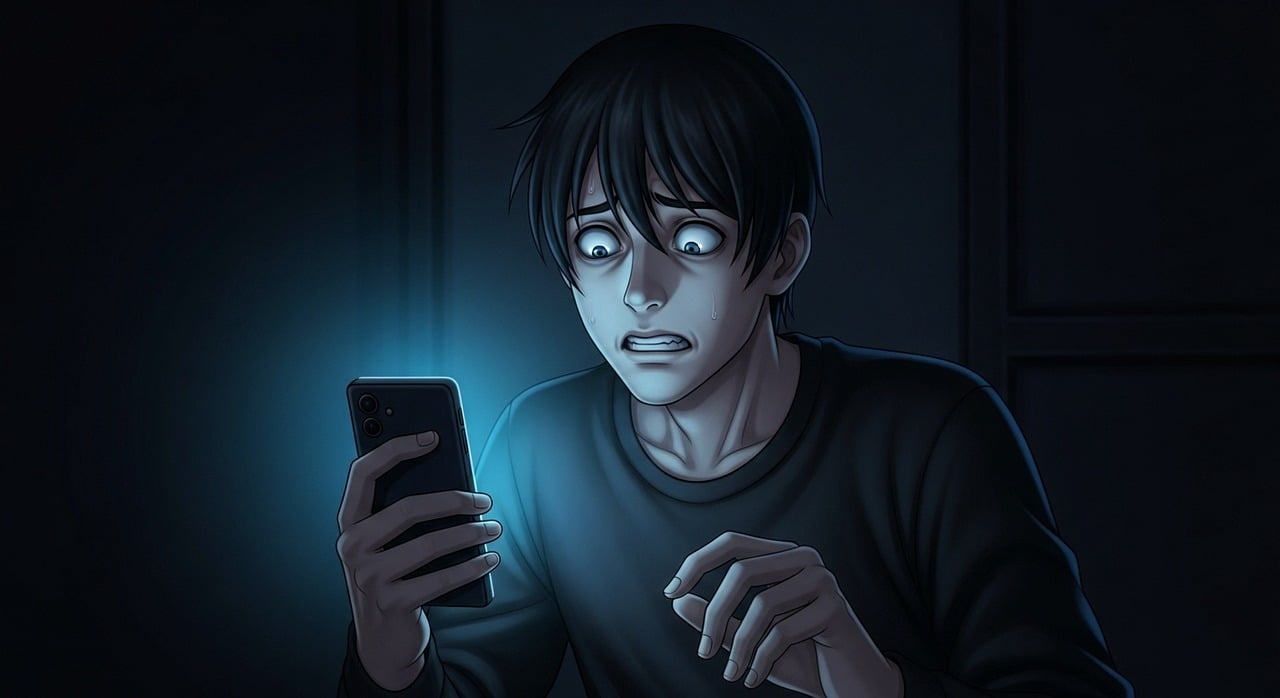


 Truth2Freedom's Blog